Bladderwrack (Fucus vesiculosus) is a brown seaweed long used in coastal folk medicine, mostly known for its iodine content and traditional ties to thyroid support. In the last several years, a separate line of research has opened up around a different part of the plant: the polysaccharides (fucoidan) and polyphenols (phlorotannins) it contains, and what they do when they reach the colon.
This research is almost entirely preclinical, meaning it comes from animal models, isolated bacterial cultures, or in vitro fermentation systems that simulate the human colon rather than from trials in living people eating bladderwrack. That is an important distinction, and this article treats it as one. What follows is a plain look at the proposed mechanisms, what has actually been measured, and where the evidence stops.
Key Takeaways
- Bladderwrack’s polysaccharides and phlorotannins are fermented by gut bacteria in laboratory models, although phlorotannins were only partly stable through simulated digestion [1][2]
- Fermentation of fucoidan’s component sugar, fucose, changes short-chain fatty acid and hydrogen sulfide production through bacterial cross-feeding [3]
- Animal studies link Fucus vesiculosus polysaccharide to gut microbiota remodeling alongside metabolic changes in diabetes and atherosclerosis models [4][5]
- Several other brown seaweeds (kelp, wakame, Himanthalia, Laminaria) show similar in vitro prebiotic-like fermentation, so this isn’t unique to bladderwrack [6][7][8]
- All of this evidence is preclinical (in vitro or animal); no human trials measuring gut microbiome outcomes from bladderwrack supplementation are included here
What's in bladderwrack that could affect gut bacteria
Two compound classes get most of the research attention: fucoidan, a sulfated polysaccharide built partly from fucose sugars, and phlorotannins, a class of seaweed-specific polyphenols. Neither is broken down efficiently by human digestive enzymes in the small intestine, so both travel largely intact into the colon, where resident bacteria can ferment them.
A 2024 structural study characterized a fucoidan fraction isolated from Fucus vesiculosus and ran it through in vitro human fecal fermentation, confirming that this specific polysaccharide is fermentable by gut bacteria and produces measurable shifts in the microbial community during the process [1]. This kind of structural work matters because fucoidan is not one single molecule, its size, sulfation pattern, and sugar composition vary by extraction method and harvest, which affects how it behaves once bacteria get hold of it.

Fermentation products: short-chain fatty acids and fucose cross-feeding
When gut bacteria ferment fiber-like compounds, one of the main outputs is short-chain fatty acids (SCFAs) such as acetate, propionate, and butyrate, molecules that feed colon cells and are associated with gut barrier and metabolic health. Fucoidan’s backbone sugar, fucose, has been studied directly for this reason. Research on fucose fermentation found it alters SCFA and hydrogen sulfide production through changes in cross-feeding activity between different bacterial species, meaning one microbe’s fucose breakdown products become fuel for another’s metabolism, reshaping the overall fermentation output of the community [3].
This cross-feeding detail is worth sitting with: it means fucoidan’s effect on the gut isn’t just ‘more fiber in, more SCFA out.’ The specific sugar structure changes which bacteria benefit and what byproducts result, including hydrogen sulfide, which is not automatically good or bad but is itself an active gut signaling molecule at different concentrations.

Effects on gut bacterial composition
A 2021 study looked specifically at phlorotannin extracts from Fucus vesiculosus and their impact on human gut microbiota, finding measurable changes in bacterial populations when the extract was introduced to gut microbial samples [2]. This is one of the few studies to isolate the polyphenol fraction specifically, rather than testing whole seaweed or crude extract, which helps clarify that phlorotannins (not just fucoidan) are bioactive at the microbiome level.

In an animal model of metabolic disease, Fucus vesiculosus polysaccharide was shown to remodel gut microbiota composition alongside changes in glycolipid metabolism gene expression, in the context of type 2 diabetes in rats [4]. And a 2026 rabbit study combining fucoidan with the cholesterol drug simvastatin found modulation of both gut microbiota and its metabolites alongside changes in atherosclerosis markers, suggesting a possible bacterial-metabolic link, though this was tested as a combination therapy, not fucoidan alone [5].
How bladderwrack compares to other seaweeds studied for prebiotic effects
Bladderwrack isn’t the only brown seaweed under this kind of scrutiny, and the comparative literature helps put its findings in context. In vitro colonic fermentation models have tested Saccharina japonica and Undaria pinnatifida and found prebiotic-like fermentation patterns [6], Himanthalia elongata showed a similar potential prebiotic effect in a distal colon model [7], and a polysaccharide-rich extract from Irish-sourced Laminaria digitata was shown to shift both the composition and metabolic activity of human gut microbiota in a colonic model [8].
A 2026 mouse study also tested a combined Fucus and kelp prebiotic supplement in a model of induced inflammation and found effects on the gut microbiome [9]. Together, these studies suggest that fermentable polysaccharides across several brown seaweed species, not uniquely bladderwrack, share some prebiotic-like fermentation behavior in laboratory models. That pattern is scientifically interesting, but it also means bladderwrack should be understood as one example within a seaweed-wide phenomenon, not a uniquely potent single ingredient. Sea moss is held to the same evidence standard in our review of its carrageenan-family polysaccharides and the microbiome.
What this research does and doesn't tell us
None of the studies cited here are human clinical trials of bladderwrack supplementation measuring real-world digestive symptoms, stool markers, or disease outcomes in people. They are in vitro fermentation models, isolated compound studies, or animal models, useful for identifying mechanisms and generating hypotheses, but not proof that taking a bladderwrack supplement will change a person’s gut microbiome in a specific, predictable, or beneficial way.
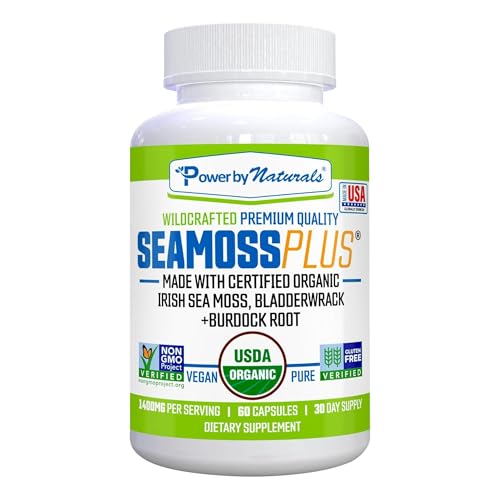
The gap between ‘this polysaccharide is fermented by gut bacteria in a test tube’ and ‘this supplement improved my digestion’ is exactly where marketing claims tend to outrun the evidence. The mechanistic story, fermentable fiber-like compounds reaching the colon and altering bacterial composition and SCFA output, is plausible and consistently observed across models. Whether that translates into a noticeable, reproducible benefit for an individual taking a store-bought bladderwrack capsule is not something this evidence base can answer yet.

🛒 Where to Buy Sea Moss & Bladderwrack
- CleanseParasites Intra-Cellular Superfood Editor’s Pick
Contains sea moss and bladderwrack alongside black cumin seed and other superfood ingredients. - American Standard Supplements Organic Sea Moss, Bladderwrack & Burdock Root Capsules
capsules, 1200mg sea moss / 1200mg bladderwrack / 225mg burdock root per serving, 120 capsules — High-dose transparent-label blend, vegan, non-GMO, made in USA; clearly stated per-ingredient milligrams rather than a proprietary blend - Secret Element Sea Moss Capsules with Burdock Root, Bladderwrack & Muira Puama
capsules, 120 capsules — Budget-friendly 4-ingredient blend, gluten-free, made in USA - Nutrivein Organic Sea Moss 1600mg with Bladderwrack & Burdock
capsules, 1600mg sea moss per serving plus bladderwrack and burdock — Widely available mid-tier brand, marketed for immune/digestive/thyroid/skin support claims
As an Amazon Associate we earn from qualifying purchases. Quality varies widely — always choose a product with a published third-party test (COA) before buying.

A Note on the Evidence
This summary reflects preclinical (in vitro and animal) research; no human trials measuring gut microbiome changes from bladderwrack supplementation are included, so any real-world effect in people remains unconfirmed. Bladderwrack’s iodine content can affect thyroid function, so anyone with thyroid conditions, who is pregnant, or taking thyroid medication should talk to a doctor before use, and these statements have not been evaluated by the FDA; this is not medical advice.
Frequently Asked Questions
Does bladderwrack act as a prebiotic in the human gut?
Laboratory fermentation studies suggest its fucoidan and phlorotannin content can be broken down by gut bacteria and shift bacterial populations and fermentation byproducts [1][2]. This has not been confirmed in human feeding trials, so it’s accurate to call this preclinical evidence of prebiotic-like behavior, not a proven human effect.
What are the main gut-active compounds in bladderwrack?
The two most-studied are fucoidan, a sulfated polysaccharide, and phlorotannins, a seaweed polyphenol class. Both resist digestion in the small intestine and are fermented by colonic bacteria [1][2].
Can bladderwrack affect short-chain fatty acid production?
Research on fucose, a key sugar in fucoidan’s structure, shows it changes short-chain fatty acid and hydrogen sulfide output through shifts in bacterial cross-feeding [3]. This is mechanistic evidence from fermentation research, not a measured outcome in people taking bladderwrack.

Is bladderwrack's gut effect unique compared to other seaweeds?
No. Similar prebiotic-like fermentation has been documented in vitro for kelp species, wakame, Himanthalia elongata, and Laminaria digitata, and a mouse study of processed Laminaria and Fucus supplements reported restored gut microbiome composition in mice with induced inflammation [6][7][8][9]. Bladderwrack fits a broader pattern seen across brown seaweeds rather than standing apart as exceptional.
Has bladderwrack's effect on the gut been tested in humans?
Not directly for whole supplementation. The phlorotannin study used human gut microbiota samples in a lab setting [2], and other studies used in vitro human fecal fermentation models [1][8][7][6], but none tracked people taking bladderwrack supplements over time.
Does bladderwrack's gut research relate to its thyroid effects?
No, they are separate lines of evidence. Bladderwrack’s thyroid effects relate to its iodine content, while the gut microbiome research discussed here concerns fucoidan and phlorotannin fermentation, a distinct mechanism unrelated to iodine or thyroid hormone.
References
- Jia RB et al. Structural characterization and human gut microbiota fermentation in vitro of a polysaccharide from Fucus vesiculosus. International journal of biological macromolecules (2024). PMID 38914394
- Catarino MD et al. Impact of Phlorotannin Extracts from Fucus vesiculosus on Human Gut Microbiota. Marine drugs (2021). PMID 34209623
- Høgsgaard K et al. Fucose modifies short chain fatty acid and H2S formation through alterations of microbial cross-feeding activities. FEMS microbiology ecology (2023). PMID 37777844
- Zheng Q et al. Fucus vesiculosus polysaccharide alleviates type 2 diabetes in rats via remodeling gut microbiota and regulating glycolipid metabolism-related gene expression. International journal of biological macromolecules (2023). PMID 37625739
- Liu FY et al. Fucus vesiculosus fucoidan alone and in combination with simvastatin is associated with both alleviation of atherosclerosis and modulations in the gut microbiota and its metabolites in New Zealand rabbits. Frontiers in microbiology (2026). PMID 42395903
- Lopez-Santamarina A et al. Potential prebiotic effect of two Atlantic whole brown seaweeds, Saccharina japonica and Undaria pinnatifida, using in vitro simulation of distal colonic fermentation. Frontiers in nutrition (2023). PMID 37125043
- Lopez-Santamarina A et al. Evaluation of the potential prebiotic effect of Himanthalia elongata, an Atlantic brown seaweed, in an in vitro model of the human distal colon. Food research international (Ottawa, Ont.) (2022). PMID 35651022
- Strain CR et al. Effects of a polysaccharide-rich extract derived from Irish-sourced Laminaria digitata on the composition and metabolic activity of the human gut microbiota using an in vitro colonic model. European journal of nutrition (2020). PMID 30805695
- Khitrov AA et al. Effect of a Combination of Prebiotic Supplements Based on Fucus and Kelp on the Gut Microbiome of Mice with Induced Inflammation. Microorganisms (2026). PMID 41900352
These statements have not been evaluated by the Food and Drug Administration. This information is not intended to diagnose, treat, cure, or prevent any disease. Content is for informational purposes only and is not medical advice; consult a qualified healthcare provider before starting any supplement. As an Amazon Associate we earn from qualifying purchases.
