Sea moss (Chondrus crispus), bladderwrack (Fucus vesiculosus), and burdock root (Arctium lappa) are three botanicals that have been used traditionally in various cultures for their nutrient density and purported health-supporting properties. When combined in a supplement blend, they are marketed to provide a broad spectrum of minerals, polysaccharides, and phytochemicals.
This guide explains how these ingredients are sourced, what to consider when evaluating product quality, and who might need to exercise caution. The information is presented for educational purposes only and does not constitute medical advice.
Key Takeaways
- Sea moss, bladderwrack, and burdock root blends provide a mix of marine minerals, polysaccharides, and plant‑based fiber, but nutrient levels vary naturally.
- Iodine content in bladderwrack is the most variable component and can pose risks for thyroid health if consumed in excess.
- Prioritize products that offer transparent sourcing, third‑party testing for heavy metals and potency, and clear labeling of iodine per serving.
- Begin with a low serving size to gauge tolerance, especially if you are new to seaweed supplements or have underlying health conditions.
- Consult a qualified healthcare practitioner before use if you have thyroid disease, are pregnant or nursing, or take prescription medications.
Understanding the Three Ingredients
Sea moss is a red algae harvested from Atlantic coastlines. It is valued for its carrageenan polysaccharides and a range of trace minerals such as magnesium, calcium, and potassium. Bladderwrack is a brown seaweed known primarily for its natural iodine content, which varies widely depending on harvest location and season [1]. Burdock root is a terrestrial plant whose root contains inulin, a prebiotic fiber, and phenolic compounds like chlorogenic acid.
When these three are blended, the intention is to combine marine-derived minerals and polysaccharides with the fiber and phytochemical profile of burdock root. The blend is typically offered in powder, capsule, or gel form, and manufacturers often highlight the combined mineral density as a selling point.

Nutrient Profile and Iodine Variability
The mineral content of sea moss and bladderwrack reflects the seawater in which they grow, leading to natural variation in levels of iodine, iron, zinc, and selenium. Burdock root contributes little iodine but adds dietary fiber and modest amounts of potassium and vitamin B6. Because iodine is essential for thyroid hormone synthesis, the bladderwrack component is often the focus of attention regarding thyroid support.
However, the iodine concentration in bladderwrack can range from low to potentially excessive. Consuming too much iodine may disrupt thyroid function, especially in individuals with underlying thyroid conditions, those who are pregnant, or people taking levothyroxine [2]. Therefore, checking the label for iodine content per serving and choosing products that provide third‑party testing results is advisable.
Evaluating Product Quality and Safety
Quality begins with sourcing. Wild‑crafted sea moss and bladderwrack can absorb heavy metals such as arsenic, lead, and cadmium from contaminated waters [3]. Reputable suppliers will provide certificates of analysis (CoA) showing that heavy‑metal levels are below established safety limits. Look for brands that disclose the harvest region and processing methods.
Additionally, the blend should be free of unnecessary fillers, artificial colors, or allergens unless clearly labeled. Third‑party testing for potency (e.g., polysaccharide content) and purity adds confidence that what is on the label matches what is in the container. Some companies also offer batch‑specific QR codes linking to test results.

Forms, Dosage, and Usage Tips
Sea moss/bladderwrack/burdock root blends are commonly sold as dried powders that can be mixed into smoothies, juices, or water; as capsules for convenient dosing; or as pre‑made gels that are ready to eat. The powder form allows flexibility in adjusting serving size, while capsules provide a standardized amount per dose.

There is no universally established dosage for this blend because research on the combined product is limited. Manufacturers often suggest a serving size based on the amount of sea moss or bladderwrack used in traditional preparations—typically ranging from 1 to 3 grams of dried seaweed per day. Starting with a lower amount and observing how your body responds is a prudent approach, especially if you have not consumed seaweed supplements before.
Who Should Exercise Caution and Potential Interactions
Individuals with thyroid disorders (such as Hashimoto’s thyroiditis or Graves’ disease), those who are pregnant or breastfeeding, and anyone taking prescription thyroid medication should consult a healthcare provider before using a bladderwrack‑containing product due to its iodine variability. People with known allergies to seafood or seaweed should also avoid these blends.
Because bladderwrack may interact with medications that affect thyroid function, and because high iodine intake can influence the efficacy of drugs like amiodarone or lithium, a medical professional can help assess risk. Additionally, the high fiber content from burdock root may affect the absorption of certain oral medications if taken simultaneously; spacing doses by a few hours can mitigate this concern.
🛒 Where to Buy Sea Moss & Bladderwrack
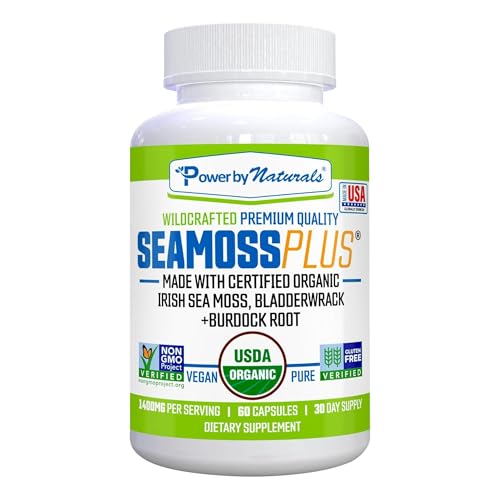
- CleanseParasites Intra-Cellular Superfood Editor’s Pick
Contains sea moss and bladderwrack alongside black cumin seed and other superfood ingredients. - American Standard Supplements Organic Sea Moss, Bladderwrack & Burdock Root Capsules
capsules, 1200mg sea moss / 1200mg bladderwrack / 225mg burdock root per serving, 120 capsules — High-dose transparent-label blend, vegan, non-GMO, made in USA; clearly stated per-ingredient milligrams rather than a proprietary blend - Secret Element Sea Moss Capsules with Burdock Root, Bladderwrack & Muira Puama
capsules, 120 capsules — Budget-friendly 4-ingredient blend, gluten-free, made in USA - Nutrivein Organic Sea Moss 1600mg with Bladderwrack & Burdock
capsules, 1600mg sea moss per serving plus bladderwrack and burdock — Widely available mid-tier brand, marketed for immune/digestive/thyroid/skin support claims
As an Amazon Associate we earn from qualifying purchases. Quality varies widely — always choose a product with a published third-party test (COA) before buying.
A Note on the Evidence
This information is educational only and not a substitute for professional medical advice. Individuals with thyroid conditions, pregnant or nursing women, and those on prescription medications should consult a healthcare provider before using sea moss, bladderwrack, and burdock root blends.
Frequently Asked Questions
What is the main reason bladderwrack is included in these blends?
Bladderwrack is added primarily for its natural iodine content, which is essential for thyroid hormone production. However, the iodine level can vary greatly between batches, so checking product‑specific information is important.
Can taking this blend cause heavy‑metal exposure?
Wild‑crafted seaweeds can absorb heavy metals from polluted waters. Choosing products that provide third‑party test results showing arsenic, lead, and cadmium levels below safety limits reduces this risk.
Is there a standard daily dose for the blend?
No universally accepted dose exists because clinical research on the combined product is limited. Manufacturers often suggest 1–3 grams of dried seaweed per day, but starting with a smaller amount and observing tolerance is advisable.


Should I avoid the blend if I am taking levothyroxine?
Because bladderwrack supplies iodine, which can affect thyroid hormone levels, individuals on levothyroxine should speak with their doctor before adding the blend to avoid potential interference with medication efficacy.
Does the blend provide probiotic benefits?
Burdock root contains inulin, a prebiotic fiber that may support beneficial gut bacteria, but the blend is not a probiotic itself. Any gut‑related effects would stem from its fiber and polysaccharide content rather than live microorganisms.
Are there any known interactions with blood thinners?
There is no strong evidence of direct interaction between these seaweeds and common anticoagulants like warfarin. However, because the blends can affect mineral balance and gastrointestinal transit, discussing use with a healthcare provider is wise if you take prescription medications.
References
- Roleda MY et al. Iodine content in bulk biomass of wild-harvested and cultivated edible seaweeds: inherent variations determine species-specific daily allowable consumption. Food Chemistry (2018). PMID 29548461
- Sohn SY et al. Risks of iodine excess. Endocrine Reviews (2024). PMID 38870258
- Phaneuf D et al. Evaluation of the contamination of marine algae (seaweed) from the St. Lawrence River and likely to be consumed by humans. Environmental Research (1999). PMID 10092431
These statements have not been evaluated by the Food and Drug Administration. This information is not intended to diagnose, treat, cure, or prevent any disease. Content is for informational purposes only and is not medical advice; consult a qualified healthcare provider before starting any supplement. As an Amazon Associate we earn from qualifying purchases.
