Sea moss (Chondrus crispus, also called Irish moss) has become a popular joint-pain remedy on social media, often marketed alongside claims that it can “melt away” inflammation or replace anti-inflammatory medication. The reality is more modest and more interesting: sea moss is the natural source of carrageenan, a sulfated polysaccharide that scientists have studied for its effects on inflammatory pathways, and it sits in a broader family of red, green, and brown seaweeds whose compounds (fucoidans, lectins, agglutinins, phytoprostanes) have shown anti-inflammatory activity in lab and animal models.
That said, almost none of the research below tested sea moss itself, or tested it in people with joint pain. Most of it comes from cell cultures, rat and zebrafish models, and other seaweed species in the same broader group. This article lays out honestly what’s known, what’s plausible but unproven, and what a reasonable person should keep in mind before relying on sea moss for joint or inflammatory symptoms.
Key Takeaways
- Sea moss (Chondrus crispus) is the source of carrageenan, which researchers actually use to induce joint and tissue inflammation in lab models, not something with a settled anti-inflammatory profile in humans [1]
- Fucoidan, the seaweed compound with the most direct osteoarthritis-related lab research, comes from brown seaweed (like bladderwrack), not from red sea moss itself [2]
- Several rat studies show seaweed-derived lectins and polysaccharides reduce joint inflammation and pain, but these used different species (Caulerpa, Solieria, Hypnea) in controlled animal models, not sea moss in humans [3] [4] [5]
- No study on this list is a human clinical trial testing sea moss for joint pain or arthritis
- If trying sea moss, treat it as a mineral-dense food with early-stage, indirect evidence for inflammation-related biology, not a proven joint treatment
Why people connect sea moss to joint health in the first place
The logic behind sea moss for joints usually goes: seaweeds are rich in polysaccharides and minerals, some of those compounds have anti-inflammatory activity in lab studies, and inflammation is a driver of joint pain, so sea moss should help joints. Each link in that chain has some scientific basis, but the chain as a whole hasn’t been tested end-to-end in humans with arthritis or joint pain.

What is true is that sea moss itself is the classic source of carrageenan, a sulfated polysaccharide extracted from red seaweeds. Carrageenan is actually best known in research circles as the substance used to deliberately induce inflammation in animal models, including in joint tissue, precisely because it reliably triggers an inflammatory response that researchers can then study and try to block with other compounds [1]. That dual identity, inflammation-inducer in the lab and folk anti-inflammatory in wellness culture, is worth sitting with before assuming sea moss straightforwardly calms joint inflammation.
What's actually been studied: fucoidans and osteoarthritis
The most directly relevant evidence involves fucoidan, a sulfated polysaccharide found in brown seaweeds (like bladderwrack, not sea moss, which is a red seaweed). A 2022 in vitro study examined crude fucoidan extracts from brown seaweed in the context of osteoarthritis, evaluating their potential therapeutic activity on joint-relevant cell models [2]. This is a laboratory (cell-based) study, not a clinical trial in patients, and it used brown seaweed fucoidan specifically, not the red seaweed carrageenan that defines sea moss.
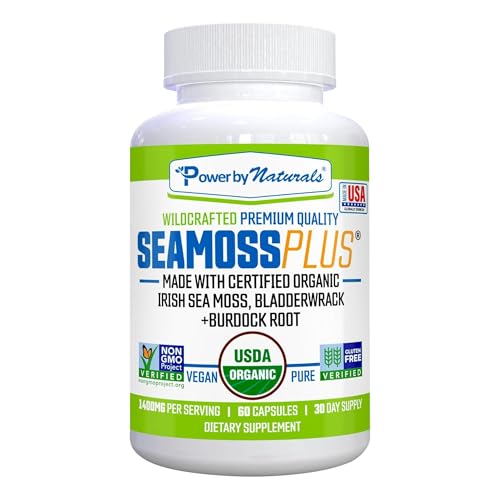
This distinction matters for consumers: many commercial “sea moss” products are actually blends that include bladderwrack, so a product labeled sea moss may contain some fucoidan-bearing brown seaweed alongside true Chondrus crispus. If a specific joint benefit exists, it’s more plausibly tied to the fucoidan-containing brown seaweed component than to red sea moss itself.

Animal studies on seaweed compounds and joint pain
Several rodent studies have tested seaweed-derived compounds directly in models of joint pain and arthritis, though none used Chondrus crispus. A lectin fraction isolated from the green seaweed Caulerpa cupressoides reduced inflammatory pain behaviors in the temporomandibular joint (jaw joint) of rats, with effects traced to peripheral (local) mechanisms rather than central nervous system action [3]. A related study found that a sulfated polysaccharide from the red seaweed Solieria filiformis reduced temporomandibular joint pain in rats partly through the central opioid system [4].

More recently, an agglutinin (a lectin-like protein) from the red seaweed Hypnea cervicornis was shown to reduce inflammation in a rat model of zymosan-induced arthritis, with the effect linked to changes in macrophage activity, the immune cells that help drive joint inflammation [5]. These are all legitimate, peer-reviewed findings, but they involve specific isolated compounds from specific seaweed species, administered in controlled rat models, not sea moss extract given orally to people with arthritis. Extrapolating from “a purified lectin from a different seaweed species reduced rat jaw pain” to “eating sea moss gel will help your knees” is a leap the evidence doesn’t support yet.
Broader anti-inflammatory and cardiometabolic evidence for seaweed and algae
Zooming out from joints specifically, there’s a wider literature on seaweed and algae compounds affecting inflammation and cardiometabolic markers more generally. An umbrella review of systematic reviews and meta-analyses looked at algae and algae-extract supplementation across multiple health outcomes, giving a broad (though mixed-quality) picture of what algae supplementation has and hasn’t been shown to do [6]. Seaweeds have also been reviewed for cardiovascular benefits tied to their nutrient content [7], and specific extracts have shown anti-inflammatory activity in endothelial (blood vessel lining) cells, for example phytoprostanes and phytofurans from the red seaweed Gracilaria longissima [8].
Other work has looked at gut-level inflammation: exosome-like nanoparticles derived from Sargassum fusiforme (a brown seaweed) suppressed a well-known inflammatory signaling pathway (TLR4/MyD88/NF-κB) and altered gut microbiota in a colitis model [9], and dietary Caulerpa racemosa improved cardiometabolic markers and the gut microbiome in mice [10]. These findings support the general idea that seaweed compounds can modulate inflammatory signaling somewhere in the body, but again, none of this is sea moss specifically, and none of it is a joint-pain trial in humans.
The mineral-and-mucosal angle: a different mechanism, unrelated to joints
Sea moss is often marketed as a mineral powerhouse (calcium, magnesium, iodine, and others), and one line of research does support a mineral-related biological effect, just not on joints. A study using human colon tissue in organ culture found that calcium combined with a multi-mineral mixture influenced mucosal cell differentiation in the colon [11]. That’s a finding about gut lining biology, not joint tissue, and it doesn’t establish that sea moss’s mineral content reaches or affects joints in any meaningful way when consumed as food or supplement.

It’s worth being honest that this study gets cited in sea moss marketing more for its “minerals do something in the body” flavor than because it has any direct bearing on joint inflammation.
What this means if you're considering sea moss for joint pain
Put together, the evidence shows that isolated compounds from various seaweeds, including species related to but distinct from sea moss, have measurable anti-inflammatory and pain-modulating effects in cell and animal models. That’s a legitimate area of pharmacological research. What doesn’t exist yet is a human clinical trial showing that eating or drinking sea moss reduces joint pain, stiffness, or arthritis symptoms in people. Anyone deciding whether to try sea moss for joints should weigh the folk tradition and preliminary lab science against the total absence of direct human evidence, and treat marketing claims of guaranteed joint relief with real skepticism.

🛒 Where to Buy Sea Moss & Bladderwrack
- CleanseParasites Intra-Cellular Superfood Editor’s Pick
Contains sea moss and bladderwrack alongside black cumin seed and other superfood ingredients. - American Standard Supplements Organic Sea Moss, Bladderwrack & Burdock Root Capsules
capsules, 1200mg sea moss / 1200mg bladderwrack / 225mg burdock root per serving, 120 capsules — High-dose transparent-label blend, vegan, non-GMO, made in USA; clearly stated per-ingredient milligrams rather than a proprietary blend - Secret Element Sea Moss Capsules with Burdock Root, Bladderwrack & Muira Puama
capsules, 120 capsules — Budget-friendly 4-ingredient blend, gluten-free, made in USA - Nutrivein Organic Sea Moss 1600mg with Bladderwrack & Burdock
capsules, 1600mg sea moss per serving plus bladderwrack and burdock — Widely available mid-tier brand, marketed for immune/digestive/thyroid/skin support claims
As an Amazon Associate we earn from qualifying purchases. Quality varies widely — always choose a product with a published third-party test (COA) before buying.

A Note on the Evidence
Most of the research cited here comes from cell cultures, rat models, or zebrafish, using seaweed species and isolated compounds other than sea moss itself, not human clinical trials on joint pain; sea moss and bladderwrack supplements are also unstandardized, with variable iodine content (a thyroid risk) and potential heavy metal contamination depending on sourcing. This article is informational, not medical advice, and the FDA has not evaluated these products for treating any disease. Talk to a doctor before using sea moss for joint pain, especially if you have thyroid disease, are pregnant, or take thyroid medication.
Frequently Asked Questions
Does sea moss reduce joint inflammation in humans?
There’s no published human clinical trial testing sea moss for joint inflammation or arthritis. The related lab and animal evidence involves other seaweed species and isolated compounds, not whole sea moss consumed by people [2].
Is carrageenan in sea moss good or bad for inflammation?
Carrageenan, the polysaccharide sea moss is known for, is actually the standard substance researchers use to trigger inflammation in animal studies so they can test other anti-inflammatory treatments against it [1]. That doesn’t mean dietary sea moss causes harmful inflammation in humans, but it undercuts the simple “sea moss is anti-inflammatory” narrative.
What's the difference between sea moss and bladderwrack for joint pain?
Sea moss (Chondrus crispus) is a red seaweed rich in carrageenan; bladderwrack (Fucus vesiculosus) is a brown seaweed rich in fucoidan. The one lab study most relevant to osteoarthritis tested fucoidan from brown seaweed, not sea moss’s carrageenan [2], and many commercial “sea moss” blends actually contain bladderwrack too.

Are there any animal studies on seaweed and joint pain?
Yes. Rat studies have found that a lectin from Caulerpa cupressoides reduced jaw joint inflammatory pain [3], a polysaccharide from Solieria filiformis reduced joint pain partly via opioid pathways [4], and an agglutinin from Hypnea cervicornis reduced arthritis inflammation through effects on macrophages [5]. None of these used sea moss specifically.

Can sea moss cause problems if I have a thyroid condition and I'm using it for joints?
Yes, this is a real concern separate from joint claims. Sea moss and especially bladderwrack blends contain variable, sometimes high amounts of iodine, which can worsen thyroid dysfunction, particularly for people with existing thyroid disease, those who are pregnant, or those on levothyroxine. This risk exists regardless of whether the product actually helps joints.
Should I take sea moss instead of my arthritis medication?
No. There is no clinical evidence that sea moss treats arthritis or replaces medical anti-inflammatory treatment. Anyone with diagnosed joint disease should continue prescribed treatment and discuss any supplement use with their doctor, especially given the unresolved iodine and heavy-metal contamination concerns in unregulated sea moss products.
References
- Charlie-Silva I et al. Plasma proteome responses in zebrafish following λ-carrageenan-Induced inflammation are mediated by PMN leukocytes and correlate highly with their human counterparts. Frontiers in immunology (2022). PMID 36248846
- Vaamonde-García C et al. In Vitro Study of the Therapeutic Potential of Brown Crude Fucoidans in Osteoarthritis Treatment. International journal of molecular sciences (2022). PMID 36430716
- Rivanor RLDC et al. A lectin fraction from green seaweed Caulerpa cupressoides inhibits inflammatory nociception in the temporomandibular joint of rats dependent from peripheral mechanisms. International journal of biological macromolecules (2018). PMID 29660457
- Araújo IW et al. Role of central opioid on the antinociceptive effect of sulfated polysaccharide from the red seaweed Solieria filiformis in induced temporomandibular joint pain. International immunopharmacology (2017). PMID 28107753
- da Silva Nascimento FG et al. Macrophage modulation accounts for the anti-inflammatory effect of Hypnea cervicornis agglutinin in rat arthritis induced by zymosan. Glycoconjugate journal (2026). PMID 42329431
- Wang C et al. Multiple health outcomes associated with algae and its extracts supplementation: An umbrella review of systematic reviews and meta-analyses. Phytotherapy research : PTR (2024). PMID 39161296
- Cardoso SM et al. Seaweeds as Preventive Agents for Cardiovascular Diseases: From Nutrients to Functional Foods. Marine drugs (2015). PMID 26569268
- Martínez Sánchez S et al. Bioavailable phytoprostanes and phytofurans from Gracilaria longissima have anti-inflammatory effects in endothelial cells. Food & function (2020). PMID 32432610
- Chang H et al. Sargassum fusiforme-derived Exosome-like Nanoparticles Suppress TLR4/MyD88/NF-κB Pathway to Alleviate Colitis via Modulating Gut Microbiota. Plant foods for human nutrition (Dordrecht, Netherlands) (2026). PMID 41526538
- Nurkolis F et al. Dietary Supplementation of Caulerpa racemosa Ameliorates Cardiometabolic Syndrome via Regulation of PRMT-1/DDAH/ADMA Pathway and Gut Microbiome in Mice. Nutrients (2023). PMID 36839268
- Dame MK et al. Human colon tissue in organ culture: calcium and multi-mineral-induced mucosal differentiation. In vitro cellular & developmental biology. Animal (2011). PMID 21104039
These statements have not been evaluated by the Food and Drug Administration. This information is not intended to diagnose, treat, cure, or prevent any disease. Content is for informational purposes only and is not medical advice; consult a qualified healthcare provider before starting any supplement. As an Amazon Associate we earn from qualifying purchases.
