Sea moss (Chondrus crispus, also called Irish moss) is one of the most heavily marketed “immune-boosting” foods online, often promoted alongside claims that it can prevent colds, fight infections, or supercharge the immune system within days. Some of this interest connects to real, active laboratory research: red seaweeds like sea moss contain sulfated polysaccharides (including carrageenans) and other bioactive compounds that scientists are studying for their effects on immune signaling, inflammation, and host defense.
But there is a meaningful gap between “a compound derived from this seaweed modulates immune cells in a lab model” and “eating sea moss gel boosts your immune system.” This article walks through what the evidence actually shows, where it comes from (cell studies, invertebrate and animal models, some human-relevant mechanistic work), and where the marketing outpaces the science. This is educational information, not medical advice.
Key Takeaways
- Sea moss’s sulfated polysaccharides are biologically active in lab, gut-microbiota, and simple-organism models, but this is not the same as proven human immune benefits [1] [2].
- Related red seaweed compounds have shown both anti-inflammatory (suppressing immune cell migration or T-cell activation) and immune-stimulant effects depending on the specific molecule, so “boosts immunity” oversimplifies a nuanced picture [3] [4].
- Much of the direct sea moss immune research is in C. elegans, mussels, and other non-human models; no cited study is a human clinical trial on cold/flu prevention [2] [5].
- Not every study mentioning Chondrus crispus is relevant to immunity or even to human health, some are unrelated biotech or industrial research [6].
- The FDA has not evaluated sea moss products for treating, curing, or preventing any disease, and quality/contamination varies by source and processing.
What's Actually in Sea Moss That Might Affect Immunity
Sea moss is a red seaweed rich in sulfated polysaccharides, a family that includes carrageenan and related carbohydrate structures. These large molecules are structurally distinct from the simple sugars in most foods, and researchers have long been interested in whether their sulfation pattern and molecular weight influence immune cell behavior. Reviews of red seaweed proteins and carbohydrates have summarized proposed effects on gut function and the microbiota, since much of what sea moss polysaccharide does may happen at the level of the gut lining and resident bacteria rather than through direct action on circulating immune cells [1].

Separately, carrageenans and porphyran (a related red-algae polysaccharide) have been studied for a broader range of bioactivities, including anti-cancer mechanisms in preclinical models, which speaks to the general immunomodulatory and cell-signaling potential of this polysaccharide family rather than any specific human health claim [7].
Direct Immune Research on Chondrus crispus (Sea Moss Specifically)
Most of the immune-specific research using sea moss itself, as opposed to seaweed polysaccharides broadly, comes from invertebrate and marine-animal models rather than humans. In the roundworm Caenorhabditis elegans, a common model organism for studying innate immune pathways, components of cultivated Chondrus crispus enhanced resistance to the pathogen Pseudomonas aeruginosa, and this effect was traced to specific stress-response and immune signaling pathways (pmk-1, daf-2/daf-16, and skn-1) [2]. A related study found that red seaweeds including Chondrus crispus down-regulated virulence factors in Salmonella Enteritidis while also inducing immune responses in C. elegans, suggesting a dual effect on both the pathogen and the host’s defenses in that model [8].
In shellfish, sulfated polysaccharides extracted from Irish moss were shown to have immune-stimulant activity in mussels (Mytilus spp.), a finding relevant to aquaculture research rather than human supplementation, but it demonstrates that these specific sea moss compounds are biologically active on immune-related endpoints in a living organism [5]. Separately, carrageenans from a related Chondrus species (Chondrus armatus) and their lower molecular weight breakdown products were evaluated for immunological effects, adding to evidence that molecular weight and processing may change how these polysaccharides interact with immune tissue [9]. None of these are human clinical trials, and effects seen in worms, mussels, or isolated cell/tissue systems do not automatically translate to a meaningful immune benefit from eating sea moss gel or gummies.


Broader Red Seaweed Research: Inflammation and Immune Cell Signaling
Beyond sea moss specifically, other red seaweeds provide useful context for how this class of polysaccharides might interact with the immune system. A sulfated polysaccharide fraction from the red alga Hypnea musciformis showed an anti-inflammatory effect in a laboratory model by suppressing neutrophil migration through a nitric oxide signaling pathway, meaning it reduced how immune cells called neutrophils moved toward a site of inflammation [3]. In a different red seaweed, a sulfated oligosaccharide from Gracilaria lemaneiformis was found to modulate “type 1 immunity” by restraining T cell activation, which is a mechanism more relevant to calming an overactive immune response (as in autoimmune or allergic contexts) than to “boosting” immunity against infection [4].
This is an important nuance: the available research on red seaweed polysaccharides more often points toward immune modulation, sometimes dampening inflammatory or T-cell responses, rather than a simple stimulant effect that would justify claims like “sea moss supercharges your immune system.” Broader reviews of algal polysaccharides have also examined their potential in cancer prevention and therapy through mechanisms that intersect with immune and cell-signaling pathways, again underscoring that this research is about specific molecular mechanisms in preclinical models, not a validated human immune-support supplement claim [10].
Where the Research Doesn't Reach: Inflammation, Skin, and Pain
Some marketing for sea moss draws on adjacent seaweed research about inflammation and skin conditions to imply broad “whole-body wellness” and immune benefits. For example, a review on seaweed’s roles in atopic dermatitis discusses how various seaweed-derived compounds may influence skin barrier function and inflammatory pathways relevant to eczema [11], and marine algal antioxidants have been reviewed for their therapeutic potential in pain alleviation [12]. These are legitimate, active areas of marine bioactive research, but they are about specific conditions (skin inflammation, pain signaling) studied with particular seaweed-derived compounds, not evidence that sea moss protects you from getting sick or shortens a cold.
It’s also worth noting that some sea moss research literature includes work that has nothing to do with immunity at all, such as biotechnology studies optimizing production of a Chondrus crispus enzyme (hexose oxidase) in yeast for industrial or laboratory use [6]. This kind of citation sometimes appears in marketing content simply because it mentions Chondrus crispus by name, not because it supports any immune claim, a good example of why it matters to check what a cited study actually measured.
What This Means for Immune Health Claims Around Sea Moss
Put together, the evidence shows that sea moss and related red seaweeds contain sulfated polysaccharides that are biologically active in laboratory, invertebrate, and animal-adjacent research: they can influence gut-related immune function [1], activate specific stress and immune pathways in simple organisms [2] [8], show immune-stimulant activity in shellfish [5], and in related seaweed species, modulate inflammation and T-cell activity in ways that could go either “up” or “down” depending on the specific compound and context [3] [4]. This is a genuinely interesting area of marine bioactive research.

What the evidence does not show is a human clinical trial demonstrating that eating sea moss reduces cold frequency, shortens illness duration, or otherwise “boosts immunity” in people. Claims sold on social media typically extrapolate directly from petri-dish or worm-model findings to human outcomes, a leap the underlying science does not support. Honest framing is that sea moss provides trace minerals and unique polysaccharides that are actively being studied, not a proven immune-boosting remedy.
🛒 Where to Buy Sea Moss & Bladderwrack

- CleanseParasites Intra-Cellular Superfood Editor’s Pick
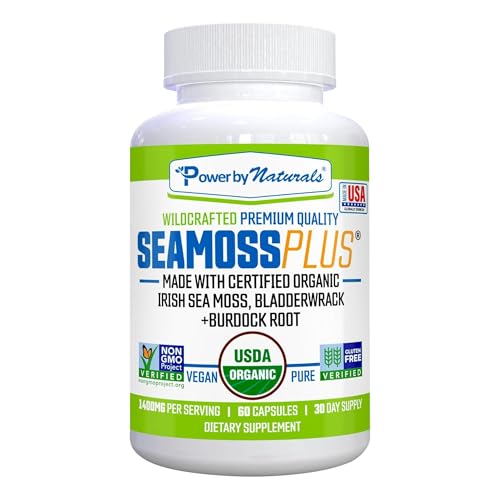
Contains sea moss and bladderwrack alongside black cumin seed and other superfood ingredients. - American Standard Supplements Organic Sea Moss, Bladderwrack & Burdock Root Capsules
capsules, 1200mg sea moss / 1200mg bladderwrack / 225mg burdock root per serving, 120 capsules — High-dose transparent-label blend, vegan, non-GMO, made in USA; clearly stated per-ingredient milligrams rather than a proprietary blend - Secret Element Sea Moss Capsules with Burdock Root, Bladderwrack & Muira Puama
capsules, 120 capsules — Budget-friendly 4-ingredient blend, gluten-free, made in USA - Nutrivein Organic Sea Moss 1600mg with Bladderwrack & Burdock
capsules, 1600mg sea moss per serving plus bladderwrack and burdock — Widely available mid-tier brand, marketed for immune/digestive/thyroid/skin support claims
As an Amazon Associate we earn from qualifying purchases. Quality varies widely — always choose a product with a published third-party test (COA) before buying.
A Note on the Evidence
The immune-related evidence for sea moss comes mainly from cell, invertebrate, and animal-adjacent studies, not human clinical trials, so claims of immune-boosting benefits in people are not established. Sea moss products are not standardized, iodine content can trigger or worsen thyroid problems (especially with existing thyroid conditions, pregnancy, or levothyroxine use), and unregulated products can carry heavy metal contamination risk; talk to a doctor before regular use, particularly if you have a thyroid condition.
Frequently Asked Questions
Does sea moss actually boost the immune system?
There is no human clinical trial evidence that sea moss boosts immunity or prevents illness. Laboratory and invertebrate model research shows its polysaccharides can activate specific immune-related pathways [2] and show immune-stimulant activity in shellfish [5], but this doesn’t confirm a meaningful effect in people.

What compounds in sea moss are researchers studying for immune effects?
Sulfated polysaccharides, including carrageenan-family compounds, are the main focus. Research has looked at their effects on gut function and microbiota [1] and on immune signaling pathways in model organisms [2] [8].
Can seaweed polysaccharides calm an overactive immune response instead of boosting it?
Yes, this is an underappreciated finding. A sulfated oligosaccharide from a related red seaweed was shown to restrain T cell activation [4], and another red seaweed polysaccharide suppressed inflammatory neutrophil migration [3], both examples of immune modulation rather than simple stimulation.
Is sea moss linked to skin or inflammation benefits?
Broader seaweed research has examined roles in atopic dermatitis and skin inflammation [11] and marine algal antioxidants for pain [12], but these findings involve specific compounds and conditions and shouldn’t be generalized into a blanket immune-support claim for sea moss supplements.

Are there safety concerns with sea moss supplements?
Yes. Sea moss can contain naturally occurring iodine that varies widely by source, which matters for thyroid function, and unregulated or wildcrafted products carry a risk of heavy metal contamination depending on harvest waters and processing. This is separate from the immune-support question but relevant to overall safety.
Should I take sea moss instead of getting a flu shot or seeing a doctor for recurring illness?
No. There is no evidence sea moss substitutes for established preventive care. Frequent illness, recurring infections, or thyroid symptoms should be evaluated by a healthcare provider rather than addressed with a seaweed supplement.

References
- Cian RE et al. Proteins and Carbohydrates from Red Seaweeds: Evidence for Beneficial Effects on Gut Function and Microbiota. Marine drugs (2015). PMID 26308006
- Liu J et al. Components of the cultivated red seaweed Chondrus crispus enhance the immune response of Caenorhabditis elegans to Pseudomonas aeruginosa through the pmk-1, daf-2/daf-16, and skn-1 pathways. Applied and environmental microbiology (2013). PMID 24056462
- de Brito TV et al. Anti-inflammatory effect of a sulphated polysaccharide fraction extracted from the red algae Hypnea musciformis via the suppression of neutrophil migration by the nitric oxide signalling pathway. The Journal of pharmacy and pharmacology (2013). PMID 23600390
- Liu Q et al. Sulfate oligosaccharide of Gracilaria lemaneiformis modulates type 1 immunity by restraining T cell activation. Carbohydrate polymers (2022). PMID 35450639
- Rudtanatip T et al. Assessment of the effects of sulfated polysaccharides extracted from the red seaweed Irish moss Chondrus crispus on the immune-stimulant activity in mussels Mytilus spp. Fish & shellfish immunology (2018). PMID 29438847
- Wolff AM et al. Optimization of the production of Chondrus crispus hexose oxidase in Pichia pastoris. Protein expression and purification (2001). PMID 11437594
- Liu Z et al. Anti-Cancer Activity of Porphyran and Carrageenan from Red Seaweeds. Molecules (Basel, Switzerland) (2019). PMID 31775255
- Kulshreshtha G et al. Red Seaweeds Sarcodiotheca gaudichaudii and Chondrus crispus down Regulate Virulence Factors of Salmonella Enteritidis and Induce Immune Responses in Caenorhabditis elegans. Frontiers in microbiology (2016). PMID 27065981
- Cicinskas E et al. Immunological effects of Chondrus armatus carrageenans and their low molecular weight degradation products. Journal of biomedical materials research. Part A (2021). PMID 32985066
- Sajadimajd S et al. Molecular Mechanisms Underlying Cancer Preventive and Therapeutic Potential of Algal Polysaccharides. Current pharmaceutical design (2019). PMID 31465281
- Kim AR et al. The Beneficial Roles of Seaweed in Atopic Dermatitis. Marine drugs (2024). PMID 39728140
- Belda-Antolí M et al. From Sea to Relief: The Therapeutic Potential of Marine Algal Antioxidants in Pain Alleviation. Marine drugs (2025). PMID 40710495
These statements have not been evaluated by the Food and Drug Administration. This information is not intended to diagnose, treat, cure, or prevent any disease. Content is for informational purposes only and is not medical advice; consult a qualified healthcare provider before starting any supplement. As an Amazon Associate we earn from qualifying purchases.
