Sea moss and ashwagandha are two popular natural products that appear in many wellness conversations, yet they belong to very different categories and are used for distinct purposes. Sea moss, a type of red algae, is valued for its mineral content and gel-like texture, while ashwagandha is an adaptogenic herb rooted in Ayurvedic tradition.
This article explains what each is, how they are traditionally used, what their main active components are, and where scientific research stands today. The goal is to clarify differences so you can decide which might fit your needs, always keeping in mind that supplements are not substitutes for medical advice.
Key Takeaways
- Sea moss is a marine algae valued for its mineral content and gel-forming polysaccharides, while ashwagandha is a terrestrial herb known for its withanolide compounds and adaptogenic reputation.
- Traditional uses differ: sea moss is often used as a nutritional thickener and topical hydrator; ashwagandha is used to support stress resilience and vitality.
- Scientific evidence for both is limited; most claims are based on traditional use, nutrient analysis, or preliminary studies rather than robust human trials.
- Quality and sourcing matter greatly—sea moss can carry variable iodine and potential contaminants, and ashwagandha extracts differ in withanolide concentration.
- If you have a thyroid condition, are pregnant, nursing, or take prescription medications, discuss any new supplement with a qualified healthcare professional before starting.
What Is Sea Moss?
Sea moss most often refers to Chondrus crispus, a red algae that grows along the rocky Atlantic coasts of Europe and North America. It is harvested, cleaned, and either dried or turned into a gel for consumption. Historically, it has been used as a thickening agent in foods and as a folk remedy in Irish and Caribbean cultures.
Its composition includes a variety of polysaccharides (notably carrageenan), trace minerals such as iodine, magnesium, calcium, and potassium, as well as small amounts of vitamins and amino acids. Because it absorbs substances from its growing environment, the mineral and contaminant profile can vary widely between batches.
What Is Ashwagandha?
Ashwagandha (Withania somnifera) is a small shrub native to India, the Middle East, and parts of Africa. The root and leaf extracts have been used for centuries in Ayurvedic medicine as an adaptogen, a substance thought to help the body cope with stress.

Its phytochemical profile features withanolides (steroid lactones), alkaloids, and sitoindosides. These compounds are believed to interact with various physiological pathways, although the exact mechanisms remain under investigation.
Traditional and Contemporary Uses
Sea moss has traditionally been consumed for its supposed nutritional boost, particularly in communities where fresh produce is limited. It is also used externally in skincare for its hydrating gel properties. In modern markets, it appears in smoothies, capsules, and topical gels.
Ashwagandha has been used to support vitality, promote relaxation, and aid sleep. Today, it is commonly found in capsule, powder, or tincture form, often marketed for stress management, energy, and cognitive support.
Key Nutrients and Active Compounds
The main appeal of sea moss lies in its mineral density and polysaccharide content. Carrageenan, a sulfated polysaccharide, contributes to its gel-forming ability and has been studied in food science for its thickening properties. Iodine levels can be high, which is relevant for thyroid function but also poses a risk of excess intake.

Ashwagandha’s activity is attributed primarily to withanolides such as withaferin A and withanolide D. These molecules are being explored in laboratory settings for their effects on cellular stress pathways, but human data remain limited and varied.

What the Research Says (and Doesn’t Say)
Scientific investigation of sea moss is mostly focused on its polysaccharide extracts for food technology and potential prebiotic effects. Human trials specifically examining health outcomes from consuming whole sea moss are scarce[1], and most claims about thyroid support or gut health rely on indirect evidence from its nutrient profile.
For ashwagandha, a number of small clinical trials have looked at outcomes such as stress scores, cortisol levels, and sleep quality. Results are promising but often come from studies with limited sample sizes, short durations, or specific populations, making it difficult to draw broad conclusions. A 2025 systematic review and meta-analysis of that literature (seven randomized trials for cortisol, six for perceived stress, 488 participants in total) separates the two outcomes: cortisol fell significantly (-1.16 µg/dL, 95% CI -1.64 to -0.69), while self-reported perceived stress did not change significantly (SMD -0.355, 95% CI -1.188 to 0.47, p = 0.40).[2]
Safety, Quality, and Considerations
Because sea moss is harvested from the ocean, its safety profile depends heavily on the cleanliness of the harvest waters. Contaminants such as heavy metals (arsenic, lead, cadmium) can accumulate, and iodine content can vary to levels that may affect thyroid function, especially in individuals with existing thyroid disease or those taking medication.
Ashwagandha is generally well tolerated in moderate doses, but some people report gastrointestinal upset, drowsiness, or interactions with medications that affect thyroid hormone, blood sugar, or immune function. Pregnant or breastfeeding individuals should consult a healthcare provider before use.
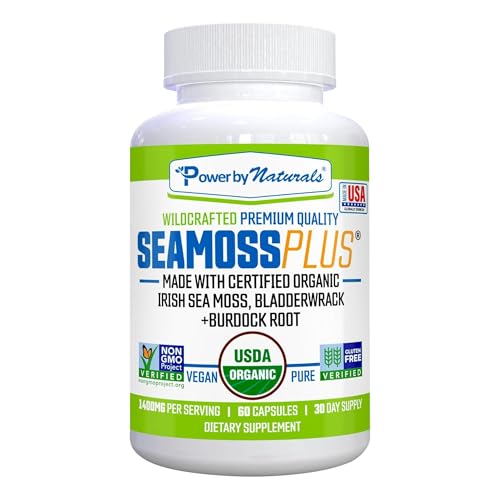
🛒 Where to Buy Sea Moss & Bladderwrack
- CleanseParasites Intra-Cellular Superfood Editor’s Pick
Contains sea moss and bladderwrack alongside black cumin seed and other superfood ingredients. - American Standard Supplements Organic Sea Moss, Bladderwrack & Burdock Root Capsules
capsules, 1200mg sea moss / 1200mg bladderwrack / 225mg burdock root per serving, 120 capsules — High-dose transparent-label blend, vegan, non-GMO, made in USA; clearly stated per-ingredient milligrams rather than a proprietary blend - Secret Element Sea Moss Capsules with Burdock Root, Bladderwrack & Muira Puama
capsules, 120 capsules — Budget-friendly 4-ingredient blend, gluten-free, made in USA - Nutrivein Organic Sea Moss 1600mg with Bladderwrack & Burdock
capsules, 1600mg sea moss per serving plus bladderwrack and burdock — Widely available mid-tier brand, marketed for immune/digestive/thyroid/skin support claims
As an Amazon Associate we earn from qualifying purchases. Quality varies widely — always choose a product with a published third-party test (COA) before buying.
A Note on the Evidence
This overview is for informational purposes only and does not constitute medical advice. Evidence for health benefits of sea moss and ashwagandha is limited, and individual responses can vary; consult a qualified healthcare professional before beginning any new supplement regimen.
Frequently Asked Questions
What is the main difference between sea moss and ashwagandha?
Sea moss is a type of red algae that provides minerals and polysaccharides, whereas ashwagandha is a land‑based herb whose active components are withanolides. They belong to different biological kingdoms and are used for different traditional purposes.
Can sea moss help with thyroid function?
Sea moss contains iodine, which is necessary for thyroid hormone production, but the amount varies widely and excessive intake can worsen thyroid dysfunction. There is insufficient clinical evidence to recommend sea moss as a thyroid treatment.

Does ashwagandha reduce stress?
Some small studies have reported improvements in stress‑related scores and cortisol levels after ashwagandha supplementation, but the research is not yet large or consistent enough to guarantee this effect for everyone.
Is it safe to take sea moss and ashwagandha together?
There are no known direct interactions between the two, but each carries its own considerations—iodine load from sea moss and possible hormonal effects from ashwagandha. Consulting a healthcare provider is advisable, especially if you have health conditions or take medications.

How should I choose a quality sea moss product?
Look for brands that provide third‑party testing for heavy metals and iodine content, and that disclose the harvest location. Wild‑crafted moss from polluted waters may pose safety risks.
What should I look for in an ashwagandha supplement?
Choose products that specify the percentage of withanolides, use standardized root extract, and have been tested for contaminants. Avoid proprietary blends that do not disclose exact amounts.
References
- Lopez-Santamarina A et al. Modulatory effects of red seaweeds (Palmaria palmata, Porphyra umbilicalis and Chondrus crispus) on the human gut microbiota via an in vitro model. Food chemistry (2025). PMID 39987804
- Albalawi AA. Dual impact of Ashwagandha: Significant cortisol reduction but no effects on perceived stress – A systematic review and meta-analysis. Nutrition and health (2025). PMID 40746175
These statements have not been evaluated by the Food and Drug Administration. This information is not intended to diagnose, treat, cure, or prevent any disease. Content is for informational purposes only and is not medical advice; consult a qualified healthcare provider before starting any supplement. As an Amazon Associate we earn from qualifying purchases.
