Sea moss has become a popular add-in for smoothies and gut-health routines, often marketed alongside claims that it supports thyroid function. But for the estimated millions of people taking levothyroxine or other thyroid medications, seaweed is not a neutral ingredient. Its variable iodine content and fiber-like polysaccharides can both interfere with how well thyroid medication works.
This article looks at two distinct interaction pathways: iodine overload affecting thyroid hormone production itself, and physical interference with drug absorption in the gut, similar to documented interactions with other high-fiber or high-protein supplements. Neither pathway means sea moss is automatically dangerous, but both mean timing and dosing awareness matter more than wellness marketing usually acknowledges.
Key Takeaways
- Sea moss and bladderwrack contain variable, often high amounts of iodine, which can disrupt thyroid hormone balance in people already on thyroid medication [1][2]
- Sea moss fiber may interfere with levothyroxine absorption the same way soy fiber and protein supplements have been documented to, requiring dose separation [3]
- Pregnant, postpartum, and older adults face additional iodine sensitivity and should be especially cautious [4][5]
- Bariatric surgery does not appear to change iodine absorption itself, so the same precautions apply to that group [6]
- Always separate sea moss from thyroid medication by several hours and get a TSH recheck after starting, rather than assuming it’s automatically safe
Why Sea Moss Is Not a Neutral Ingredient for Thyroid Patients
Sea moss (Chondrus crispus) and its more iodine-dense relative bladderwrack (Fucus vesiculosus) are seaweeds, and seaweeds concentrate iodine from seawater at levels that vary enormously by species, harvest location, and processing method. Iodine is not incidental to thyroid function, it is the core raw material the thyroid gland uses to build thyroid hormone. Nutrition reviews on thyroid health consistently flag iodine, along with selenium and vitamin D, as central to both normal thyroid hormone synthesis and to autoimmune thyroid conditions like Hashimoto thyroiditis [1].
For someone with a healthy, unmedicated thyroid, modest iodine fluctuations are usually buffered by the body’s regulatory mechanisms. For someone on thyroid replacement or suppressive medication, the gland’s own feedback loops are already altered by the drug, which changes how added iodine behaves. A broader nutrition-focused review of thyroid function underscores that iodine intake needs to be considered in the context of overall diet and existing thyroid status, not treated as universally beneficial or universally safe [7].

Iodine Overload: How Sea Moss Can Push Thyroid Hormone Off Target
Because bladderwrack in particular can contain very high and inconsistent iodine concentrations, regularly consuming sea moss blends that include it can shift iodine intake from adequate to excessive. Reviews on Hashimoto thyroiditis note that both iodine deficiency and iodine excess can aggravate autoimmune thyroid disease, meaning more is not automatically better for patients already managing thyroid dysfunction [1]. A separate analysis of nutritional risk factors for Hashimoto’s similarly places iodine among the dietary variables most strongly associated with disease risk and progression [2].
The clinical concern is twofold. In someone whose thyroid is already underactive and medicated, a sudden iodine load can transiently alter hormone output in either direction, complicating dose stability. In someone with autoimmune thyroid disease, excess iodine has also been linked to flares in antibody activity, which is part of why endocrinology guidance urges caution with iodine supplementation in this population rather than open-ended encouragement [8]. Population-level data does show iodine repletion can have real metabolic benefits, such as improved cholesterol in iodine-deficient people [9], which illustrates that the direction of the effect depends heavily on someone’s baseline iodine status, not a blanket rule for or against seaweed.
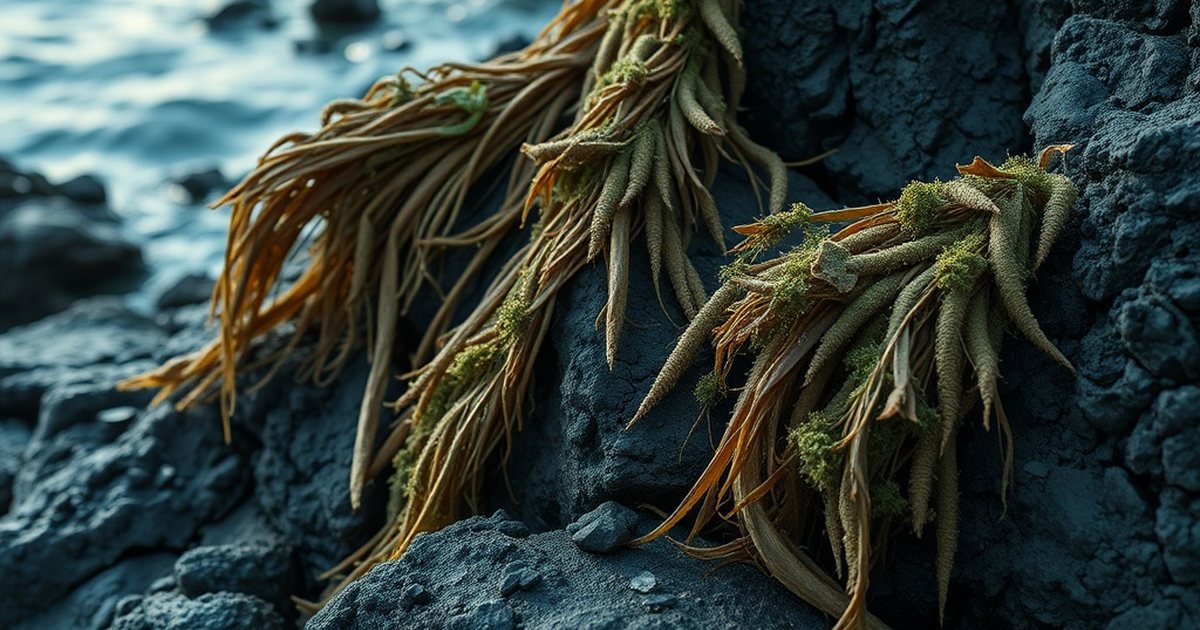
This context-dependence is echoed in broader reviews of diet and thyroid autoimmunity, and in updated treatment guidance for autoimmune thyroiditis, both of which treat iodine as a variable to individualize rather than a supplement to add reflexively [10][11].

The Absorption Problem: Sea Moss Fiber and Levothyroxine Timing
Separate from the iodine question, sea moss is rich in carrageenan-family polysaccharides and other gel-forming fibers, similar in mechanism to soy fiber and protein. There is direct clinical precedent for this type of interaction: a case report documented that adding a soy protein supplement to a patient’s routine created a measurable need to increase their levothyroxine dose, because the soy fiber and protein interfered with drug absorption in the gut [3].
Sea moss’s gel-like polysaccharides can plausibly behave the same way, binding to or slowing the absorption of levothyroxine if taken at the same time. Levothyroxine already has a narrow window for reliable absorption, which is why it is typically taken on an empty stomach, and any thick, fiber-rich supplement taken close to a dose has the potential to reduce how much medication actually reaches the bloodstream. This is a mechanical, not hormonal, interaction, but its practical effect on a person’s TSH levels can look identical to an underdosed prescription.
The Gut-Thyroid Connection Adds Another Layer
Beyond direct absorption interference, there is growing recognition that gut microbiota composition itself influences thyroid hormone metabolism and autoimmune thyroid risk, an emerging field sometimes called the gut-thyroid axis [12]. Sea moss is often marketed specifically for gut health, and while its fiber content may support microbiome diversity, this same review shows the gut-thyroid relationship is complex enough that changes in gut flora can, in principle, feed back into thyroid hormone regulation in ways that are not yet fully mapped for any single supplement.
This does not mean sea moss definitively disrupts the gut-thyroid axis for a person on medication. It means the interaction picture is not limited to iodine and absorption timing alone, and claims that seaweed straightforwardly improves thyroid health via gut effects are getting ahead of the current evidence [12].
Groups Who Should Be Especially Careful
Pregnant and postpartum people have unique iodine requirements, and thyroid hormone regulation shifts substantially during and after pregnancy, meaning an iodine-heavy supplement like bladderwrack-containing sea moss blends is a context where medical guidance matters more, not less [4]. Older adults are another group warranting extra caution: aging affects thyroid function and its regulation is influenced by a mix of nutritional, pharmacologic, and even microbial factors, meaning polypharmacy and baseline thyroid changes can compound the risk of an iodine or absorption interaction [5].
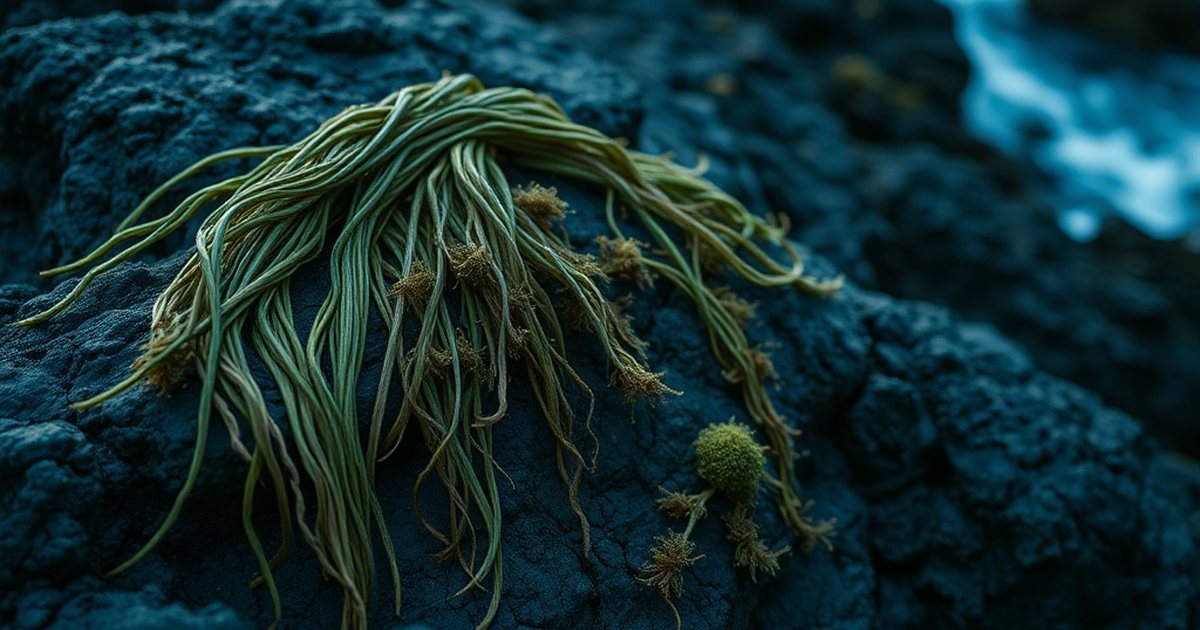
People who have had bariatric surgery are sometimes assumed to absorb iodine differently, but the limited evidence available suggests dietary iodine absorption is not meaningfully altered by malabsorptive bariatric procedures [6], meaning the primary risks for this group remain the same iodine-load and medication-timing issues that apply to everyone else, not a unique bariatric-specific mechanism.
Practical Steps to Reduce Interaction Risk
If you take levothyroxine or another thyroid medication and want to use sea moss, the two interaction pathways call for two different precautions. For the absorption issue, separate sea moss from your medication dose by at least four hours, mirroring the standard advice for other fiber and mineral supplements known to interfere with levothyroxine absorption [3]. For the iodine issue, check whether the product contains bladderwrack specifically, since it tends to carry substantially more iodine than Chondrus crispus sea moss alone, and avoid products that do not disclose iodine content per serving.

Most importantly, loop in your prescriber or endocrinologist before adding sea moss to a routine that includes thyroid medication, and ask for a follow-up TSH check within a few weeks of starting. Thyroid dose adjustments are usually made in small increments precisely because both hormone levels and iodine sensitivity vary person to person, and self-directed supplementation without monitoring removes the feedback loop that keeps dosing accurate.
🛒 Where to Buy Sea Moss & Bladderwrack
- CleanseParasites Intra-Cellular Superfood Editor’s Pick
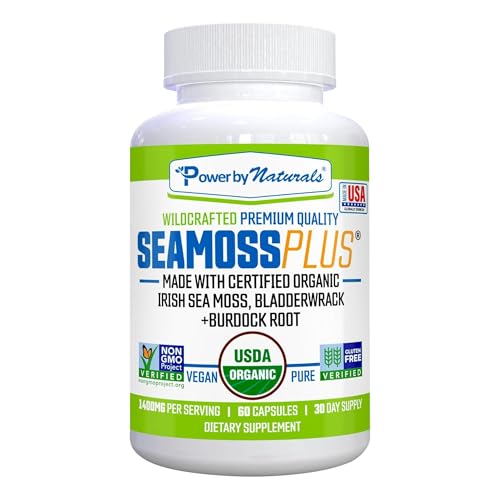
Contains sea moss and bladderwrack alongside black cumin seed and other superfood ingredients. - American Standard Supplements Organic Sea Moss, Bladderwrack & Burdock Root Capsules
capsules, 1200mg sea moss / 1200mg bladderwrack / 225mg burdock root per serving, 120 capsules — High-dose transparent-label blend, vegan, non-GMO, made in USA; clearly stated per-ingredient milligrams rather than a proprietary blend - Secret Element Sea Moss Capsules with Burdock Root, Bladderwrack & Muira Puama
capsules, 120 capsules — Budget-friendly 4-ingredient blend, gluten-free, made in USA - Nutrivein Organic Sea Moss 1600mg with Bladderwrack & Burdock
capsules, 1600mg sea moss per serving plus bladderwrack and burdock — Widely available mid-tier brand, marketed for immune/digestive/thyroid/skin support claims
As an Amazon Associate we earn from qualifying purchases. Quality varies widely — always choose a product with a published third-party test (COA) before buying.

A Note on the Evidence
This article is informational, not medical advice, and the FDA has not evaluated sea moss or bladderwrack products for treating, curing, or preventing any disease; because iodine content in these products is unstandardized and unregulated wildcrafted sea moss can carry heavy metal contamination risk, anyone on thyroid medication should consult their prescriber before use and get thyroid levels rechecked after starting.
Frequently Asked Questions
Can sea moss make my thyroid medication less effective?
Potentially yes, through two mechanisms: its fiber-like polysaccharides may interfere with levothyroxine absorption similar to documented soy supplement interactions [3], and its variable iodine content can independently shift thyroid hormone regulation [1].
Is bladderwrack riskier than plain sea moss for thyroid patients?
Bladderwrack tends to carry more concentrated and less predictable iodine levels than Chondrus crispus sea moss, and iodine excess has been linked to worsened autoimmune thyroid activity, so products containing bladderwrack warrant more caution [1][8].
How long should I wait between taking sea moss and my thyroid medication?
There isn’t seaweed-specific dosing research, but based on the precedent with other fiber and protein supplements that impaired levothyroxine absorption, a common practical approach is separating them by at least four hours [3].

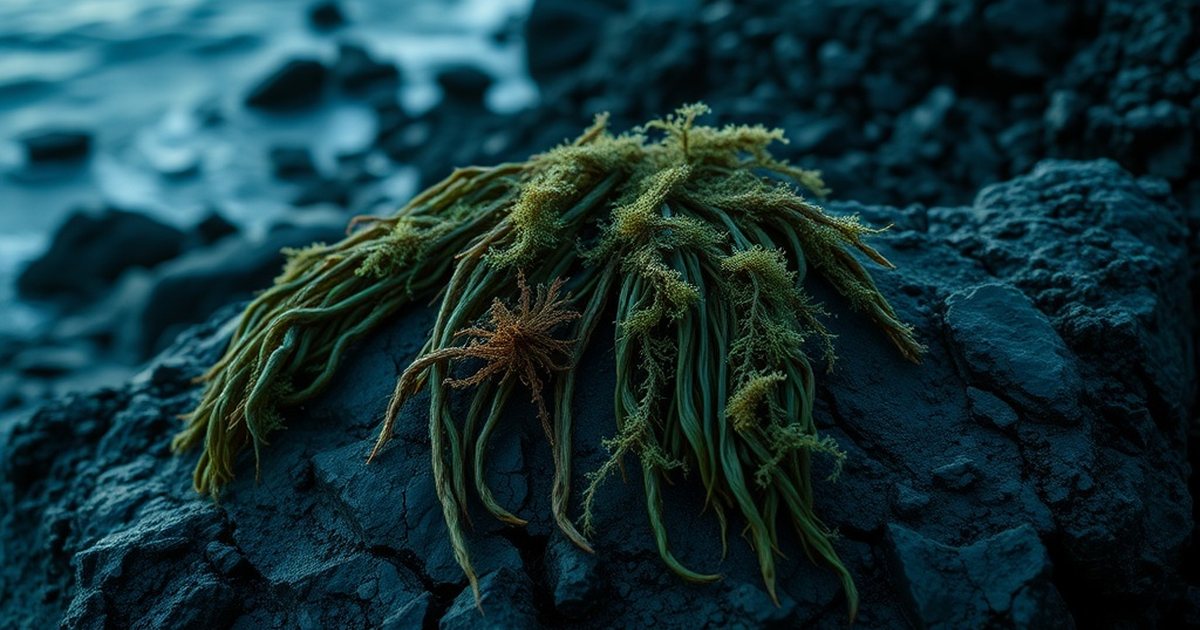
Does sea moss help thyroid function through gut health?
The gut-thyroid connection is a real and active area of research, but it’s early and complex, not a settled mechanism you can count on for thyroid support, and it does not override the direct iodine and absorption risks [12].
Is sea moss unsafe during pregnancy if I'm on thyroid medication?
Iodine needs and thyroid regulation both shift during pregnancy and postpartum, making this a period where iodine-containing supplements like sea moss need direct guidance from your prescriber rather than self-directed use [4].
Are older adults on thyroid medication more sensitive to sea moss?
Aging involves changes in thyroid regulation influenced by nutritional, pharmacologic, and microbial factors, so older adults on thyroid medication may be more sensitive to added iodine and should involve a physician before adding sea moss [5].
References
- Liontiris MI et al. A concise review of Hashimoto thyroiditis (HT) and the importance of iodine, selenium, vitamin D and gluten on the autoimmunity and dietary management of HT patients.Points that need more investigation. Hellenic journal of nuclear medicine (2017). PMID 28315909
- Hu S et al. Multiple Nutritional Factors and the Risk of Hashimoto's Thyroiditis. Thyroid : official journal of the American Thyroid Association (2017). PMID 28290237
- Bell DS et al. Use of soy protein supplement and resultant need for increased dose of levothyroxine. Endocrine practice : official journal of the American College of Endocrinology and the American Association of Clinical Endocrinologists (2001). PMID 11421567
- Pérez-López FR et al. Iodine and thyroid hormones during pregnancy and postpartum. Gynecological endocrinology : the official journal of the International Society of Gynecological Endocrinology (2007). PMID 17701774
- Zugravu CA et al. Iodine and Thyroid Dysfunction in Ageing: Nutritional, Pharmacologic, and Microbial Modifiers in Older Adults. Geriatrics (Basel, Switzerland) (2026). PMID 41718360
- Michalaki M et al. Dietary iodine absorption is not influenced by malabsorptive bariatric surgery. Obesity surgery (2014). PMID 24740595
- Shulhai AM et al. The Role of Nutrition on Thyroid Function. Nutrients (2024). PMID 39125376
- Rayman MP et al. Multiple nutritional factors and thyroid disease, with particular reference to autoimmune thyroid disease. The Proceedings of the Nutrition Society (2019). PMID 30208979
- Herter-Aeberli I et al. Iodine Supplementation Decreases Hypercholesterolemia in Iodine-Deficient, Overweight Women: A Randomized Controlled Trial. The Journal of nutrition (2015). PMID 26203098
- Larsen D et al. Thyroid, Diet, and Alternative Approaches. The Journal of clinical endocrinology and metabolism (2022). PMID 35952387
- Dyrka K et al. Autoimmune thyroiditis: an update on treatment possibilities. Endokrynologia Polska (2024). PMID 39475129
- Fröhlich E et al. Microbiota and Thyroid Interaction in Health and Disease. Trends in endocrinology and metabolism: TEM (2019). PMID 31257166
These statements have not been evaluated by the Food and Drug Administration. This information is not intended to diagnose, treat, cure, or prevent any disease. Content is for informational purposes only and is not medical advice; consult a qualified healthcare provider before starting any supplement. As an Amazon Associate we earn from qualifying purchases.
