Sea moss (Chondrus crispus, also called Irish moss) has become a wellness-aisle staple, often sold as a gel or capsule and marketed for thyroid support, gut health, and general mineral intake. It’s frequently blended with or confused for bladderwrack (Fucus vesiculosus), a brown seaweed with a much longer history of use in iodine-replacement remedies. Both are genuinely mineral-dense foods, but the same trait that makes them appealing, concentrated iodine, is also the trait that can cause thyroid problems, including goiter, in some people.
The core issue isn’t that seaweed is dangerous. It’s that iodine intake is a classic case of “the dose makes the poison,” and unregulated supplements make dosing unpredictable. This article looks at how excess iodine from sea moss or bladderwrack can disrupt thyroid function, who is most at risk, and what the actual case reports and research show, without the exaggerated cure-all claims common in social media.
Key Takeaways
- Sea moss and bladderwrack are naturally high in iodine, and excess iodine, not just deficiency, can cause thyroid dysfunction and goiter [1] [2]
- Published case reports link kelp tablets and kombu (related iodine-rich seaweeds) to hyperthyroidism and hypothyroidism in previously healthy people [3] [4] [5] [6] [7]
- Older adults, people with existing thyroid nodules or autoimmune thyroid disease, and those on thyroid medication appear to be at higher risk from iodine excess [8] [9]
- Iodine content in sea moss and bladderwrack products is not standardized, so dosing is unpredictable batch to batch
- Wildcrafted, untested sea moss also carries a separate heavy metal contamination risk depending on harvest waters
Why Iodine-Rich Seaweed Can Affect the Thyroid
The thyroid gland uses iodine as a raw material to build thyroid hormone, and for decades iodine deficiency was the world’s leading cause of goiter and hypothyroidism [10]. Seaweeds like bladderwrack and sea moss evolved in seawater and concentrate iodine far beyond levels found in most land foods, which is exactly why they were historically used to treat deficiency-related goiter.
But the thyroid’s response to iodine isn’t linear. Below a certain intake, more iodine helps. Above it, the gland can no longer regulate hormone production normally, and excess iodine itself becomes a trigger for dysfunction, including both hyperthyroidism and hypothyroidism depending on the person and their baseline thyroid status [1] [2]. A seaweed product that supplies unpredictable, sometimes very high, amounts of iodine per serving can push susceptible people across that threshold without any warning on the label.

Goiter From Too Much Iodine, Not Just Too Little
Goiter, an enlarged thyroid gland, is usually associated with iodine deficiency, but excess iodine can also cause the thyroid to enlarge or malfunction as it tries to adapt to a sudden oversupply [1] [9]. This is sometimes called the iodine-induced Wolff-Chaikoff effect: the gland temporarily shuts down hormone production in response to a large iodine load, and in some people this adaptation fails, leading to either hypothyroidism or a compensatory goiter.
One frequently cited case involved a patient who developed iodine-induced hypothyroidism after eating confectionery made with kombu (a related iodine-rich seaweed) during a period of disordered eating, illustrating how a seemingly “healthy” seaweed food can push intake far past what the thyroid can absorb without malfunction [11].
Case Reports: Kelp, Kombu, and Seaweed Supplements Triggering Thyroid Dysfunction
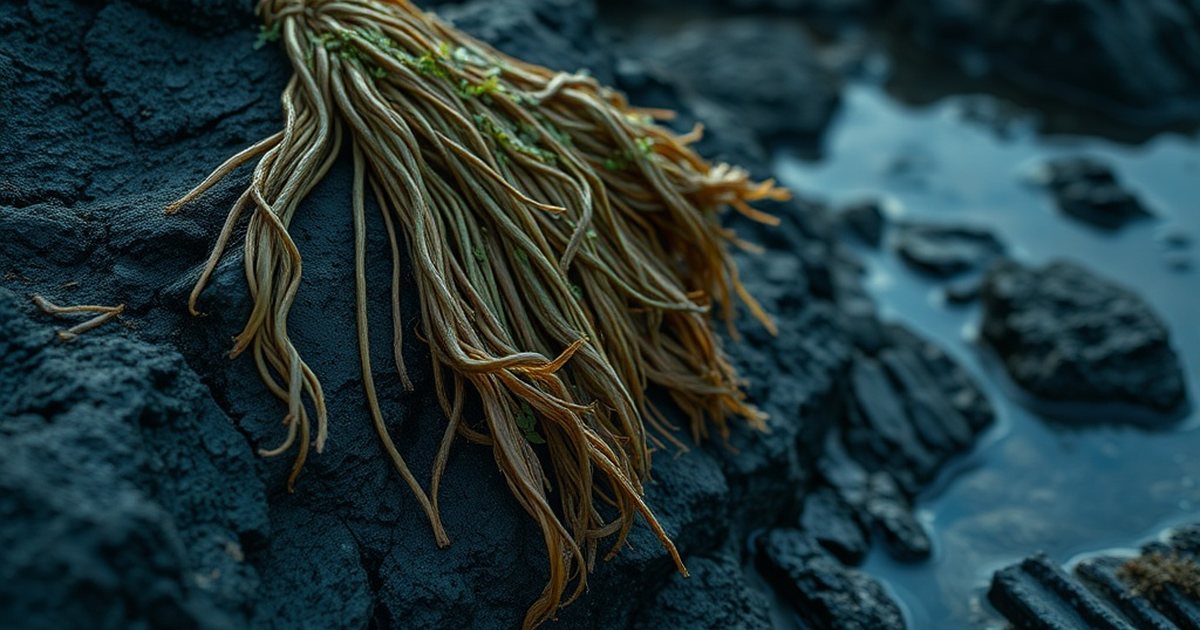
Sea moss itself has less seaweed-specific clinical documentation than its relatives, but the broader brown-seaweed and kelp-supplement literature is instructive because these products share the same iodine-overload mechanism. Multiple published case reports describe hyperthyroidism developing in patients taking kelp tablets, including in people with previously normal thyroid function [3] [4] [5] [6].
Similarly, case reports describe transient thyrotoxicosis (an acute excess of thyroid hormone) after consuming Japanese kombu, another iodine-dense seaweed commonly used in broths and snacks [7]. These aren’t rare exotic reactions; they represent a well-documented pattern where an iodine-rich seaweed, taken as a supplement or food, is enough on its own to destabilize thyroid function in susceptible individuals.

Because bladderwrack and sea moss belong to the same iodine-concentrating category of seaweed, and are frequently sold in similar unregulated capsule and gel forms, there’s no biological reason to assume they’re exempt from this risk, even though the specific published case reports focus on kelp and kombu rather than sea moss by name.
Who Is Most at Risk
Iodine excess doesn’t affect everyone the same way. Research shows older adults are a particularly vulnerable group, with iodine excess linked to a higher rate of thyroid dysfunction in elderly populations [8]. People with pre-existing thyroid nodules, a history of autoimmune thyroid disease, or those already on levothyroxine are also more susceptible to iodine-triggered flares, since their thyroid regulation is already less resilient to a large iodine load [9].
There’s also a specific autoimmune angle: excess iodine and other nutritional factors have been studied as contributors to the risk of Hashimoto’s thyroiditis, an autoimmune condition that causes underactive thyroid function [12]. For someone with an undiagnosed autoimmune predisposition, a high-iodine seaweed regimen could plausibly act as one of several triggering factors rather than a neutral “natural” supplement.
The Sourcing and Dosing Problem
Unlike iodized salt or a standardized levothyroxine tablet, sea moss and bladderwrack products are not standardized for iodine content. Iodine levels vary by species, harvest location, season, and processing method, meaning two jars of “sea moss gel” from different brands (or even different batches of the same brand) can deliver very different iodine doses. This unpredictability is precisely the mechanism behind the case reports above: patients weren’t intentionally megadosing iodine, they were taking a supplement whose actual iodine content they had no way of knowing [1].
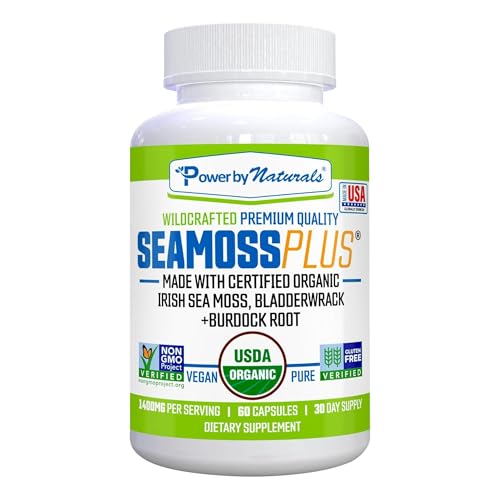
Wildcrafted sea moss carries an additional, separate risk unrelated to iodine: because it’s harvested directly from coastal waters, it can also absorb heavy metals such as arsenic, lead, and cadmium depending on water quality and processing, which is a contamination issue rather than a thyroid one but underscores the same underlying problem, an unregulated product with no guarantee of consistent, tested content.
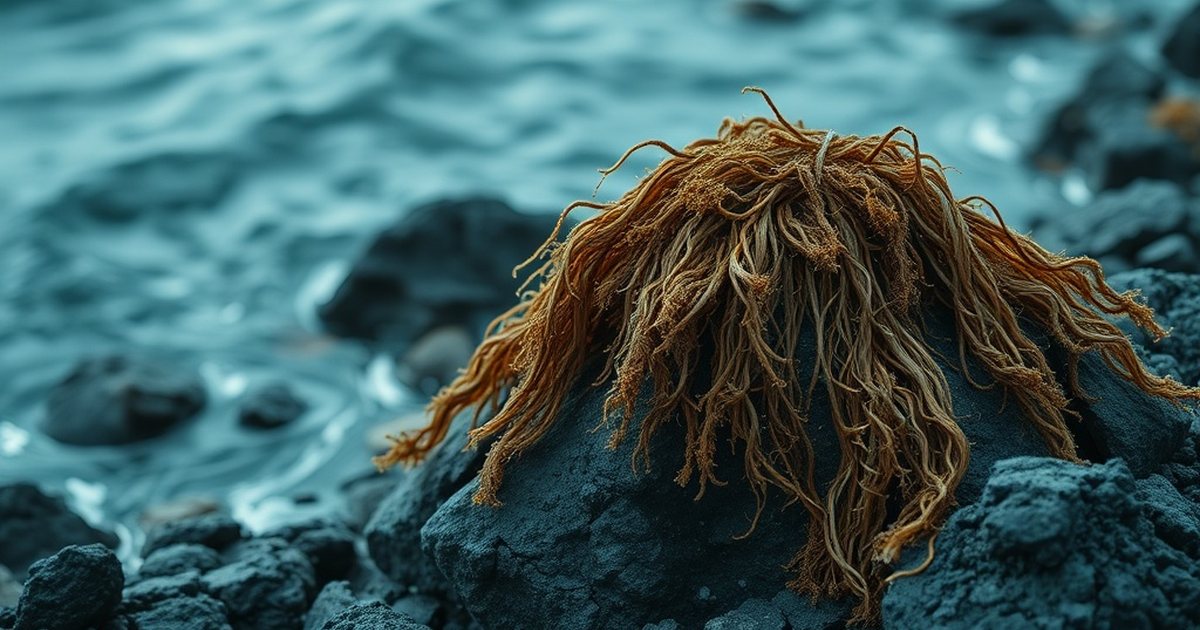
🛒 Where to Buy Sea Moss & Bladderwrack
- CleanseParasites Intra-Cellular Superfood Editor’s Pick
Contains sea moss and bladderwrack alongside black cumin seed and other superfood ingredients. - American Standard Supplements Organic Sea Moss, Bladderwrack & Burdock Root Capsules
capsules, 1200mg sea moss / 1200mg bladderwrack / 225mg burdock root per serving, 120 capsules — High-dose transparent-label blend, vegan, non-GMO, made in USA; clearly stated per-ingredient milligrams rather than a proprietary blend - Secret Element Sea Moss Capsules with Burdock Root, Bladderwrack & Muira Puama
capsules, 120 capsules — Budget-friendly 4-ingredient blend, gluten-free, made in USA - Nutrivein Organic Sea Moss 1600mg with Bladderwrack & Burdock
capsules, 1600mg sea moss per serving plus bladderwrack and burdock — Widely available mid-tier brand, marketed for immune/digestive/thyroid/skin support claims
As an Amazon Associate we earn from qualifying purchases. Quality varies widely — always choose a product with a published third-party test (COA) before buying.

A Note on the Evidence
Most of the direct clinical evidence on seaweed-induced thyroid dysfunction comes from case reports involving kelp and kombu rather than sea moss specifically, so some of this risk is inferred from a closely related iodine-rich seaweed category. Anyone with a thyroid condition, who is pregnant, or who takes thyroid medication should talk to a doctor before using sea moss or bladderwrack regularly; this article is informational and not a substitute for medical advice.
Frequently Asked Questions
Can sea moss cause a goiter?
It’s possible. While iodine deficiency is the classic cause of goiter, excess iodine intake, which sea moss can supply in unpredictable amounts, can also disrupt thyroid regulation and contribute to goiter or thyroid dysfunction [1] [9].
Is bladderwrack riskier for the thyroid than sea moss?
Bladderwrack generally has a longer history of documented use specifically for its iodine content and thyroid effects, and most of the human case reports on seaweed-related thyroid problems involve kelp and kombu (close relatives of bladderwrack) rather than sea moss by name [3] [6]. That said, both are iodine-concentrating seaweeds, so caution applies to both.
How much sea moss is safe for the thyroid?
There’s no established safe dose because commercial sea moss products aren’t standardized for iodine content, so the same serving size can vary widely in actual iodine delivered between brands or batches [1].

Who should avoid sea moss or bladderwrack supplements?
People with existing thyroid nodules, autoimmune thyroid disease, a history of hyperthyroidism or hypothyroidism, or those taking levothyroxine should be cautious, since these groups appear more susceptible to iodine-triggered thyroid dysfunction [9] [12]. Older adults also show a higher rate of iodine-related thyroid dysfunction [8].
What are the symptoms of iodine-induced thyroid problems from seaweed?
Case reports describe both hyperthyroidism (rapid heartbeat, weight loss, anxiety, heat intolerance) and hypothyroidism (fatigue, weight gain, cold intolerance) developing after seaweed or kelp supplement use, sometimes described as transient thyrotoxicosis [7] [11] [6].
Does cooking or processing sea moss reduce its iodine content?
The evidence cited here doesn’t address processing effects on iodine levels specifically; the documented risk relates to overall iodine load from these seaweeds rather than a particular preparation method.
References
- Farebrother J et al. Excess iodine intake: sources, assessment, and effects on thyroid function. Annals of the New York Academy of Sciences (2019). PMID 30891786
- Sohn SY et al. Risks of Iodine Excess. Endocrine reviews (2024). PMID 38870258
- Shilo S et al. Iodine-induced hyperthyroidism in a patient with a normal thyroid gland. Postgraduate medical journal (1986). PMID 3748931
- Hartman AA et al. [Hyperthyroidism during administration of kelp tablets]. Nederlands tijdschrift voor geneeskunde (1990). PMID 2374629
- de Smet PA et al. [Hyperthyroidism during treatment with kelp tablets]. Nederlands tijdschrift voor geneeskunde (1990). PMID 2366899
- Eliason BC et al. Transient hyperthyroidism in a patient taking dietary supplements containing kelp. The Journal of the American Board of Family Practice (1998). PMID 9876004
- Ishizuki Y et al. [Transient thyrotoxicosis induced by Japanese kombu]. Nihon Naibunpi Gakkai zasshi (1989). PMID 2744193
- Jin Q et al. Iodine Excess Is Associated with Thyroid Dysfunction Among the Elderly. Biological trace element research (2025). PMID 39441230
- Khudair A et al. Beyond thyroid dysfunction: the systemic impact of iodine excess. Frontiers in endocrinology (2025). PMID 40241991
- Zimmermann MB et al. Iodine deficiency. Endocrine reviews (2009). PMID 19460960
- Matsubayashi S et al. Iodine-induced hypothyroidism as a result of excessive intake of confectionery made with tangle weed, Kombu, used as a low calorie food during a bulimic period in a patient with anorexia nervosa. Eating and weight disorders : EWD (1998). PMID 11234256
- Hu S et al. Multiple Nutritional Factors and the Risk of Hashimoto's Thyroiditis. Thyroid : official journal of the American Thyroid Association (2017). PMID 28290237
These statements have not been evaluated by the Food and Drug Administration. This information is not intended to diagnose, treat, cure, or prevent any disease. Content is for informational purposes only and is not medical advice; consult a qualified healthcare provider before starting any supplement. As an Amazon Associate we earn from qualifying purchases.
