Bladderwrack (Fucus vesiculosus) is a brown seaweed that has been used traditionally as a source of minerals, including iodine. Because iodine is essential for the synthesis of thyroid hormones, some people consider bladderwrack as a dietary supplement to support thyroid health.
However, bladderwrack products are not standardized, and their iodine levels can vary widely. This variability means that while some individuals may benefit from modest iodine intake, others—especially those with existing thyroid conditions, pregnant women, or people taking thyroid medication—could risk excessive iodine exposure. Understanding what to look for in a supplement can help thyroid‑conscious consumers make more informed choices.
Key Takeaways
- Bladderwrack supplies iodine and other minerals, but iodine content varies widely between products [1].
- Third‑party testing for heavy metals and iodine potency is essential for safety and consistency.
- Start with a low serving size and track any changes; consult a healthcare provider if you have thyroid disease, are pregnant, or take medication.
- Choose a form (powder, capsule, tincture) that fits your lifestyle while allowing accurate dosing.
- Remember that supplements are not a substitute for medical treatment of thyroid conditions.
What Bladderwrack Contains
Bladderwrack is primarily valued for its natural iodine content, which the thyroid gland uses to produce thyroxine (T4) and triiodothyronine (T3). In addition to iodine, the seaweed contains other minerals such as potassium, magnesium, calcium, and trace amounts of iron, zinc, and selenium. It also carries polysaccharides like fucoidan and alginates, which have been studied for their potential biological activities.
Because the seaweed grows in marine environments, its mineral profile reflects the composition of the surrounding water. This means that iodine concentration can vary from product to product. Species, harvest locations, and processing methods all influence the final nutrient levels in a supplement.
Iodine Variability and Thyroid Considerations
Unlike pharmaceutical iodine preparations, bladderwrack supplements do not have a guaranteed dose per serving. Laboratory analyses of commercial products have shown iodine amounts ranging from negligible to several hundred percent of the Recommended Dietary Allowance (RDA) in a single capsule or teaspoon of powder.

For individuals with normal thyroid function, modest iodine intake from bladderwrack may contribute to overall mineral nutrition. However, people with Hashimoto’s thyroiditis, Graves’ disease, or those on levothyroxine therapy should be particularly cautious, as excess iodine can exacerbate autoimmune thyroid activity or interfere with medication absorption [2].
Evaluating Product Quality and Purity
When selecting a bladderwrack supplement, look for brands that provide third‑party testing results for heavy metals (such as arsenic, lead, and cadmium) and for iodine content [3]. Reputable manufacturers often publish certificates of analysis (COAs) from independent labs on their websites or upon request.
Additionally, consider whether the seaweed is wild‑crafted or cultivated, and whether the harvesting area is known for clean waters. Some companies specify the geographic origin (e.g., North Atlantic, Pacific Northwest) and use drying methods that aim to preserve nutrients while minimizing contamination.
Common Forms: Powder, Capsules, and Tinctures
Bladderwrack is available in several formats. Dried powder can be mixed into smoothies, juices, or food, offering flexibility in dosing but requiring careful measurement to avoid unintended iodine excess. Capsules provide a pre‑measured amount, which may simplify tracking intake, though the actual iodine level still depends on the batch.

Liquid tinctures or extracts are another option; they are often alcohol‑ or glycerin‑based and may be taken dropwise. Because extraction methods can concentrate certain compounds, it is important to verify whether the label specifies the iodine concentration per serving.

Practical Dosing Guidance for Thyroid‑Aware Users
There is no universally accepted dosage for bladderwrack aimed at thyroid support. General advice from nutrition sources suggests staying well below the tolerable upper intake level (UL) for iodine, which is 1,100 µg per day for adults [4]. If a supplement label indicates, for example, 150 µg of iodine per capsule, taking one capsule daily would keep most users within safe limits, assuming no other significant iodine sources.
It is prudent to start with a low amount—such as half the recommended serving—and monitor how you feel. Keeping a simple log of any changes in energy, weight, or mood, and discussing results with a healthcare provider, can help determine whether a particular product suits your individual needs.
Safety, Interactions, and When to Avoid Bladderwrack
Beyond iodine excess, bladderwrack may contain variable levels of heavy metals depending on harvest waters. Chronic exposure to contaminants like arsenic or lead poses health risks unrelated to thyroid function. Therefore, sourcing from tested, reputable suppliers is a key safety measure.
Bladderwrack can also interact with certain medications. High iodine intake may affect the efficacy of antithyroid drugs, and the seaweed’s potassium content could be relevant for individuals on potassium‑sparing diuretics or with kidney impairment. Pregnant or breastfeeding women should consult a clinician before use, as fetal thyroid development is sensitive to iodine levels.
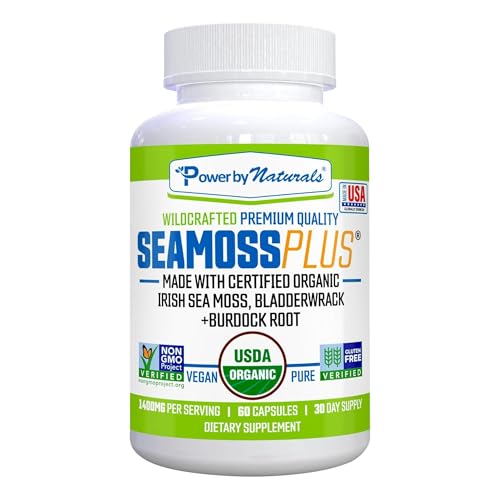
🛒 Where to Buy Sea Moss & Bladderwrack
- CleanseParasites Intra-Cellular Superfood Editor’s Pick
Contains sea moss and bladderwrack alongside black cumin seed and other superfood ingredients. - American Standard Supplements Organic Sea Moss, Bladderwrack & Burdock Root Capsules
capsules, 1200mg sea moss / 1200mg bladderwrack / 225mg burdock root per serving, 120 capsules — High-dose transparent-label blend, vegan, non-GMO, made in USA; clearly stated per-ingredient milligrams rather than a proprietary blend - Secret Element Sea Moss Capsules with Burdock Root, Bladderwrack & Muira Puama
capsules, 120 capsules — Budget-friendly 4-ingredient blend, gluten-free, made in USA - Nutrivein Organic Sea Moss 1600mg with Bladderwrack & Burdock
capsules, 1600mg sea moss per serving plus bladderwrack and burdock — Widely available mid-tier brand, marketed for immune/digestive/thyroid/skin support claims
As an Amazon Associate we earn from qualifying purchases. Quality varies widely — always choose a product with a published third-party test (COA) before buying.
A Note on the Evidence
This information is for educational purposes only and does not constitute medical advice. Bladderwrack supplements are not evaluated by the FDA for treating thyroid disease, and individuals should consult a qualified healthcare provider before use, especially if they have thyroid conditions, are pregnant, nursing, or taking medication.
Frequently Asked Questions
Does bladderwrack guarantee improved thyroid function?
No. While bladderwrack provides iodine, which the thyroid needs to make hormones, there is no clinical evidence that taking bladderwrack will improve thyroid function or treat thyroid disease. Its effects depend on individual iodine status and overall health.
How can I know how much iodine is in a bladderwrack supplement?
Check the product label for an iodine amount per serving, preferably expressed in micrograms (µg). Reliable brands will also provide a certificate of analysis from an independent lab confirming this value. If the label does not list iodine, assume the amount is unknown and variable.


Is it safe to take bladderwrack if I have Hashimoto’s thyroiditis?
Individuals with autoimmune thyroid conditions like Hashimoto’s should be cautious, as excess iodine can sometimes worsen immune activity against the thyroid. It is best to discuss any bladderwrack use with your endocrinologist or primary care provider before starting.
Can bladderwrack replace my prescription thyroid medication?
No. Bladderwrack is not a substitute for levothyroxine, antithyroid drugs, or any prescribed thyroid treatment. Using it in place of medication could lead to inadequate hormone levels and serious health consequences.
Are there any side effects from taking bladderwrack?
Possible side effects include gastrointestinal upset, metallic taste, or symptoms of iodine excess such as throat swelling, fever, or joint pain. Long‑term use of contaminated products could contribute to heavy‑metal accumulation. Discontinue use and seek medical advice if adverse reactions occur.
Should I test my iodine levels before using bladderwrack?
If you have a known thyroid disorder, are pregnant, or take medications that affect iodine handling, checking your serum iodine or urinary iodine excretion with a healthcare professional can help determine whether additional iodine from bladderwrack is appropriate or unnecessary.
References
- Roleda MY et al. Iodine content in bulk biomass of wild-harvested and cultivated edible seaweeds: inherent variations determine species-specific daily allowable consumption. Food Chemistry (2018). PMID 29548461
- Sohn SY et al. Risks of iodine excess. Endocrine Reviews (2024). PMID 38870258
- Phaneuf D et al. Evaluation of the contamination of marine algae (seaweed) from the St. Lawrence River and likely to be consumed by humans. Environmental Research (1999). PMID 10092431
- Teas J et al. Variability of iodine content in common commercially available edible seaweeds. Thyroid (2004). PMID 15588380
These statements have not been evaluated by the Food and Drug Administration. This information is not intended to diagnose, treat, cure, or prevent any disease. Content is for informational purposes only and is not medical advice; consult a qualified healthcare provider before starting any supplement. As an Amazon Associate we earn from qualifying purchases.
