Sea moss, also known as Irish moss (Chondrus crispus), has gained popularity as a nutrient‑rich seaweed supplement. Consumers often seek it for its mineral content and potential gut‑supporting polysaccharides, but the market varies widely in quality and safety.
Because sea moss is not standardized and can absorb contaminants from its growing environment, understanding how brands verify purity is essential. This guide outlines the key tests and practices to evaluate when comparing sea moss products.
Key Takeaways
- Prioritize brands that provide recent, third‑party test results for heavy metals, microbes, and iodine.
- Check the harvest location and look for statements about sustainable, clean‑water sourcing.
- Choose products with minimal additives and transparent processing methods (e.g., low‑temperature drying).
- Verify certifications (Organic, GMP, etc.) as additional quality signals, but rely primarily on test data.
- Compare cost per gram of pure sea moss, weighing price against the depth of disclosed quality information.
Understanding Sea Moss and Its Common Forms
Sea moss is harvested from Atlantic coastlines and sold in several formats: raw dried whole strands, powdered extracts, gels, and capsules. The raw form retains the natural matrix of carbohydrates, proteins, and trace minerals, while powders and gels are often processed for convenience. Knowing which form you prefer helps you assess whether a brand’s processing aligns with your intended use.
Regardless of form, the core quality concerns remain the same: potential heavy metal uptake, microbial load, and accurate iodine labeling. Because sea moss grows in seawater, it can concentrate elements such as arsenic, lead, cadmium, and mercury from polluted waters. A brand’s approach to testing these contaminants is a primary indicator of product safety.
Key Purity Tests: Heavy Metals, Microbiology, and Iodine Content
Reputable brands typically provide third‑party laboratory reports showing levels of heavy metals (arsenic, lead, cadmium, mercury) that fall within limits set by food safety authorities [1]. Look for results expressed in parts per million (ppm) or micrograms per kilogram, and compare them to regulatory thresholds such as those from the FDA or EU.

Microbiological screening checks for harmful bacteria, molds, yeasts, and pathogens like Salmonella or E. coli. Acceptable limits are usually defined as colony‑forming units per gram (CFU/g). A clean microbiological profile reduces the risk of gastrointestinal upset or infection.
Iodine content is another critical measure, especially for individuals with thyroid conditions. Sea moss naturally contains iodine, but levels can vary dramatically based on species, harvest location, and processing [2]. Brands that disclose iodine per serving (e.g., micrograms) allow consumers to gauge intake and avoid excess.
Evaluating Source and Harvest Practices
The geographic origin of sea moss heavily influences its contaminant profile. Harvesting from clean, monitored waters lowers the likelihood of heavy metal accumulation. Brands that disclose specific harvest zones or partner with vetted wild‑crafters demonstrate greater transparency.
Sustainable harvesting methods also matter. Over‑harvesting can damage marine ecosystems and affect the seaweed’s biochemical composition. Look for mentions of sustainable practices, such as rotational harvesting or compliance with regional marine stewardship guidelines.
Reading Labels: Additives, Processing, and Certification
Pure sea moss should contain minimal ingredients: ideally just the seaweed itself and possibly a natural preservative like lemon juice or citric acid for gel products. Avoid brands that list unnecessary fillers, artificial flavors, or high amounts of sweeteners unless you specifically seek a flavored product.


Processing methods can affect nutrient integrity. Low‑temperature drying or freeze‑drying tends to preserve polysaccharides and minerals better than high‑heat methods. Some brands highlight “raw” or “sun‑dried” claims; verify whether these are supported by third‑party data.
Certifications such as USDA Organic, Non‑GMO Project Verified, or GMP (Good Manufacturing Practices) indicate that a facility follows standardized quality controls. While certification does not guarantee contaminant‑free product, it adds a layer of accountability.
Comparing Brands: What to Look For in Practice
When comparing products, start by requesting or locating the most recent Certificate of Analysis (CoA) from each brand. A CoA should list heavy metal results, microbiological limits, and iodine content. If a brand refuses to share this information, consider it a red flag.
Next, assess the price per gram of pure sea moss. Extremely low prices may indicate diluted product or lax testing, while excessively high prices do not always guarantee superior quality. Balance cost with the transparency of testing data.
Finally, consider user feedback that mentions specific effects (e.g., digestive comfort) and any reports of adverse reactions. While anecdotal, patterns in reviews can hint at consistency in product quality across batches.
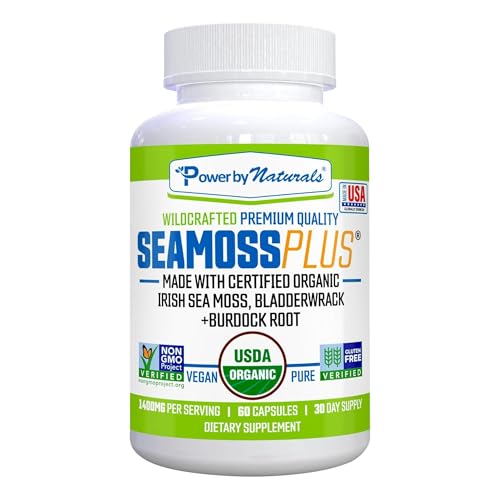
🛒 Where to Buy Sea Moss & Bladderwrack
- CleanseParasites Intra-Cellular Superfood Editor’s Pick
Contains sea moss and bladderwrack alongside black cumin seed and other superfood ingredients. - American Standard Supplements Organic Sea Moss, Bladderwrack & Burdock Root Capsules
capsules, 1200mg sea moss / 1200mg bladderwrack / 225mg burdock root per serving, 120 capsules — High-dose transparent-label blend, vegan, non-GMO, made in USA; clearly stated per-ingredient milligrams rather than a proprietary blend - Secret Element Sea Moss Capsules with Burdock Root, Bladderwrack & Muira Puama
capsules, 120 capsules — Budget-friendly 4-ingredient blend, gluten-free, made in USA - Nutrivein Organic Sea Moss 1600mg with Bladderwrack & Burdock
capsules, 1600mg sea moss per serving plus bladderwrack and burdock — Widely available mid-tier brand, marketed for immune/digestive/thyroid/skin support claims
As an Amazon Associate we earn from qualifying purchases. Quality varies widely — always choose a product with a published third-party test (COA) before buying.
A Note on the Evidence
Research on sea moss’s health effects is limited, and individual responses vary; consult a healthcare provider before use, especially if you have thyroid disorders, are pregnant, or take medications.
Frequently Asked Questions
What is a Certificate of Analysis and why is it important?
A Certificate of Analysis (CoA) is a lab report that details the levels of contaminants, microbes, and active components in a product. It provides objective evidence that the brand has tested for safety and potency, allowing you to verify purity claims independently.
How much iodine is too much in sea moss?
Iodine tolerance varies, but excess intake above 1,100 µg per day for adults can affect thyroid function. Since sea moss iodine levels can range widely, check the label for micrograms per serving and calculate your total daily intake from all sources.

Can I trust a brand that says its sea moss is "wild‑crafted" without further detail?
“Wild‑crafted” indicates the seaweed was harvested from natural habitats, but it does not guarantee clean water or sustainable practices. Look for additional specifics such as harvest region, testing data, or third‑party verification to assess risk.
Are gel forms of sea moss less potent than raw dried strands?
Processing into gel often involves soaking and blending, which can preserve most polysaccharides and minerals if done gently. However, excessive heat or prolonged storage may degrade some nutrients; checking the brand’s processing method and storage recommendations helps gauge potency.

What heavy metals should I be most concerned about in sea moss?
Arsenic, lead, cadmium, and mercury are the primary contaminants of concern because sea moss can accumulate them from polluted seawater. Reliable brands test for all four and report results below established safety limits.
Is organic certification necessary for safe sea moss?
Organic certification ensures the seaweed was grown without synthetic pesticides or fertilizers and follows certain environmental standards. While helpful, it does not replace direct contaminant testing; organic sea moss can still contain heavy metals if harvested from contaminated waters.
References
- Phaneuf D et al. Evaluation of the contamination of marine algae (seaweed) from the St. Lawrence River and likely to be consumed by humans. Environmental Research (1999). PMID 10092431
- Teas J et al. Variability of iodine content in common commercially available edible seaweeds. Thyroid (2004). PMID 15588380
These statements have not been evaluated by the Food and Drug Administration. This information is not intended to diagnose, treat, cure, or prevent any disease. Content is for informational purposes only and is not medical advice; consult a qualified healthcare provider before starting any supplement. As an Amazon Associate we earn from qualifying purchases.
