Bladderwrack (Fucus vesiculosus) is a brown seaweed that grows along cold-water coastlines and has long been used as a source of iodine and minerals. In recent years, attention has shifted to a different class of compounds it produces: phlorotannins and other polyphenol-like molecules that show antioxidant activity in laboratory testing. These compounds are unique to brown algae and are structurally different from the polyphenols found in land plants like green tea or berries.
Most of what’s known about bladderwrack’s antioxidant properties comes from chemical assays and cell or animal studies, not large human trials. This article walks through what those studies have actually measured, what the proposed mechanisms are, and where the evidence stops short of supporting broader wellness claims. It is informational only and not a substitute for medical advice, especially given bladderwrack’s variable iodine content.
Key Takeaways
- Bladderwrack’s antioxidant activity is driven mainly by phlorotannins, polyphenols unique to brown algae, along with dietary fiber and other minor compounds [1][2]
- Phlorotannin antioxidant potency varies by molecular structure, meaning not all extracts are equivalent [3][4]
- Direct evidence for antioxidant effects comes from in vitro and animal studies, not human trials [5][6]
- Related research areas (skin protection, inflammation, pain, neurological effects) are early-stage and not established uses [7][8][9][10]
- Bladderwrack’s iodine content and sourcing/contamination risks are separate concerns that matter more for safety than its antioxidant profile
What Gives Bladderwrack Its Antioxidant Activity
Bladderwrack’s antioxidant profile is driven largely by phlorotannins, a family of polyphenols made from repeating units of phloroglucinol that are found almost exclusively in brown algae. An analysis of Fucus vesiculosus harvested from the Arctic region measured its biochemical composition and found meaningful levels of phlorotannins alongside other antioxidant-associated compounds, with antioxidant capacity varying by season and harvest location [1]. This is an important detail: bladderwrack is not a single fixed formula, its chemical makeup shifts depending on where and when it was collected.
Beyond phlorotannins, bladderwrack also contains dietary fiber, and research on Fucus vesiculosus-based food products found a relationship between fiber content and measured antioxidant capacity in the material tested [2]. This suggests the plant’s antioxidant activity isn’t attributable to one single molecule but to a combination of polysaccharides and polyphenolic compounds working together in the raw seaweed.

Phlorotannins: The Main Antioxidant Class
Phlorotannins are the most studied antioxidant compounds in bladderwrack, and their activity appears to depend heavily on their exact chemical structure. A detailed analysis of phlorotannins isolated from Icelandic Fucus vesiculosus used advanced chromatography and mass spectrometry to show that antioxidant capacity varies by the size and structure of the phlorotannin molecule, meaning not all phlorotannins in the plant are equally potent [3]. This structure-dependence is a common theme in polyphenol research generally, and it means crude extract potency can differ significantly between products depending on extraction method.
A broader review of Fucaceae (the algae family bladderwrack belongs to) as a source of bioactive phlorotannins summarized evidence that these compounds have measurable radical-scavenging activity in laboratory assays [4]. A separate review focused specifically on brown algae phlorotannins as a potential way to counter oxidative stress, inflammation, and processes implicated in cancer biology, though this work is largely mechanistic and pre-clinical in nature rather than based on human outcomes [11].

Laboratory and Animal Evidence for Antioxidant Effects
Direct experimental evidence for bladderwrack’s antioxidant activity comes primarily from in vitro (test tube/cell-based) and animal studies. One study synthesized silver nanoparticles using Fucus vesiculosus extract and reported antioxidant, anti-collagenase, and antibacterial activity for the resulting material [5]. Because this research used a nanoparticle formulation rather than raw seaweed or a typical dietary supplement, its findings describe a specific delivery method rather than what happens when a person eats or takes a bladderwrack capsule.
More directly relevant to how the plant is normally used, a 2025 study compared extracts of Ascophyllum nodosum and Fucus vesiculosus and found both mitigated oxidative stress markers in both in vitro assays and an in vivo animal model [6]. This is a stronger form of evidence than a chemistry-only assay because it shows an effect in a living system, but it still doesn’t establish what happens in humans at typical supplement doses.

For context, other brown algae polyphenols have shown related metabolic antioxidant effects in animal models. A study on Ecklonia cava (a different brown alga) polyphenol extract found it reduced oxidative stress and improved markers of liver fat metabolism in high-fat-diet mice via AMPK and SIRT1 pathway activation [12]. This isn’t direct evidence for bladderwrack, but it illustrates the kind of mechanism brown algae polyphenols as a class are being investigated for.
Related Bioactivities Being Studied Alongside Antioxidant Effects
Because oxidative stress is linked to skin aging, inflammation, and pain signaling, researchers have looked at bladderwrack’s antioxidant compounds in those adjacent contexts. A cosmeceutical screening study evaluated brown algae including Fucus vesiculosus for antioxidant and photo-protective properties relevant to skin care formulations [7]. Separately, a screening of anti-inflammatory activity across various brown algae species included Fucus vesiculosus among those tested [8], and a 2025 review examined marine algal antioxidants, including those from brown algae, in the context of pain alleviation research [9].
A 2026 review also looked at seaweed-derived compounds more broadly for potential neurological benefits, an area connected to oxidative stress biology in the brain [10]. These are emerging research directions, not established uses, and none of this evidence supports bladderwrack as a treatment for skin conditions, chronic pain, or neurological disease.
What This Means If You're Considering Bladderwrack
Taken together, the evidence supports a clear, mechanistic conclusion: bladderwrack contains phlorotannins and other compounds that show measurable antioxidant activity in chemical assays, cell studies, and some animal models. What it does not yet support is a specific, reliable antioxidant benefit for a person taking a bladderwrack supplement, since almost none of this research was conducted in humans, and extract potency varies by harvest, season, and processing method [1].
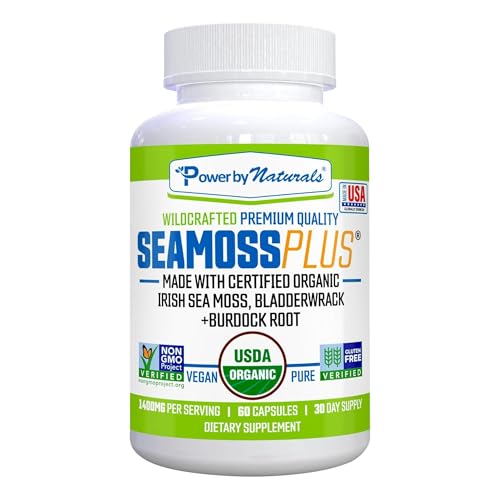

Anyone considering bladderwrack should also weigh its separate, better-documented iodine content, which can affect thyroid function independent of any antioxidant properties, and should be cautious about product quality given that unregulated seaweed can carry heavy metal contamination depending on where it was harvested.
🛒 Where to Buy Sea Moss & Bladderwrack
- CleanseParasites Intra-Cellular Superfood Editor’s Pick
Contains sea moss and bladderwrack alongside black cumin seed and other superfood ingredients. - American Standard Supplements Organic Sea Moss, Bladderwrack & Burdock Root Capsules
capsules, 1200mg sea moss / 1200mg bladderwrack / 225mg burdock root per serving, 120 capsules — High-dose transparent-label blend, vegan, non-GMO, made in USA; clearly stated per-ingredient milligrams rather than a proprietary blend - Secret Element Sea Moss Capsules with Burdock Root, Bladderwrack & Muira Puama
capsules, 120 capsules — Budget-friendly 4-ingredient blend, gluten-free, made in USA - Nutrivein Organic Sea Moss 1600mg with Bladderwrack & Burdock
capsules, 1600mg sea moss per serving plus bladderwrack and burdock — Widely available mid-tier brand, marketed for immune/digestive/thyroid/skin support claims
As an Amazon Associate we earn from qualifying purchases. Quality varies widely — always choose a product with a published third-party test (COA) before buying.

A Note on the Evidence
The antioxidant research described here is largely from chemical, cell, and animal studies rather than human clinical trials, so real-world effects and doses in people are not established. Bladderwrack’s variable iodine content and potential heavy metal contamination are separate safety concerns; talk to a doctor before use, especially if you have thyroid disease, are pregnant, or take thyroid medication. This article is informational and not medical advice.
Frequently Asked Questions
What compounds make bladderwrack antioxidant-rich?
Its antioxidant activity is mainly attributed to phlorotannins, a class of polyphenols specific to brown algae, along with dietary fiber and other minor compounds measured in biochemical analyses [1][2].
Has bladderwrack's antioxidant effect been shown in humans?
Not directly. The available evidence is from chemical assays, cell-based studies, and animal models, such as an extract study that reduced oxidative stress markers in vivo in animals [6]. Human clinical trials on this specific effect are lacking.
Are all bladderwrack phlorotannins equally potent?
No. Research using detailed chemical analysis found that antioxidant capacity depends on the specific structure and size of the phlorotannin molecule, so extracts can vary in potency depending on processing [3].

Does bladderwrack help with skin aging or inflammation?
Early research has looked at bladderwrack extracts for photo-protective and anti-inflammatory properties in lab settings [7][8], but this is preliminary screening-stage research, not evidence of a proven skincare or anti-inflammatory benefit in people.
Is bladderwrack the same as other antioxidant seaweeds like Ascophyllum nodosum?
They’re related brown algae studied together in at least one comparative study that found both mitigated oxidative stress in vitro and in vivo [6], but they are distinct species and shouldn’t be assumed to have identical composition or effects.
What should I watch out for with bladderwrack supplements?
Iodine content varies widely between products and can affect thyroid function, especially for people with existing thyroid conditions, pregnancy, or those on levothyroxine. Unregulated, wildcrafted seaweed can also carry heavy metal contamination depending on harvest waters, so third-party testing and sourcing matter more than antioxidant marketing claims.
References
- Obluchinskaya ED et al. The Biochemical Composition and Antioxidant Properties of Fucus vesiculosus from the Arctic Region. Marine drugs (2022). PMID 35323492
- Díaz-Rubio ME et al. Dietary fiber and antioxidant capacity in Fucus vesiculosus products. International journal of food sciences and nutrition (2009). PMID 18951280
- Hermund DB et al. Structure dependent antioxidant capacity of phlorotannins from Icelandic Fucus vesiculosus by UHPLC-DAD-ECD-QTOFMS. Food chemistry (2018). PMID 28946360
- Catarino MD et al. Fucaceae: A Source of Bioactive Phlorotannins. International journal of molecular sciences (2017). PMID 28635652
- Savitri ES et al. Antioxidant, anti-collagenase, and antibacterial activities of Fucus vesiculosus silver nanoparticles. Narra J (2024). PMID 39816101
- Karlsberger L et al. Antioxidant Power of Brown Algae: Ascophyllum nodosum and Fucus vesiculosus Extracts Mitigate Oxidative Stress In Vitro and In Vivo. Marine drugs (2025). PMID 40863639
- Hermund DB et al. Screening for New Cosmeceuticals from Brown Algae Fucus vesiculosus with Antioxidant and Photo-Protecting Properties. Marine drugs (2022). PMID 36355010
- Ersoydan S et al. Investigating the Anti-Inflammatory Activity of Various Brown Algae Species. Marine drugs (2024). PMID 39452865
- Belda-Antolí M et al. From Sea to Relief: The Therapeutic Potential of Marine Algal Antioxidants in Pain Alleviation. Marine drugs (2025). PMID 40710495
- Pereira L et al. Neurological Benefits of Seaweed-Derived Compounds. Marine drugs (2026). PMID 41590728
- Catarino MD et al. Brown Algae Phlorotannins: A Marine Alternative to Break the Oxidative Stress, Inflammation and Cancer Network. Foods (Basel, Switzerland) (2021). PMID 34202184
- Eo H et al. Brown Alga Ecklonia cava polyphenol extract ameliorates hepatic lipogenesis, oxidative stress, and inflammation by activation of AMPK and SIRT1 in high-fat diet-induced obese mice. Journal of agricultural and food chemistry (2015). PMID 25479240
These statements have not been evaluated by the Food and Drug Administration. This information is not intended to diagnose, treat, cure, or prevent any disease. Content is for informational purposes only and is not medical advice; consult a qualified healthcare provider before starting any supplement. As an Amazon Associate we earn from qualifying purchases.
