Bladderwrack (Fucus vesiculosus) contains fucoidan, a sulfated polysaccharide found in the cell walls of brown seaweed. Fucoidan has become a popular ingredient name on supplement labels, often attached to broad claims about immunity, cancer prevention, and antiviral protection. The actual evidence base is narrower and more specific than the marketing suggests.
Most fucoidan research to date comes from laboratory (in vitro) and animal (in vivo) studies looking at inflammation, antioxidant activity, and interactions with specific viruses or cell lines. Human trial data is limited to a small number of studies, one of which looked at immune markers in athletes. This article walks through what’s actually been tested, what the proposed mechanisms are, and where the evidence stops short of supporting disease claims.
Key Takeaways
- Fucoidan from Fucus vesiculosus (bladderwrack) has documented anti-inflammatory, antioxidant, antiviral, and immune-modulating activity in lab and animal studies [1] [2].
- Antiviral findings against rotavirus, foodborne pathogens, and hepatitis B are cell and animal model results, not evidence of infection prevention or treatment in people [3] [4].
- Cancer-related research is mechanistic and preclinical, exploring immune pathways and tumor microenvironments, not a basis for using bladderwrack as cancer therapy [5] [6].
- Human trial data is limited to a small study in athletes under training stress, so effects in general or clinical populations remain unestablished [7].
- Extraction method and molecular weight materially change fucoidan’s activity, so lab results don’t transfer cleanly to any specific commercial bladderwrack product [8].
What Is Fucoidan, and Why Bladderwrack?
Fucoidan is a sulfated fucose-containing polysaccharide extracted from brown seaweeds, and Fucus vesiculosus (bladderwrack) is one of the most studied source species. Its bioactivity depends heavily on molecular weight, sulfation pattern, and extraction method, which is one reason findings vary across studies and are difficult to generalize to a specific store-bought supplement [2].
Researchers have also found that degrading fucoidan into smaller fragments changes its structure and measurably alters its antioxidant and antiproliferative activity in lab assays, meaning that not all ‘fucoidan’ behaves the same way once processed [8]. This matters for consumers: a product listing ‘fucoidan’ on its label doesn’t specify which molecular form was tested in any given study, or whether it matches what’s in the bottle.

Anti-Inflammatory and Antioxidant Activity
The most consistent lab findings involve fucoidan’s anti-inflammatory effects. In vitro and in vivo work has shown that Fucus vesiculosus fucoidan can suppress inflammatory signaling pathways and reduce markers of inflammation in tested models [1]. A comparative study across multiple brown algae species also evaluated anti-inflammatory activity, situating Fucus vesiculosus fucoidan alongside other seaweed-derived extracts rather than as a uniquely superior source [9].
Separately, fucoidan has demonstrated protective effects on retinal pigment epithelium cells against lipid-induced damage relevant to age-related macular degeneration in a 2026 study, an early and narrow finding that reflects a specific cell-culture model rather than evidence that bladderwrack supplements protect human eyesight [10].
Antiviral and Antimicrobial Research
Several studies have tested fucoidan extracts against specific pathogens. One study found that Fucus vesiculosus fucoidan-rich extracts showed activity against rotavirus and select foodborne bacterial pathogens in laboratory testing [3]. Separately, fucoidan from the same species was shown to suppress hepatitis B virus replication in cell and mouse models, apparently by enhancing a specific cell-signaling pathway (ERK activation) [4].

These are legitimate, peer-reviewed findings, but they describe isolated extract behavior against specific pathogens in controlled lab conditions. They do not establish that eating or supplementing with bladderwrack prevents or treats viral or bacterial infection in people.

Cancer-Related and Immune System Research
A notable share of fucoidan research sits in oncology-adjacent lab science. Reviews have discussed algal polysaccharides, including fucoidan, in the context of molecular mechanisms tied to cancer-preventive and therapeutic potential, largely based on cell and animal work rather than clinical outcomes in cancer patients [6]. More recent literature has looked at fucoidan and related natural compounds in the context of tumor-associated macrophages in colon cancer, exploring how such compounds might modulate the immune microenvironment [5], and how nutritional strategies, including compounds like fucoidan, might support patients undergoing immune checkpoint inhibitor or kinase inhibitor cancer therapies [11].
Fucoidan has also been studied for its interaction with scavenger receptor A, a receptor implicated in immune regulation and autoimmune disease processes, which underlies some of the proposed immunomodulatory mechanisms discussed in the literature [12]. None of this research supports using bladderwrack as a cancer treatment or adjunct therapy; it describes mechanistic hypotheses under active investigation, not clinical recommendations.
The Human Evidence: What's Actually Been Tested in People
Direct human trial data on fucoidan from bladderwrack is sparse. One notable study examined immunomodulatory effects of fucoidan supplementation in recreationally active adult males undergoing three weeks of intensified training, looking at whether it influenced immune markers under physical stress [7]. This is a small, specific population and outcome set, useful as a starting point for human research but far from sufficient to generalize to immune support for the general public.
This gap between extensive lab research and minimal human trial data is the central honest takeaway: fucoidan is a genuinely active compound in cell and animal models, but the leap to ‘proven human health benefit’ has not been made for most of the claims attached to bladderwrack supplements.
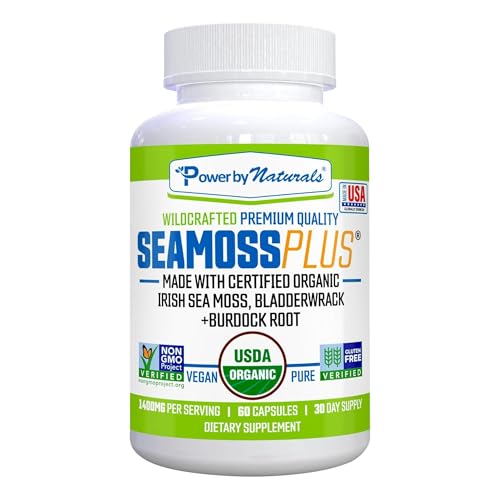
Where the Evidence Stops Short
It’s worth being direct about the pattern across this evidence base: most studies are in vitro (isolated cells or pathogens in a dish) or in vivo animal models, using purified or fractionated fucoidan extracts, at doses and preparations that don’t match commercial supplements. Extraction method and molecular weight change activity substantially [2] [8], so results from one lab’s extract don’t automatically apply to a different product on a store shelf.
Bladderwrack supplements are also not standardized for fucoidan content, and the iodine content of bladderwrack (a separate compound from fucoidan) is a distinct, well-established concern for thyroid function that consumers should weigh independently of fucoidan’s research profile.

🛒 Where to Buy Sea Moss & Bladderwrack
- CleanseParasites Intra-Cellular Superfood Editor’s Pick
Contains sea moss and bladderwrack alongside black cumin seed and other superfood ingredients. - American Standard Supplements Organic Sea Moss, Bladderwrack & Burdock Root Capsules
capsules, 1200mg sea moss / 1200mg bladderwrack / 225mg burdock root per serving, 120 capsules — High-dose transparent-label blend, vegan, non-GMO, made in USA; clearly stated per-ingredient milligrams rather than a proprietary blend - Secret Element Sea Moss Capsules with Burdock Root, Bladderwrack & Muira Puama
capsules, 120 capsules — Budget-friendly 4-ingredient blend, gluten-free, made in USA - Nutrivein Organic Sea Moss 1600mg with Bladderwrack & Burdock
capsules, 1600mg sea moss per serving plus bladderwrack and burdock — Widely available mid-tier brand, marketed for immune/digestive/thyroid/skin support claims
As an Amazon Associate we earn from qualifying purchases. Quality varies widely — always choose a product with a published third-party test (COA) before buying.

A Note on the Evidence
This article is informational, not medical advice; the fucoidan research cited here is overwhelmingly preclinical (lab and animal), with only minimal human trial data. Bladderwrack also contains variable, sometimes high levels of iodine that can affect thyroid function, so anyone with thyroid disease, who is pregnant, or taking thyroid medication should talk to a doctor before use, and unregulated wildcrafted products carry a risk of heavy metal contamination depending on sourcing.
Frequently Asked Questions
Does fucoidan in bladderwrack boost the immune system?
Lab and animal studies show fucoidan can modulate immune-related pathways and inflammation [1] [12], and one small human study looked at immune markers in athletes under training stress [7]. This doesn’t establish a general immune-boosting effect from supplement use.
Can bladderwrack fight viruses like a natural antiviral?
Fucoidan extracts have shown activity against rotavirus and hepatitis B in laboratory cell and animal models [3] [4]. These are preliminary lab findings, not clinical evidence that bladderwrack prevents or treats viral infections in humans.
Is there evidence bladderwrack fucoidan helps with cancer?
Preclinical research has explored fucoidan’s role in immune cell behavior within tumor environments and alongside cancer therapies [5] [11] [6]. This is mechanistic, early-stage science, it is not evidence to use bladderwrack as a cancer treatment or substitute for medical care.

Is bladderwrack fucoidan the same as bladderwrack for thyroid support?
No. Fucoidan is a polysaccharide; the thyroid-related effects of bladderwrack come mainly from its naturally occurring iodine content, a separate compound with its own risks, especially for people with existing thyroid conditions.
Has fucoidan from bladderwrack been tested in real clinical trials?
Only in a limited way. One identified study examined fucoidan supplementation’s immune effects in athletes over three weeks [7]. Most other evidence is cell-based or animal research, so robust clinical trial data in general populations is still lacking.
Does the research support taking a bladderwrack supplement daily?
Not directly. The cited research validates fucoidan as a bioactive compound worth studying, but it does not validate specific doses, durations, or outcomes for any commercial bladderwrack supplement, since products aren’t standardized to match study extracts.
References
- Wang L et al. Fucoidan from Fucus vesiculosus Inhibits Inflammatory Response, Both In Vitro and In Vivo. Marine drugs (2023). PMID 37233496
- Pozharitskaya ON et al. Mechanisms of Bioactivities of Fucoidan from the Brown Seaweed Fucus vesiculosus L. of the Barents Sea. Marine drugs (2020). PMID 32456047
- Graikini D et al. Bioactivity of Fucoidan-Rich Extracts from Fucus vesiculosus against Rotavirus and Foodborne Pathogens. Marine drugs (2023). PMID 37755091
- Li H et al. Fucoidan from Fucus vesiculosus suppresses hepatitis B virus replication by enhancing extracellular signal-regulated Kinase activation. Virology journal (2017). PMID 28915824
- He Q et al. Tumor-associated macrophages in colon cancer immunotherapy: mechanisms, natural product interventions, and microenvironment remodeling. Frontiers in immunology (2025). PMID 40873588
- Sajadimajd S et al. Molecular Mechanisms Underlying Cancer Preventive and Therapeutic Potential of Algal Polysaccharides. Current pharmaceutical design (2019). PMID 31465281
- Cox AJ et al. Immunomodulatory effects of fucoidan in recreationally active adult males undertaking 3-weeks of intensified training. Journal of sports sciences (2023). PMID 38247026
- Lahrsen E et al. Gradual degradation of fucoidan from Fucus vesiculosus and its effect on structure, antioxidant and antiproliferative activities. Carbohydrate polymers (2018). PMID 29691015
- Ersoydan S et al. Investigating the Anti-Inflammatory Activity of Various Brown Algae Species. Marine drugs (2024). PMID 39452865
- Hacker F et al. Fucoidan from Fucus vesiculosus Protects Retinal Pigment Epithelium from Lipid-Induced Damage Related to AMD. Marine drugs (2026). PMID 41745467
- Fuller-Shavel N et al. Nutritional strategies in supporting immune checkpoint inhibitor, PI3K inhibitor, and tyrosine kinase inhibitor cancer therapies. Frontiers in nutrition (2025). PMID 41425618
- Xie Y et al. Scavenger receptor A in immunity and autoimmune diseases: Compelling evidence for targeted therapy. Expert opinion on therapeutic targets (2022). PMID 35510370
These statements have not been evaluated by the Food and Drug Administration. This information is not intended to diagnose, treat, cure, or prevent any disease. Content is for informational purposes only and is not medical advice; consult a qualified healthcare provider before starting any supplement. As an Amazon Associate we earn from qualifying purchases.
