Sea moss did not begin as a supplement. For generations of Caribbean and Irish coastal households, it was a kitchen ingredient, boiled down and strained to thicken puddings, drinks, and soups long before anyone marketed it as a superfood. Its rise to smoothie-bowl and TikTok fame is a recent chapter in a much older story about a seaweed valued mainly for its texture and its role in traditional food culture.
The modern wellness version of sea moss is inseparable from Dr. Sebi, the self-taught herbalist whose “African Bio-Mineral Balance” diet placed sea moss at its center starting in the 1980s and 90s. Understanding how sea moss moved from soup pot to supplement aisle means separating the parts of this history that are documented from the parts that are marketing narrative layered on top.
Key Takeaways
- Sea moss has a genuine, centuries-long history as a food and home remedy in Caribbean and Irish coastal communities, used mainly for its thickening properties in puddings and tonic drinks.
- Dr. Sebi’s African Bio-Mineral Balance diet in the 1980s-90s reframed sea moss as a wellness and detox product; this was a personal health philosophy, not a body of clinical research.
- Celebrity endorsements and TikTok/Instagram content in the 2010s-2020s broadened sea moss’s claimed benefits well beyond what the historical use or the available evidence supports.
- Most of sea moss’s specific modern health claims (thyroid, gut, immunity, libido) rest on thin human clinical evidence compared to the much better-documented iodine/thyroid effects of bladderwrack.
- Sourcing and standardization, not the backstory, are the practical concerns today: metal levels in seaweed vary by species and harvest site, and while surveys have generally found low health risk from metals in seaweed at typical intakes [2][4], lead exceeded the limit for food supplements in seaweed from one Mediterranean site [3], and iodine content varies widely, which matters most for thyroid conditions, pregnancy, or levothyroxine use [1].
Sea Moss Before It Was a Supplement
Chondrus crispus, commonly called Irish moss or sea moss, is a red seaweed that grows along rocky coastlines in the North Atlantic, including Ireland and the Caribbean. In Ireland, it has a documented history as a food and folk remedy stretching back well over a century, used especially during famine periods as an inexpensive source of nutrition and to thicken milk-based puddings and drinks for coughs and colds.
In the Caribbean, sea moss took on its own culinary identity. Jamaican, Trinidadian, and other island households have long prepared it as a thick, gelatinous drink, sometimes called “Irish moss punch,” often blended with milk, spices like nutmeg and cinnamon, and occasionally linseed or other ingredients. It was consumed as a tonic-style beverage believed to build strength and stamina, passed down as home remedy knowledge rather than as a branded product.

This period of sea moss’s history is genuinely a food tradition: something grown, harvested, and prepared locally, valued for texture and perceived vitality benefits, with no formal industry or marketing behind it.
Dr. Sebi and the Reframing of Sea Moss
Alfredo Bowman, known as Dr. Sebi, was a Honduran-born herbalist who developed the African Bio-Mineral Balance, a diet and lifestyle philosophy built around alkaline, plant-based foods and a specific approved food list. He gained a public following in the U.S. starting in the 1980s, and became more widely known after facing legal action from New York State over unlicensed medical practice claims, which he ultimately won on the narrow grounds tied to his specific case.
Sea moss (along with bladderwrack and burdock root) was central to Dr. Sebi’s product line and teaching, framed as a mineral-rich food that fit his alkaline diet philosophy. It’s important to be precise about what this history does and doesn’t establish: Dr. Sebi’s teachings were a specific, personal health philosophy, not a body of clinical research, and his claims about curing or reversing disease were never validated by controlled human studies. His influence, however, is real and well documented: it’s the reason sea moss shifted in public perception from a Caribbean food ingredient to a name associated with detox and alkaline-diet wellness culture.

Sebi died in 2016, and interest in his product lines and philosophy grew substantially afterward, particularly within online wellness and natural-health communities that continued to reference his teachings.
The Celebrity and Social Media Amplification
Sea moss’s visibility jumped again in the mid-to-late 2010s and into the 2020s as celebrities and public figures publicly credited it with energy, skin, or immune benefits, which pushed it into mainstream wellness media coverage well beyond the communities that had followed Dr. Sebi’s original teachings.

TikTok and Instagram accelerated this further, with sea moss gel recipes, “raw sea moss vs. sea moss gel” comparisons, and gut-health and thyroid-support claims circulating widely as short-form video content. This is the point at which sea moss’s marketing claims broadened considerably, often well past what the underlying evidence supports, covering everything from immunity to weight loss to libido.
The result is a product with two very different origin stories running in parallel: a genuine, centuries-old Caribbean and Irish food tradition, and a much newer, internet-amplified wellness narrative that borrows credibility from that tradition while making claims the tradition itself never made.
What the History Doesn't Tell You: Separating Tradition From Evidence
A food or remedy having a long cultural history is meaningful, but it is not the same thing as clinical proof of a health benefit. Traditional use tells you that people found sea moss palatable and believed it useful; it doesn’t tell you dosage, mechanism, or whether modern supplement forms (capsules, gels, powders) deliver comparable effects to a home-prepared punch.
The clearest evidence-based angle on seaweeds in this category actually concerns bladderwrack (Fucus vesiculosus), a brown seaweed sometimes blended with sea moss in commercial products, and its naturally occurring iodine content and effects on thyroid function. Sea moss itself has much thinner human clinical evidence behind the broad wellness claims now attached to it; most of what circulates is repackaged tradition plus social-media testimonials rather than trial data.
This gap between a rich cultural history and thin modern clinical evidence is the single most important thing to understand about sea moss’s journey from kitchen to TikTok: the story is old and real, but the specific health claims attached to it today are largely new and unproven.
Sourcing Matters More Than the Backstory
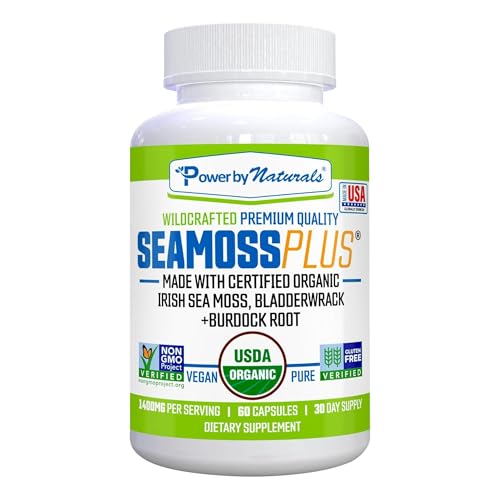
Because sea moss is now sold as a commodity supplement rather than harvested and prepared at home, sourcing and processing have become the practical concern that the historical narrative tends to obscure. Wildcrafted sea moss quality depends heavily on the waters it’s harvested from: metal levels vary by species and site, and while surveys have generally found low health risk from metals in seaweed at typical intakes [2] [4], lead exceeded the limit for food supplements in seaweed from one Mediterranean site [3].

Iodine content is the other practical issue inherited from this history, especially in blends that include bladderwrack alongside sea moss. Iodine content in these products varies widely and isn’t standardized, which matters most for people with existing thyroid conditions, those who are pregnant, or anyone taking thyroid medication like levothyroxine, since added iodine can trigger or worsen thyroid dysfunction in these situations.
None of this means the tradition is fake or that Caribbean and Irish sea moss preparations were baseless; it means that today’s mass-market capsules and gels are a different product, made under different conditions, than what generations of home cooks prepared, and they deserve separate scrutiny rather than credit borrowed from the older tradition.
🛒 Where to Buy Sea Moss & Bladderwrack

- CleanseParasites Intra-Cellular Superfood Editor’s Pick
Contains sea moss and bladderwrack alongside black cumin seed and other superfood ingredients. - American Standard Supplements Organic Sea Moss, Bladderwrack & Burdock Root Capsules
capsules, 1200mg sea moss / 1200mg bladderwrack / 225mg burdock root per serving, 120 capsules — High-dose transparent-label blend, vegan, non-GMO, made in USA; clearly stated per-ingredient milligrams rather than a proprietary blend - Secret Element Sea Moss Capsules with Burdock Root, Bladderwrack & Muira Puama
capsules, 120 capsules — Budget-friendly 4-ingredient blend, gluten-free, made in USA - Nutrivein Organic Sea Moss 1600mg with Bladderwrack & Burdock
capsules, 1600mg sea moss per serving plus bladderwrack and burdock — Widely available mid-tier brand, marketed for immune/digestive/thyroid/skin support claims
As an Amazon Associate we earn from qualifying purchases. Quality varies widely — always choose a product with a published third-party test (COA) before buying.
A Note on the Evidence
This article covers sea moss’s cultural and commercial history, not a clinical evaluation of its health effects; most of the wellness claims attached to sea moss today have thin human research behind them, and iodine-containing seaweed blends can affect thyroid function, so anyone with a thyroid condition, who is pregnant, or on thyroid medication should talk to a doctor before use. The FDA has not evaluated these products for the treatment, cure, or prevention of any disease. This is informational, not medical advice.
Frequently Asked Questions
Did Dr. Sebi invent sea moss as a health product?
No. Sea moss was already a long-established food and home remedy in Caribbean and Irish coastal cultures before Dr. Sebi. What he did was reframe it within his African Bio-Mineral Balance diet starting in the 1980s-90s, which is the main reason it later became associated with alkaline-diet and detox wellness culture.
Is there clinical research behind Dr. Sebi's claims about sea moss?
Dr. Sebi’s specific disease-curing claims were never validated in controlled human studies; his framework was a personal health philosophy rather than a peer-reviewed body of research. This is separate from asking whether sea moss has any documented nutritional or mineral value, which is a narrower and better-supported question.

Why do sea moss products often include bladderwrack too?
Bladderwrack is a different brown seaweed often blended with sea moss in commercial supplements, largely because of its naturally occurring iodine content and its more established evidence base around thyroid function, compared to sea moss’s thinner research record.
Is wildcrafted sea moss safer than farmed or processed sea moss?
Not automatically. Wildcrafted sea moss quality depends on the specific waters it’s harvested from, and unregulated wildcrafted products have been found to carry heavy metal (arsenic, lead, cadmium) contamination risk depending on harvest location and processing standards.

Why did sea moss suddenly become popular on TikTok?
Celebrity endorsements in the mid-to-late 2010s pushed sea moss into mainstream wellness media, and short-form video platforms like TikTok and Instagram amplified it further with gel-making tutorials and broad health claims, many of which go beyond both the historical tradition and the current evidence.
Should someone with a thyroid condition be cautious with sea moss?
Yes. Sea moss and especially bladderwrack-containing blends carry variable, non-standardized iodine content that can trigger or worsen thyroid dysfunction, particularly for people with existing thyroid conditions, those who are pregnant, or anyone on levothyroxine. This is a reason to check with a doctor before regular use, not a reason to assume the product is automatically unsafe.
References
- Roleda MY et al. Iodine content in bulk biomass of wild-harvested and cultivated edible seaweeds: inherent variations determine species-specific daily allowable consumption. Food Chemistry (2018). PMID 29548461
- Phaneuf D et al. Evaluation of the contamination of marine algae (seaweed) from the St. Lawrence River and likely to be consumed by humans. Environmental Research (1999). PMID 10092431
- Squadrone S et al. Trace metal occurrence in Mediterranean seaweeds. Environmental science and pollution research international (2018). PMID 29368198
- Hwang YO et al. Total arsenic, mercury, lead, and cadmium contents in edible dried seaweed in Korea. Food additives & contaminants. Part B, Surveillance (2010). PMID 24785310
These statements have not been evaluated by the Food and Drug Administration. This information is not intended to diagnose, treat, cure, or prevent any disease. Content is for informational purposes only and is not medical advice; consult a qualified healthcare provider before starting any supplement. As an Amazon Associate we earn from qualifying purchases.
