Irish moss (Chondrus crispus), a red seaweed native to the North Atlantic, found an unexpected second home in the Caribbean. Brought to the region through colonial trade routes and maritime contact, it transitioned from an imported curiosity to a staple in Jamaican and wider Caribbean kitchens, valued for its gelling properties and mineral density.
In the late 20th century, the herb gained renewed prominence through the teachings of Alfredo Bowman, known as Dr. Sebi, who classified it as an ‘electric food’ central to his alkaline dietary methodology. This article traces that trajectory — from famine-era sustenance to modern wellness symbol — while noting where cultural tradition outpaces clinical evidence.
Key Takeaways
- Irish moss arrived in the Caribbean via colonial trade and became a cultural staple through adaptation into a spiced, sweetened beverage.
- Dr. Sebi’s ‘electric food’ philosophy elevated Irish moss and bladderwrack as foundational mineral supplements, but his specific claims (e.g., ’92 minerals’) lack peer-reviewed verification.
- Both seaweeds contain variable, sometimes excessive iodine — posing risks for thyroid health, especially with existing conditions, pregnancy, or thyroid medication.
- Heavy metal contamination is a documented risk in unregulated wildcrafted products; third-party batch testing (COAs) is essential.
- Modern wellness marketing often separates the product from its cultural roots; supporting Caribbean-owned, transparent sources honors the tradition.
Origins and Arrival in the Caribbean
Chondrus crispus grows abundantly along the rocky coasts of Ireland, Atlantic Canada, and New England. Its common name ‘Irish moss’ stems from its historic use in Ireland during the Great Famine (1845–1852), when it was boiled into a nutrient-rich gel to stave off starvation. The seaweed’s high mucilage content — primarily carrageenan — made it an effective thickener and calorie extender when mixed with milk or water.
Through British colonial shipping networks, dried Irish moss reached Jamaica and other Caribbean islands in the 19th century. It was initially sold in apothecaries and general stores as a remedy for respiratory ailments and digestive complaints, mirroring its uses in Irish folk medicine. Over time, local cooks adapted it into a sweetened, spiced beverage — often blended with condensed milk, nutmeg, cinnamon, and vanilla — that became a popular street drink and home staple.
From Folk Remedy to Cultural Staple
By the mid-20th century, ‘Irish moss drink’ was firmly embedded in Jamaican food culture. Vendors sold it chilled in bottles from roadside stands; families prepared it as a Sunday tonic. Its reputation extended beyond nutrition — it was widely regarded as an aphrodisiac and stamina booster for men, a belief rooted in its zinc and mineral content, though no clinical studies support this specific claim.

The preparation method mattered: dried seaweed was thoroughly washed, soaked to rehydrate, then simmered until it released its gelatinous polysaccharides. The resulting gel was strained, sweetened, and spiced. This labor-intensive process limited commercial scale until the 1980s and 1990s, when local manufacturers began producing shelf-stable canned and powdered versions, expanding access beyond coastal communities.
Dr. Sebi and the 'Electric Food' Framework
Alfredo Bowman (1933–2016), a Honduran herbalist who operated as Dr. Sebi, brought Irish moss into a new ideological context. His ‘African Bio-Mineral Balance’ philosophy categorized foods as either ‘electric’ (alkaline, mucus-free, supportive of cellular conductivity) or ‘dead’ (acidic, mucus-forming, disruptive). Irish moss, along with bladderwrack (Fucus vesiculosus), was designated a foundational ‘electric food’ — purported to deliver 92 of the 102 minerals the human body requires, a specific claim that originates from Dr. Sebi’s lectures and writings rather than peer-reviewed compositional analysis.
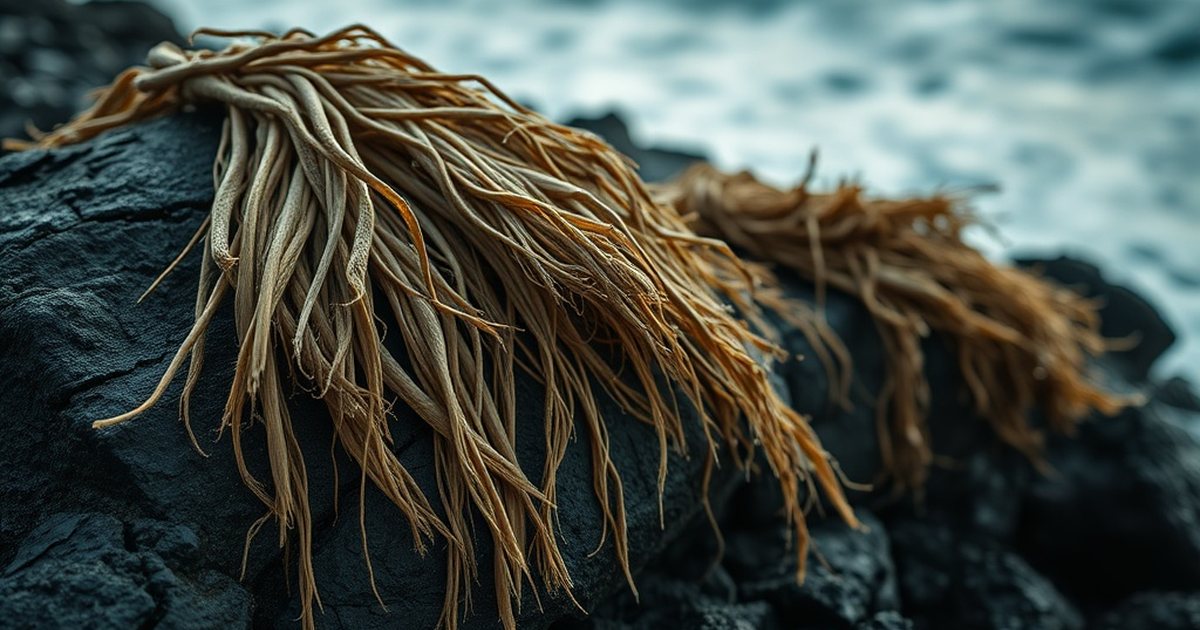
Dr. Sebi recommended Irish moss gel combined with bladderwrack as a daily mineral supplement, often paired with his proprietary herbal compounds. He positioned the blend as a remedy for thyroid imbalance, digestive disorders, and systemic ‘mucus’ accumulation. These claims reflect a vitalistic health framework rather than evidence-based clinical endpoints, and the FDA has not evaluated these products for the treatment, cure, or prevention of any disease.
Nutritional Profile and Proposed Mechanisms
Irish moss is a source of naturally occurring iodine, potassium, calcium, magnesium, and trace minerals, as well as carrageenan-family sulfated polysaccharides. Bladderwrack contributes additional iodine and fucoidan, a sulfated polysaccharide studied in preclinical models for immune modulation and gut barrier support. Proponents argue the combination provides broad-spectrum mineral repletion and prebiotic effects.
However, iodine content in both seaweeds varies dramatically by harvest location, season, and processing — ranging from negligible to levels exceeding the tolerable upper intake level (1,100 mcg/day for adults) in a single serving [1]. This variability makes consistent dosing impossible without batch-specific third-party testing. Excess iodine can trigger or worsen thyroid dysfunction, particularly in individuals with preexisting thyroid conditions, those on levothyroxine, or during pregnancy.

Contamination Risks and Sourcing Realities
Wildcrafted seaweeds accumulate heavy metals — including arsenic, lead, and cadmium — from their marine environment [2]. Unregulated harvest from polluted waters, inadequate rinsing, and lack of post-harvest testing have resulted in contaminated products reaching consumers. Neither Irish moss nor bladderwrack supplements are standardized by any regulatory body; ‘wildcrafted’ and ‘organic’ labels do not guarantee purity.
Reputable suppliers provide certificates of analysis (COAs) from ISO-accredited labs verifying iodine content and heavy metal levels per batch. Consumers should request these documents. The absence of standardization means marketing claims about mineral counts (e.g., ’92 minerals’) cannot be verified and should be treated as promotional language, not nutritional fact.
Modern Commercialization and Cultural Appropriation Concerns
Since the 2010s, Irish moss has surged in global wellness markets — sold as gels, capsules, powders, and skincare — often detached from its Caribbean culinary context. Social media influencers promote it for skin health, weight loss, and ‘detoxification,’ claims unsupported by human clinical trials. This commercialization has raised concerns among Caribbean cultural practitioners about erasure of the drink’s history and exploitation of traditional knowledge without benefit-sharing.
Meanwhile, demand has pressured wild populations. Sustainable aquaculture of Chondrus crispus and Fucus vesiculosus is expanding in Atlantic Canada and Europe, offering more consistent quality and traceability than wild harvest. Consumers seeking authenticity should consider sourcing from Caribbean-owned businesses that maintain traditional preparation methods and transparent supply chains.
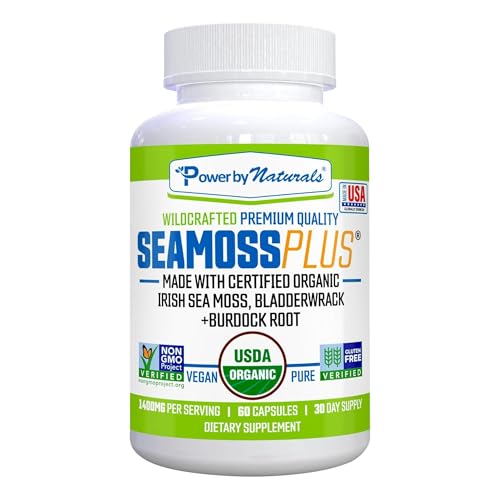
🛒 Where to Buy Sea Moss & Bladderwrack
- CleanseParasites Intra-Cellular Superfood Editor’s Pick
Contains sea moss and bladderwrack alongside black cumin seed and other superfood ingredients. - American Standard Supplements Organic Sea Moss, Bladderwrack & Burdock Root Capsules
capsules, 1200mg sea moss / 1200mg bladderwrack / 225mg burdock root per serving, 120 capsules — High-dose transparent-label blend, vegan, non-GMO, made in USA; clearly stated per-ingredient milligrams rather than a proprietary blend - Secret Element Sea Moss Capsules with Burdock Root, Bladderwrack & Muira Puama
capsules, 120 capsules — Budget-friendly 4-ingredient blend, gluten-free, made in USA - Nutrivein Organic Sea Moss 1600mg with Bladderwrack & Burdock
capsules, 1600mg sea moss per serving plus bladderwrack and burdock — Widely available mid-tier brand, marketed for immune/digestive/thyroid/skin support claims
As an Amazon Associate we earn from qualifying purchases. Quality varies widely — always choose a product with a published third-party test (COA) before buying.
A Note on the Evidence
This article is informational, not medical advice. Human clinical evidence for Irish moss and bladderwrack is limited to iodine/thyroid effects and preliminary fucoidan research; broad wellness claims lack rigorous support. Iodine content varies widely and can harm thyroid function, especially with existing conditions, pregnancy, or levothyroxine use. Heavy metal contamination is a documented risk in unregulated products. Consult a qualified healthcare professional before use.
Frequently Asked Questions
Is Irish moss the same as sea moss?
Yes — ‘sea moss’ is a common marketing term for Chondrus crispus (Irish moss) and sometimes for related species like Gracilaria. True Irish moss is Chondrus crispus; species identity affects mineral and polysaccharide profiles.
Did Dr. Sebi invent the use of Irish moss?
No. Irish moss was used in Ireland during the Great Famine and has been a Caribbean culinary staple since the 19th century. Dr. Sebi popularized it within his alkaline dietary framework in the late 20th century.

Does Irish moss contain 92 minerals?
This specific number comes from Dr. Sebi’s lectures, not from peer-reviewed compositional analysis. Seaweeds do concentrate diverse trace minerals, but exact counts vary by species, harvest site, and testing method.
Can Irish moss help thyroid function?
It provides naturally occurring iodine, which is essential for thyroid hormone synthesis. However, iodine content is highly variable and can exceed safe limits, potentially triggering or worsening thyroid dysfunction. Consult a clinician before using for thyroid support.
Is Irish moss safe during pregnancy?
Not without medical supervision. Excess iodine and potential heavy metal contamination pose risks to fetal development. Pregnant individuals should avoid untested seaweed supplements.
How can I verify a product's safety?
Request a certificate of analysis (COA) from an ISO-accredited lab showing iodine content (mcg/g) and heavy metal levels (arsenic, lead, cadmium, mercury) for the specific batch. Reputable suppliers provide these routinely.
References
- Teas J et al. Variability of iodine content in common commercially available edible seaweeds. Thyroid (2004). PMID 15588380
- Phaneuf D et al. Evaluation of the contamination of marine algae (seaweed) from the St. Lawrence River and likely to be consumed by humans. Environmental Research (1999). PMID 10092431
These statements have not been evaluated by the Food and Drug Administration. This information is not intended to diagnose, treat, cure, or prevent any disease. Content is for informational purposes only and is not medical advice; consult a qualified healthcare provider before starting any supplement. As an Amazon Associate we earn from qualifying purchases.
