Sea moss (Chondrus crispus, also called Irish moss) has become a fixture of wellness shelves and smoothie recipes, often marketed as a near-miraculous mineral supplement. Strip away the marketing and it’s a red seaweed with a genuinely interesting nutritional profile: trace minerals, soluble fiber, and a polysaccharide called carrageenan that gives it its gel-like texture.
This article breaks down what’s actually in sea moss, how its fiber and carrageenan behave in the body, and where the evidence is solid versus where claims outrun the research. No invented statistics or studies are used here, only general, well-established nutritional science about seaweed composition.
Key Takeaways
- Sea moss’s real nutritional profile is trace minerals (notably iodine), soluble fiber, and carrageenan, not a broad cure-all superfood.
- Carrageenan is the polysaccharide responsible for sea moss’s gel texture and acts as a mild soluble fiber source in typical serving sizes.
- Iodine content is highly variable and unlabeled on many products; this matters most for people with thyroid conditions, pregnancy, or those on thyroid medication.
- Sourcing and third-party heavy metal testing matter more than marketing claims, since sea moss can absorb contaminants from its growing waters.
- Typical serving sizes make sea moss a minor contributor to daily fiber and mineral intake, not a replacement for a varied diet.
What's Actually in Sea Moss
Sea moss is a marine red algae that, dried or gelled, is low in calories and contains a mix of trace minerals absorbed from seawater, including iodine, potassium, calcium, magnesium, and smaller amounts of iron, zinc, and manganese. The exact mineral content varies significantly by harvest location, season, and processing method, so any specific numbers on a supplement label reflect that one product, not sea moss as a category.[1]
It also contains a modest amount of protein and a notable fraction of soluble dietary fiber in the form of sulfated polysaccharides, mainly carrageenan. Vitamin content is generally low compared to the mineral and fiber fraction, and sea moss is not a significant source of macronutrient calories the way a whole food like beans or grains is.

Carrageenan: What It Is and Why It's in Sea Moss
Carrageenan is a family of sulfated polysaccharides extracted from red seaweeds like Chondrus crispus. It’s what gives sea moss gel its thick, jelly-like consistency, and it’s the same class of compound used industrially as a thickener and stabilizer in some dairy and plant-milk products.
Carrageenan itself is not digested or absorbed as an energy source; it behaves as a form of soluble fiber that adds bulk and viscosity in the gut. This is distinct from degraded carrageenan (sometimes called poligeenan), which has been studied separately in food-safety contexts and is not the same molecule as the food-grade carrageenan found in sea moss gel or approved food additives.[2]
Fiber Content and Digestive Effects
The soluble fiber in sea moss, largely from carrageenan and related polysaccharides, can have a mild bulking and lubricating effect in the digestive tract, similar to other viscous soluble fibers like those in oats or psyllium.[3] This is the basis for sea moss’s traditional folk use as a soothing agent for digestion.
However, sea moss is typically consumed in small amounts (a tablespoon or two of gel, or a small capsule dose), so its total fiber contribution to a daily diet is modest compared to fiber-dense whole foods like legumes, vegetables, and whole grains. It should be thought of as a minor fiber source, not a primary one.

Iodine: The Mineral That Matters Most
Iodine: The Mineral That Matters Most
Iodine is the standout mineral in sea moss and the one with the most direct physiological relevance, since the thyroid gland requires iodine to produce thyroid hormone. Unlike many of the wellness claims attached to sea moss, iodine’s role in thyroid function is well-established basic physiology, not a speculative benefit.

The complication is that iodine content in sea moss products is highly inconsistent and often unlabeled or underestimated, and unlike a multivitamin, there’s no standard dose.[4][5] Because both too little and too much iodine can disrupt thyroid function, and bladderwrack (Fucus vesiculosus) in particular tends to run very high in iodine, blends containing bladderwrack deserve extra caution rather than being treated as an unambiguously safe mineral boost.
Sourcing and Contamination Risk
Because sea moss is a marine organism, it absorbs whatever is present in the water it grows in, including minerals but also potential contaminants like arsenic, lead, and cadmium, particularly in wildcrafted or unregulated harvests.[6][7] This is not unique to sea moss among seaweeds, but it means product quality varies enormously by source and processing.
Third-party testing for heavy metals is a more meaningful quality signal than harvest-location marketing claims or health claims on packaging. Supplements in this category are not standardized, and the FDA has not evaluated them for treating, curing, or preventing any disease.
🛒 Where to Buy Sea Moss & Bladderwrack
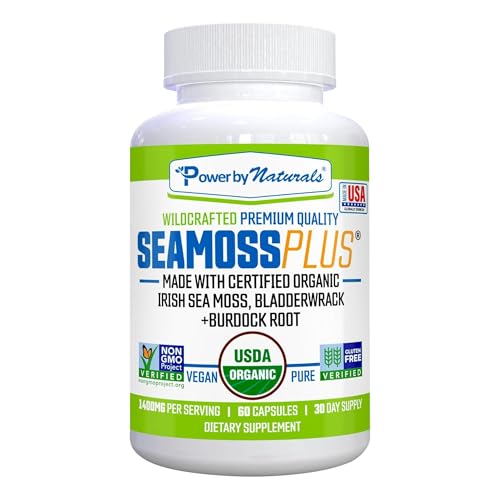
- CleanseParasites Intra-Cellular Superfood Editor’s Pick
Contains sea moss and bladderwrack alongside black cumin seed and other superfood ingredients. - American Standard Supplements Organic Sea Moss, Bladderwrack & Burdock Root Capsules
capsules, 1200mg sea moss / 1200mg bladderwrack / 225mg burdock root per serving, 120 capsules — High-dose transparent-label blend, vegan, non-GMO, made in USA; clearly stated per-ingredient milligrams rather than a proprietary blend - Secret Element Sea Moss Capsules with Burdock Root, Bladderwrack & Muira Puama
capsules, 120 capsules — Budget-friendly 4-ingredient blend, gluten-free, made in USA - Nutrivein Organic Sea Moss 1600mg with Bladderwrack & Burdock
capsules, 1600mg sea moss per serving plus bladderwrack and burdock — Widely available mid-tier brand, marketed for immune/digestive/thyroid/skin support claims
As an Amazon Associate we earn from qualifying purchases. Quality varies widely — always choose a product with a published third-party test (COA) before buying.
A Note on the Evidence
This article is informational, not medical advice; sea moss and bladderwrack supplements are not standardized, iodine content varies widely and can affect thyroid function, and anyone with thyroid conditions, who is pregnant, or taking thyroid medication should consult a doctor before use.
Frequently Asked Questions
Is sea moss a significant source of vitamins?
No. Sea moss’s nutritional value centers on trace minerals and soluble fiber; its vitamin content is comparatively low and shouldn’t be relied on as a primary vitamin source.
Is carrageenan in sea moss the same as the carrageenan in processed foods?
Yes, food-grade carrageenan used as a thickener in some dairy and plant-based products comes from the same red seaweed family as sea moss, including Chondrus crispus.
Can sea moss replace a multivitamin?
No. Its mineral content is inconsistent between batches and products, and it lacks the broad, standardized nutrient profile of a multivitamin.

Why is iodine content in sea moss a concern rather than just a benefit?
Both iodine deficiency and iodine excess can disrupt thyroid function, and sea moss products (especially those blended with bladderwrack) often have unlabeled and highly variable iodine levels, making dosing unpredictable.
Does the fiber in sea moss help with digestion?
The soluble fiber and carrageenan in sea moss can have a mild soothing, bulking effect in the gut, but typical serving sizes are small, so its overall digestive fiber contribution is modest.
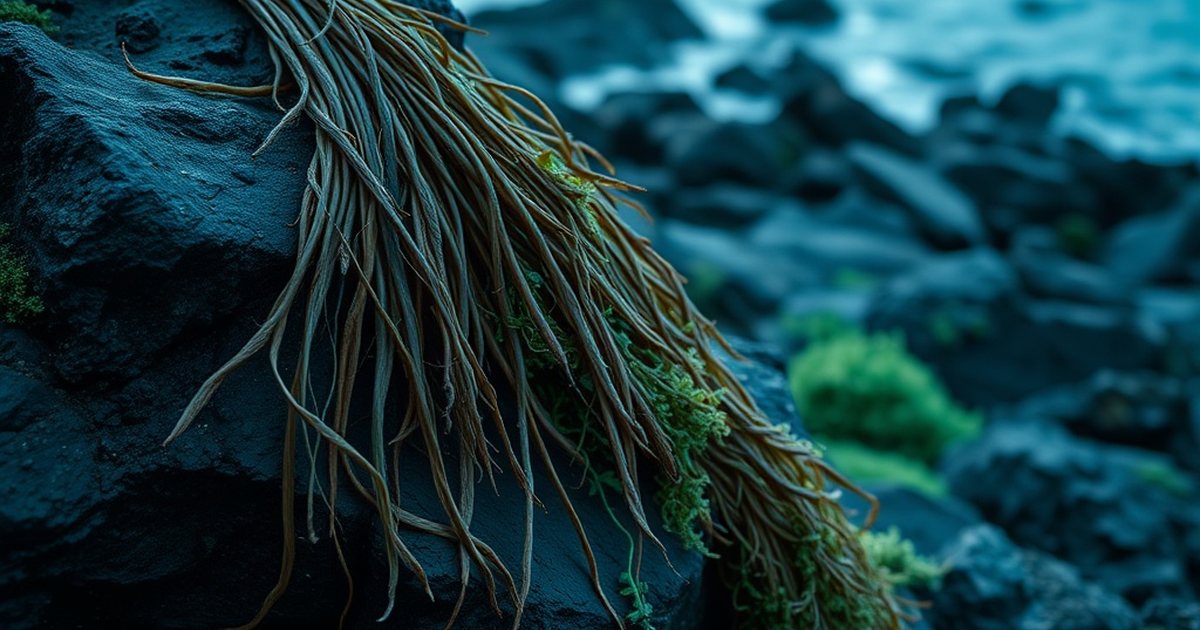
Is wildcrafted sea moss safer than processed supplements?
Not necessarily. Wildcrafted sea moss can carry heavy metal contamination risk depending on harvest waters, so third-party testing is a more reliable safety indicator than a ‘wildcrafted’ label.
References
- Cmikova N et al. Seaweed Nutritional Value and Bioactive Properties: Insights from Ascophyllum nodosum, Palmaria palmata, and Chondrus crispus. Life (Basel) (2024). PMID 39598320
- Younes M et al. Re-evaluation of carrageenan (E 407) and processed Eucheuma seaweed (E 407a) as food additives. EFSA Journal (2018). PMID 32625873
- Lopez-Santamarina A et al. Modulatory effects of red seaweeds (Palmaria palmata, Porphyra umbilicalis and Chondrus crispus) on the human gut microbiota via an in vitro model. Food chemistry (2025). PMID 39987804
- Teas J et al. Variability of iodine content in common commercially available edible seaweeds. Thyroid (2004). PMID 15588380
- Leung AM et al. Consequences of excess iodine. Nature reviews. Endocrinology (2014). PMID 24342882
- Yu Y et al. Survey of arsenic content in edible seaweeds and their health risk assessment. Food and chemical toxicology (2024). PMID 38499235
- Amster E et al. Case report: potential arsenic toxicosis secondary to herbal kelp supplement. Environmental health perspectives (2007). PMID 17450231
These statements have not been evaluated by the Food and Drug Administration. This information is not intended to diagnose, treat, cure, or prevent any disease. Content is for informational purposes only and is not medical advice; consult a qualified healthcare provider before starting any supplement. As an Amazon Associate we earn from qualifying purchases.
