Sea moss (Chondrus crispus, often called Irish moss) shows up constantly in wellness content as a remedy for coughs, congestion, sinus trouble, and “clearing mucus.” The traditional use is real: coastal communities in Ireland and the Caribbean have used sea moss preparations for respiratory complaints for generations, usually as a boiled gel, tea, or added to soups and drinks.
What’s less clear is how much of that tradition holds up under research, and what kind of research even exists. Most of the actual laboratory and clinical work isn’t on sea moss as a whole food or supplement, it’s on carrageenan and related sulfated polysaccharides extracted from red seaweeds, tested in cell cultures, animal models, and a handful of human nasal-spray studies. That’s a meaningfully different thing from drinking a sea moss smoothie, and this article tries to keep that distinction honest.
Key Takeaways
- The strongest respiratory research on carrageenan involves intranasal sprays and sinus washes against rhinovirus, not oral sea moss gel or drinks [1][2][3]
- Other seaweed-derived polysaccharide research (anti-inflammatory, antiviral against SARS-CoV-2 and herpesvirus) is largely lab and animal-model work, not human trials of ingested sea moss [4][5][6]
- Traditional use of sea moss for coughs and congestion predates and exists independently of this molecular research
- No cited study tested drinking or eating sea moss for respiratory symptoms in humans
- Thyroid (iodine) and heavy metal contamination risks apply regardless of why someone is taking sea moss, including for respiratory reasons
What's actually in sea moss that could plausibly affect the respiratory tract
Sea moss gel is largely made of carrageenan, a family of sulfated polysaccharides (including iota-carrageenan) that give the gel its thick, mucilaginous texture. That same texture is the traditional rationale for using it in coughs and sore throats: a soothing, coating substance similar in concept to other mucilage-rich folk remedies.
Separately from the folk-remedy angle, carrageenan has been studied directly as an antiviral and anti-inflammatory compound when delivered to the nasal or respiratory mucosa, largely because of its physical and biochemical interactions with viruses and inflammatory pathways. That research is where most of the credible respiratory evidence sits, not in sea moss as a beverage.

Carrageenan nasal sprays and rhinovirus: the strongest evidence line
The best-supported respiratory application of carrageenan isn’t drinking it, it’s using it intranasally. Iota-carrageenan has been shown in laboratory studies to inhibit rhinovirus infection, the virus responsible for most common colds [1]. This is the mechanistic basis for carrageenan-based nasal sprays that have been marketed in some countries as a way to shorten or reduce cold symptoms.
Safety data on this specific application is also reassuring at the nasal level: a non-clinical safety evaluation of intranasal iota-carrageenan found it to be well tolerated [2], and in vitro work on human nasal epithelial cell monolayers exposed to carrageenan sinus wash likewise found no significant toxicity to the cells [3]. It’s worth being precise here: these studies evaluated a purified, standardized carrageenan preparation delivered directly to nasal tissue, not a food-grade sea moss gel swallowed or blended into a drink. The mechanism of action (physically coating and interfering with viral attachment in the nasal passage) doesn’t translate to something you drink.

Mucus, inflammation, and the pleural/mucosal research
Some of the oldest carrageenan-respiratory research isn’t about infection at all, it’s about how carrageenan affects the sensitivity of respiratory tissue itself. An older animal study looked at mechanoreceptor sensitivity in the respiratory and pleural mucosa during carrageenan-induced pleuritis (an inflammatory condition of the lung lining) [7]. This line of research actually uses carrageenan as a tool to deliberately induce inflammation in lab animals, it’s a standard way scientists study inflammatory processes, not a demonstration that carrageenan itself relieves inflammation when consumed.
On the anti-inflammatory side, extracts from seaweeds native to Jeju Island were shown to inhibit the production of pro-inflammatory mediators in a mouse macrophage cell line [4]. This is cell-culture evidence for an anti-inflammatory effect of certain seaweed compounds in a controlled lab setting, it does not establish that eating sea moss reduces airway inflammation or mucus production in a person.

Put together, this research shows carrageenan-family compounds interact with inflammatory and mucosal processes in measurable ways in cells and animals. It does not show that ingesting sea moss gel changes mucus production, clears congestion, or shortens a respiratory illness in humans.
Antiviral research on related red seaweed polysaccharides
Beyond rhinovirus, sulfated polysaccharides from red seaweeds have been studied against other respiratory-relevant viruses. Polysaccharides extracted from the red algae Halymenia floresii and Solieria chordalis showed anti-SARS-CoV-2 activity in laboratory testing [5]. Separately, cytokine expression was studied in mice infected intranasally with variants of Herpes simplex virus type 1, examining how the immune response in respiratory-adjacent tissue is altered during infection [6].
These are legitimate, interesting lines of antiviral and immunological research into seaweed-derived compounds. They are lab and animal-model findings, not evidence that a human drinking sea moss gel will be protected from or recover faster from a respiratory virus. None of this research was conducted on sea moss consumed as food, and none of it involved human clinical trials of oral sea moss for respiratory illness.
Why oral sea moss and intranasal carrageenan are not interchangeable
The single most important gap between the marketing and the science is delivery route. The strongest, most direct respiratory evidence [1][2][3] is about carrageenan sprayed or washed directly onto nasal and sinus tissue, where it can physically interact with the mucosal surface and any virus sitting on it. Swallowed sea moss gel travels through the digestive tract; there is no research demonstrating it delivers carrageenan to the respiratory mucosa in a way that reproduces the nasal-spray findings.
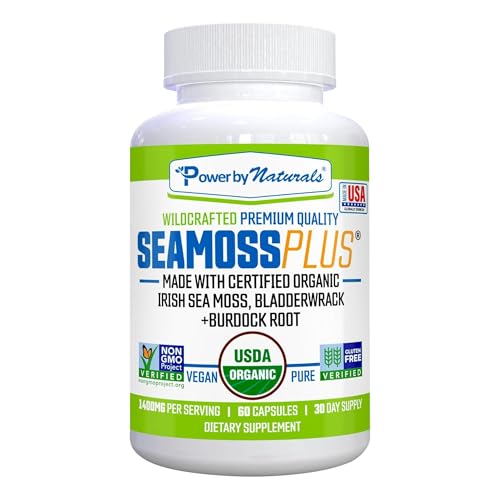
So the honest summary is: carrageenan as a molecule has real, published respiratory research behind it, mostly for nasal/topical antiviral use and as a tool for studying inflammation. Sea moss as a food or drink borrows the reputation of that molecule without having its own body of human evidence for treating coughs, clearing mucus, or supporting lung health.

Safety considerations specific to respiratory use
If someone is drawn to sea moss for cold or congestion symptoms, the bigger practical risks aren’t respiratory, they’re the general sea moss risks: unregulated products with variable iodine content that can disrupt thyroid function, and contamination risk from heavy metals (arsenic, lead, cadmium) in wildcrafted or poorly processed batches. Reaching for sea moss during a cold is unlikely to cause direct respiratory harm, but it’s also not a substitute for evidence-based cold and flu care, and blends heavy in bladderwrack carry the added iodine/thyroid concern regardless of the reason someone is taking them.
🛒 Where to Buy Sea Moss & Bladderwrack
- CleanseParasites Intra-Cellular Superfood Editor’s Pick
Contains sea moss and bladderwrack alongside black cumin seed and other superfood ingredients. - American Standard Supplements Organic Sea Moss, Bladderwrack & Burdock Root CapsulesLab-tested / studied
capsules, 1200mg sea moss / 1200mg bladderwrack / 225mg burdock root per serving, 120 capsules — High-dose transparent-label blend, vegan, non-GMO, made in USA; clearly stated per-ingredient milligrams rather than a proprietary blend - Secret Element Sea Moss Capsules with Burdock Root, Bladderwrack & Muira Puama
capsules, 120 capsules — Budget-friendly 4-ingredient blend, non-GMO, gluten-free, made in USA - Nutrivein Organic Sea Moss 1600mg with Bladderwrack & Burdock
capsules, 1600mg sea moss per serving plus bladderwrack and burdock — Widely available mid-tier brand, marketed for immune/digestive/thyroid/skin support claims
As an Amazon Associate we earn from qualifying purchases. Quality varies widely — always choose a product with a published third-party test (COA) before buying.

A Note on the Evidence
Most of the carrageenan/seaweed research cited here is laboratory, cell-culture, or animal-model work, or involves intranasal (not oral) delivery, so it should not be read as proof that eating or drinking sea moss treats respiratory symptoms. This is informational, not medical advice; talk to a doctor before using sea moss for any health condition, especially if you have thyroid disease, are pregnant, or take thyroid medication.
Frequently Asked Questions
Does drinking sea moss gel clear mucus or congestion?
There’s no human clinical evidence that ingested sea moss reduces mucus or congestion. The research that exists on carrageenan and respiratory infection used intranasal delivery, not oral consumption [1][2].
Is the carrageenan in sea moss the same as in nasal spray studies?
Chemically related, but not used the same way. The nasal spray and sinus wash research applied purified iota-carrageenan directly to nasal tissue [2][3], which is a different exposure than swallowing sea moss gel.
Can sea moss help with a cold or the flu?
There’s no clinical trial evidence for oral sea moss treating colds or flu. Related lab research on carrageenan and antiviral seaweed compounds is promising for future formulations like nasal sprays, but it doesn’t support drinking sea moss as a treatment [1][5].

Are carrageenan nasal sprays proven to work in people?
The evidence for iota-carrageenan against rhinovirus is strong at the laboratory level [1], and safety studies on intranasal use are reassuring [2][3]. This article isn’t reviewing specific commercial nasal spray products, just the underlying research on the compound.
Why do people associate sea moss with lung and respiratory health at all?
Partly tradition, sea moss has long been used in coughs and colds remedies, and partly a halo effect from unrelated carrageenan research being applied to sea moss marketing generally, even though most of that research doesn’t involve oral sea moss.
Is sea moss safe to take during a respiratory illness?
It’s unlikely to cause direct harm respiratorily, but it’s not a substitute for evidence-based care, and the standard sea moss concerns (iodine content, thyroid effects, heavy metal contamination in unregulated products) still apply. Anyone with thyroid disease, who is pregnant, or on thyroid medication should be cautious regardless of the reason for taking it.

References
- Grassauer A et al. Iota-Carrageenan is a potent inhibitor of rhinovirus infection. Virology journal (2008). PMID 18817582
- Hebar A et al. Non-clinical safety evaluation of intranasal iota-carrageenan. PloS one (2015). PMID 25875737
- Ramezanpour M et al. In vitro safety evaluation of human nasal epithelial cell monolayers exposed to carrageenan sinus wash. International forum of allergy & rhinology (2017). PMID 29024522
- Yang EJ et al. Inhibitory effect of Jeju endemic seaweeds on the production of pro-inflammatory mediators in mouse macrophage cell line RAW 264.7. Journal of Zhejiang University. Science. B (2010). PMID 20443209
- Jousselin C et al. Anti-SARS-CoV-2 Activity of Polysaccharides Extracted from Halymenia floresii and Solieria chordalis (Rhodophyta). Marine drugs (2023). PMID 37367673
- Carolina Artuso M et al. Altered expression of cytokines in mice infected intranasally with two syncytial variants of Herpes simplex virus type 1. Microbial pathogenesis (2014). PMID 24768928
- Giacová D et al. [Mechanoreceptor sensitivity in the mucosa of the respiratory tract and pleura in cats with carrageenan pleuritis]. Bratislavske lekarske listy (1987). PMID 3828847
These statements have not been evaluated by the Food and Drug Administration. This information is not intended to diagnose, treat, cure, or prevent any disease. Content is for informational purposes only and is not medical advice; consult a qualified healthcare provider before starting any supplement. As an Amazon Associate we earn from qualifying purchases.
