Sea moss (Chondrus crispus) and bladderwrack (Fucus vesiculosus) are marketed as mineral-dense superfoods, but their ability to concentrate elements from seawater means they can also accumulate toxic heavy metals — particularly arsenic, lead, and cadmium. Regulatory oversight of these supplements is limited, and iodine content varies widely, creating additional risks for people with thyroid conditions.
Most wellness claims about sea moss rely on traditional use and theoretical nutrient profiles rather than human clinical trials. The peer-reviewed literature on heavy metal contamination in these specific species is sparse, and what exists focuses largely on arsenic speciation in broader edible seaweed categories rather than sea moss specifically. This article summarizes what little direct evidence exists and highlights where data is missing.
Key Takeaways
- One relevant arsenic speciation study covers commercial edible seaweeds [1], and it analyzed Chondrus crispus (sea moss) but not bladderwrack (Fucus vesiculosus).
- No published peer-reviewed data quantify lead or cadmium in commercial sea moss or bladderwrack supplements, nor compare contamination across harvest regions.
- Arsenic speciation matters: total arsenic overstates risk if most is present as arsenosugars, but sea moss-specific speciation is unknown.
- Third-party lot-specific certificates of analysis (with inorganic arsenic, lead, cadmium, mercury) are the only reliable way to assess a given product’s contamination level.
- People with thyroid conditions, pregnant individuals, and those on thyroid medication should be especially cautious due to unpredictable iodine content compounding heavy metal risks.
Arsenic in Edible Seaweeds: What One Key Study Found
A 2011 study analyzed water-soluble arsenic compounds in commercial edible seaweeds using liquid chromatography coupled with inductively coupled plasma mass spectrometry (LC-ICPMS) [1]. The researchers identified several arsenic species, including arsenosugars — organic arsenic compounds that dominate in many marine algae — as well as smaller amounts of inorganic arsenic, which is the more toxic form. The study demonstrated that speciation matters: total arsenic content alone does not indicate risk, because arsenosugars are considered far less toxic than inorganic arsenic.
Importantly, this study examined commercial edible seaweeds broadly (including nori, wakame, kombu, and hijiki) rather than Chondrus crispus or Fucus vesiculosus specifically. The arsenic speciation profile can differ significantly between red algae (like sea moss) and brown algae (like bladderwrack or kombu). Without species-specific speciation data for sea moss, it is not possible to extrapolate these findings directly to the products sold as “Irish moss” or “wildcrafted sea moss” today.
The Critical Gap: Limited Speciation Data for Chondrus crispus Supplements and Fucus vesiculosus
Despite the popularity of sea moss and bladderwrack supplements, a search of the biomedical literature reveals no peer-reviewed studies that have characterized arsenic speciation — or quantified lead and cadmium — specifically in Chondrus crispus or Fucus vesiculosus products sold as dietary supplements. The 2011 study [1] remains the most relevant arsenic speciation data for edible seaweeds generally, but it analyzed edible seaweed rather than supplement products and did not include Fucus vesiculosus.

This absence of species-specific data is a significant evidence gap. Red and brown algae differ in their cell wall polysaccharides (carrageenan vs. alginate/fucoidan), mineral uptake pathways, and typical harvest environments. These biological and ecological differences likely affect heavy metal accumulation patterns, but no published research has quantified them for the exact species and product forms consumers purchase.
Why Harvest Region Matters — and Why We Lack Data
Seaweeds are bioaccumulators: their heavy metal content reflects the water column, sediment, and local industrial inputs where they grow. Arsenic, lead, and cadmium levels can vary by orders of magnitude between pristine coastal waters and areas near mining, smelting, or urban runoff. In theory, harvest region should be a primary determinant of contamination risk.
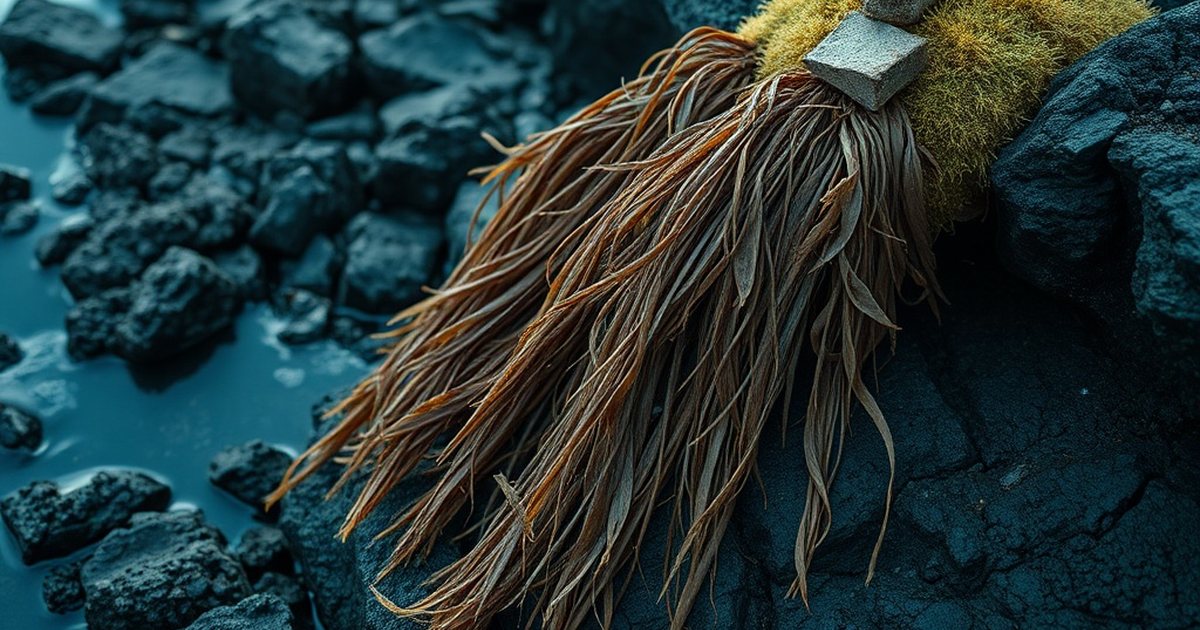
In practice, most commercial sea moss products do not disclose harvest coordinates, water quality testing, or whether the material is wildcrafted versus aquacultured. No published studies have systematically compared heavy metal loads in Chondrus crispus or Fucus vesiculosus across different harvest regions. Marketing claims about “clean waters” or “pristine shores” are not backed by publicly available, third-party analytical data in the scientific literature.
Lead and Cadmium: Theoretical Risks Without Species-Specific Evidence
Lead and cadmium are non-essential toxic metals that seaweeds can absorb from seawater and sediment. Chronic exposure to either metal poses health risks — lead affects neurological development and cardiovascular function, while cadmium accumulates in kidneys and bone. Regulatory bodies including the FDA, EFSA, and WHO have set maximum limits for these metals in seaweed foods, but enforcement for dietary supplements is inconsistent.
No peer-reviewed studies have measured lead or cadmium concentrations specifically in commercial Chondrus crispus or Fucus vesiculosus supplements. The 2011 arsenic speciation study [1] did not report lead or cadmium data. Without such measurements, any statement about typical lead or cadmium levels in sea moss products would be speculative. Consumers should assume variability is high and request certificates of analysis from manufacturers.

Processing Methods and Their Unknown Effects on Metal Bioaccessibility
Sea moss is sold raw (sun-dried), as gels, powders, capsules, and in blended formulas with bladderwrack and burdock root. Processing — washing, soaking, boiling, drying, milling — may alter heavy metal speciation and bioaccessibility (the fraction released during digestion). For example, soaking and discarding water can reduce water-soluble arsenic species, but may also leach beneficial minerals.
No published research has evaluated how common sea moss preparation methods affect arsenic, lead, or cadmium bioaccessibility in Chondrus crispus. The 2011 study [1] analyzed water-soluble arsenic extracts from commercial seaweeds as-sold, not after home preparation. This represents another evidence gap for consumers trying to reduce exposure through kitchen practices.
Regulatory Context and What "Third-Party Tested" Should Mean
In the United States, sea moss supplements fall under DSHEA (Dietary Supplement Health and Education Act of 1994). Manufacturers are responsible for safety but are not required to prove it before marketing. The FDA can act only after a product is shown to be adulterated or misbranded. No FDA guidance specifies heavy metal limits for sea moss specifically; some manufacturers reference Proposition 65 (California) or AHPA (American Herbal Products Association) limits for botanicals.
A meaningful certificate of analysis (CoA) for sea moss should report: (1) total arsenic, inorganic arsenic (speciated), lead, cadmium, and mercury; (2) results per serving and per kilogram; (3) the analytical method (e.g., ICP-MS with speciation for arsenic); (4) the laboratory’s ISO accreditation; and (5) the lot number matching the product. Without species-specific regulatory standards, consumers must rely on transparent manufacturers who publish lot-specific CoAs — a practice that remains uncommon in the sea moss market.
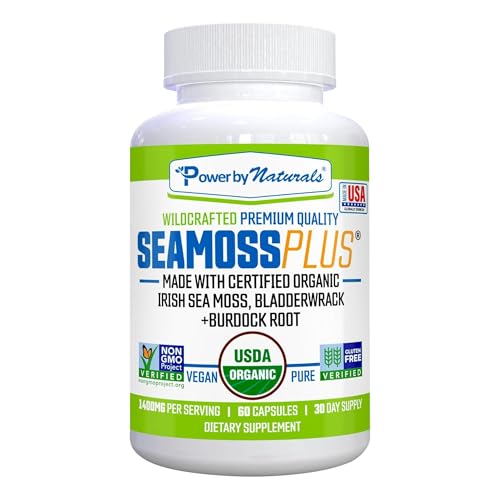
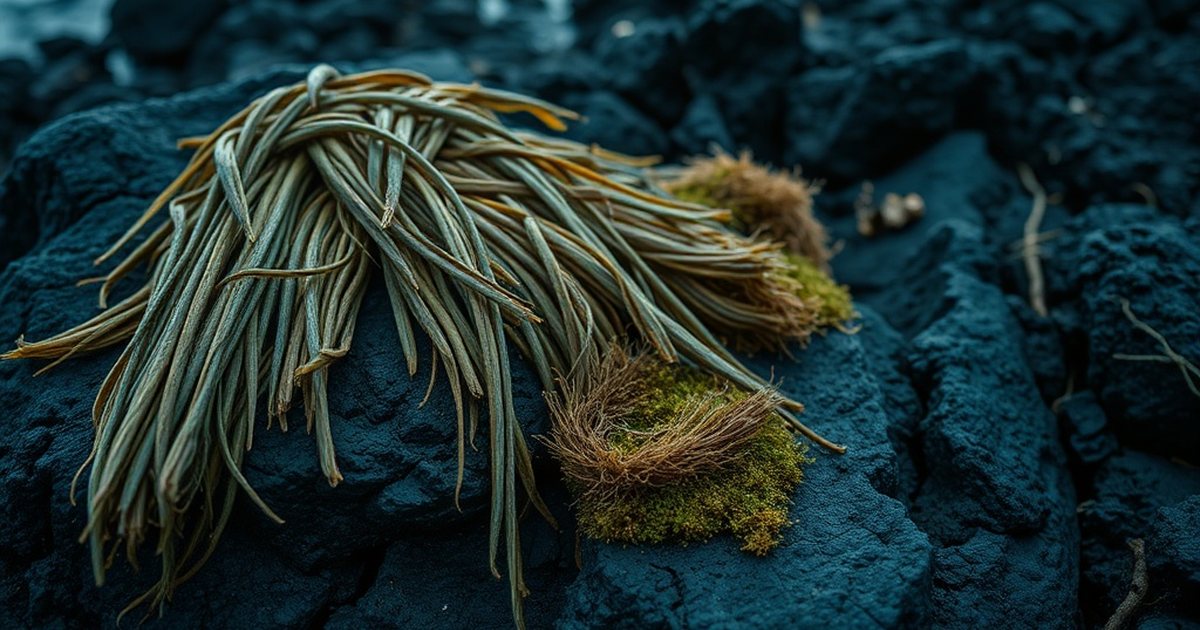
🛒 Where to Buy Sea Moss & Bladderwrack
- CleanseParasites Intra-Cellular Superfood Editor’s Pick
Contains sea moss and bladderwrack alongside black cumin seed and other superfood ingredients. - American Standard Supplements Organic Sea Moss, Bladderwrack & Burdock Root Capsules
capsules, 1200mg sea moss / 1200mg bladderwrack / 225mg burdock root per serving, 120 capsules — High-dose transparent-label blend, vegan, non-GMO, made in USA; clearly stated per-ingredient milligrams rather than a proprietary blend - Secret Element Sea Moss Capsules with Burdock Root, Bladderwrack & Muira Puama
capsules, 120 capsules — Budget-friendly 4-ingredient blend, gluten-free, made in USA - Nutrivein Organic Sea Moss 1600mg with Bladderwrack & Burdock
capsules, 1600mg sea moss per serving plus bladderwrack and burdock — Widely available mid-tier brand, marketed for immune/digestive/thyroid/skin support claims
As an Amazon Associate we earn from qualifying purchases. Quality varies widely — always choose a product with a published third-party test (COA) before buying.
A Note on the Evidence
The evidence base for heavy metals in sea moss is extremely limited: one arsenic speciation study on edible seaweeds, including Chondrus crispus [1], zero studies on lead/cadmium in Chondrus crispus or Fucus vesiculosus supplements, and no harvest-region comparisons. This article reflects those gaps, not safety assurance. Consult a clinician before using sea moss, especially with thyroid conditions, pregnancy, or kidney disease.
Frequently Asked Questions
Does sea moss contain dangerous levels of arsenic?
We don’t know. One speciation study on commercial edible seaweeds [1] found that arsenosugars were the most abundant arsenic compounds in the seaweeds it analyzed, which included Chondrus crispus. Total arsenic varied widely between the seaweeds analyzed, so risk for a given product cannot be assessed without testing.
Is wildcrafted sea moss safer than farmed?
No evidence supports either claim. Contamination depends on water quality at the harvest site, not the cultivation method. Neither wildcrafted nor farmed products routinely publish harvest-region heavy metal data.

Can soaking or boiling sea moss remove heavy metals?
Soaking may reduce water-soluble arsenic species (like arsenosugars), but no studies have tested this specifically for Chondrus crispus. Lead and cadmium are less water-soluble and unlikely to be removed by soaking alone.
Are blended sea moss/bladderwrack products higher risk?
Potentially, because bladderwrack (Fucus vesiculosus) is a brown alga with different uptake patterns, and blends compound the lack of species-specific data. No studies have compared single-species vs. blended products for heavy metals.
What should I look for on a certificate of analysis?
Inorganic arsenic (speciated), lead, cadmium, mercury — all reported per serving and per kg, with method (ICP-MS), lab accreditation, and matching lot number. Total arsenic alone is insufficient.
Who should avoid sea moss supplements?
People with thyroid disorders (hyper- or hypothyroidism), those on levothyroxine, pregnant or breastfeeding individuals, and anyone with kidney disease — due to combined iodine variability and heavy metal uncertainty.
References
- Llorente-Mirandes T et al. Determination of water-soluble arsenic compounds in commercial edible seaweed by LC-ICPMS. Journal of agricultural and food chemistry (2011). PMID 22082352
These statements have not been evaluated by the Food and Drug Administration. This information is not intended to diagnose, treat, cure, or prevent any disease. Content is for informational purposes only and is not medical advice; consult a qualified healthcare provider before starting any supplement. As an Amazon Associate we earn from qualifying purchases.
