Sea moss (Chondrus crispus, also called Irish moss) and bladderwrack (Fucus vesiculosus) are two edible seaweeds that have gained popularity as dietary supplements. Both are marketed for their mineral density, particularly iodine, and for polysaccharides such as carrageenan and fucoidan that are claimed to support gut health and immunity.
While traditional use and anecdotal reports suggest benefits, human clinical data are limited. This article outlines the key differences between the two algae, explains what the existing research actually shows, notes safety considerations, and compares them briefly to shilajit to contextualize their proposed mechanisms.
Key Takeaways
- Sea moss (red algae) is lower in iodine but provides carrageenan; bladderwrack (brown algae) is a variable, often rich source of iodine and fucoidan.
- Clinical evidence for thyroid or gut health benefits is limited; most data are preclinical or observational.
- Safety hinges on iodine dosage (especially for bladderwrack) and potential heavy‑metal contamination, making third‑party testing essential.
- Shilajit’s proposed mechanisms (fulvic/humic acids, dibenzo‑alpha‑pyrones) differ from the algae’s iodine‑ and polysaccharide‑based actions, and its human evidence is also early.
- Choose transparently sourced, tested products, use modest amounts in food, and seek medical advice if you have thyroid conditions or are on medication.
What Are Sea Moss and Bladderwrack?
Sea moss is a red algae (Rhodophyta) that grows along the rocky Atlantic coasts of Europe and North America. It is harvested, dried, and often sold as a gel or powder. Its common name “Irish moss” reflects its historical use in Irish cuisine as a thickening agent for soups and desserts.
Bladderwrack is a brown algae (Phaeophyceae) found in the intertidal zones of the North Atlantic and Pacific Oceans. It is characterized by air-filled bladders that help it float, and it has been used traditionally in European folk medicine, particularly as a source of iodine.
Both algae are consumed whole or as extracts, but their taxonomic differences lead to distinct biochemical profiles, which influence the nutrients and bioactive compounds they provide.
Nutrient and Polysaccharide Composition
Sea moss is rich in carrageenan, a sulfated polysaccharide used as a food thickener, and contains modest amounts of iodine, potassium, calcium, and magnesium. Its protein content is low, but it provides a range of trace minerals that vary with harvest location and processing.

Bladderwrack contains higher and more variable levels of iodine due to its ability to concentrate this element from seawater. Its primary polysaccharide is fucoidan, a sulfated fucan that has been studied for potential immunomodulatory and anticoagulant activities. Bladderwrack also supplies alginates, mannitol, and various vitamins.
Because iodine content in bladderwrack can fluctuate widely, supplements may deliver anywhere from deficient to excessive amounts, which is a key consideration for thyroid health.
Proposed Health Effects and the Evidence Base
Advocates suggest that the iodine in bladderwrack supports thyroid hormone synthesis, while the carrageenan and fucoidan in both seaweeds may act as prebiotic fibers, fostering beneficial gut bacteria. Some claim anti‑inflammatory or antioxidant effects from polyphenols and pigments present in the algae.
Human clinical trials specifically examining sea moss or bladderwrack for thyroid outcomes are scarce. Most evidence for bladderwrack’s iodine effect comes from observational studies of dietary iodine intake, not from supplementation trials. Fucoidan research is largely preclinical (cell culture or animal models), with limited data on bioavailability in humans.
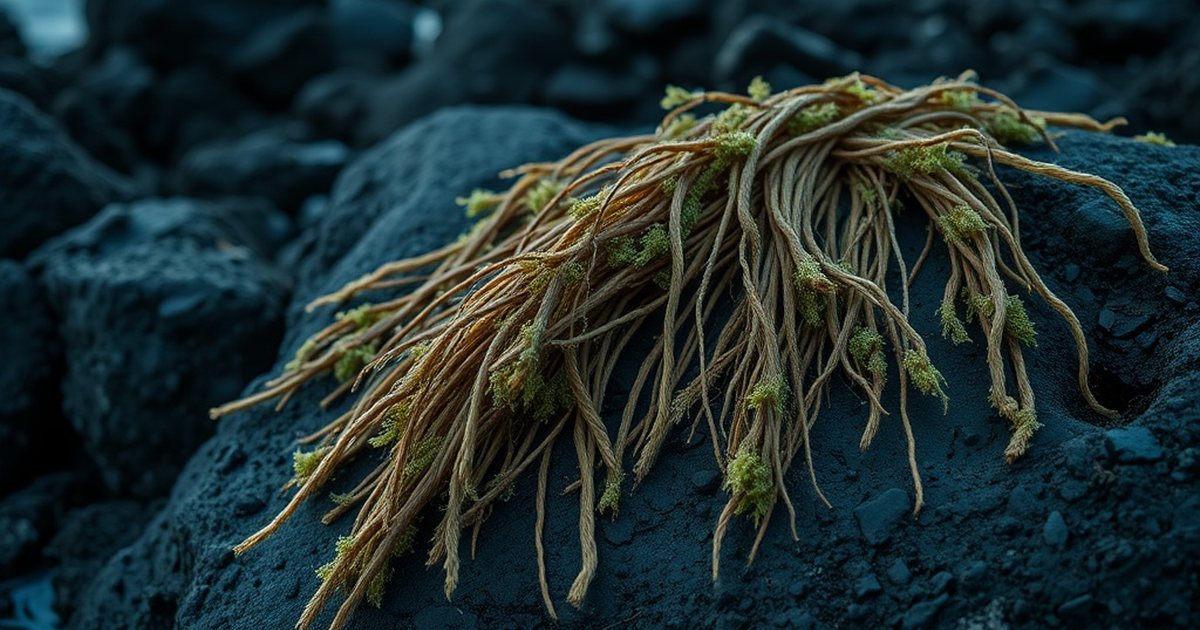
A 2014 study examined the microbial communities living on different macroalgae and found that red and brown seaweeds host distinct Planctomycetes populations, indicating that the algae’s surface ecology varies by taxon【PMID 24266389】. This finding underscores that the biological activity of seaweeds is influenced not only by their own chemistry but also by associated microbes, though direct health implications remain unclear.
Safety, Contamination, and Dosage Considerations
The main safety concern with bladderwrack is iodine excess, which can precipitate or worsen hyperthyroidism or hypothyroidism, especially in individuals with underlying thyroid disease, those who are pregnant, or people taking levothyroxine. Sea moss generally contains lower iodine, but its mineral profile still warrants moderation.

Both seaweeds can accumulate heavy metals such as arsenic, lead, and cadmium from polluted waters. Unregulated wild‑harvested products have shown variable contamination levels, making third‑party testing for heavy metals and microbiological safety a critical factor when choosing a supplement.
Because supplements are not standardized, serving sizes differ widely between brands. Consumers should look for products that disclose iodine content per dose and have undergone independent purity testing, and they should start with low amounts to assess tolerance.
How Do These Seaweeds Compare to Shilajit?
Shilajit is a mineral‑rich exudate from mountainous rock formations, often highlighted for its fulvic and humic acids, dibenzo‑alpha‑pyrones, and trace minerals. Proposed mechanisms include mitochondrial support, antioxidant activity, and modulation of inflammatory pathways. However, most shilajit research consists of small animal or cell‑culture studies, and human clinical evidence remains preliminary.
Unlike sea moss and bladderwrack, shilajit does not provide significant iodine or the specific polysaccharides carrageenan and fucoidan. Its purported benefits stem from organic acids and mineral complexes rather than iodine‑dependent thyroid support. Consequently, the two algae and shilajit target different physiological niches, and combining them does not produce a synergistic effect that is currently supported by robust data.
Given the early stage of evidence for all three supplements, consumers should view any health claims as tentative and prioritize a balanced diet and medical guidance over reliance on any single product.
Practical Tips for Selection and Use
When selecting a sea moss or bladderwrack product, verify the source: look for cultivated or sustainably wild‑harvested algae with clear labeling of scientific name, harvest location, and processing method. Prefer brands that provide a certificate of analysis showing low heavy‑metal levels and, for bladderwrack, quantified iodine content per serving.
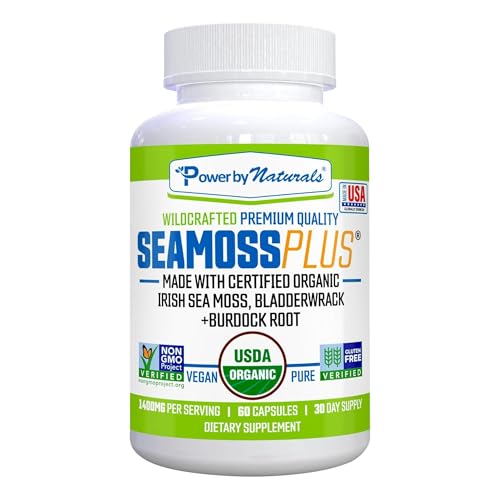
Incorporate the algae into foods rather than taking large isolated doses: sea moss gel can be blended into smoothies, while bladderwrack powder can be sprinkled in soups or teas. This approach dilutes potential excess iodine and provides a matrix of nutrients that may improve tolerability.
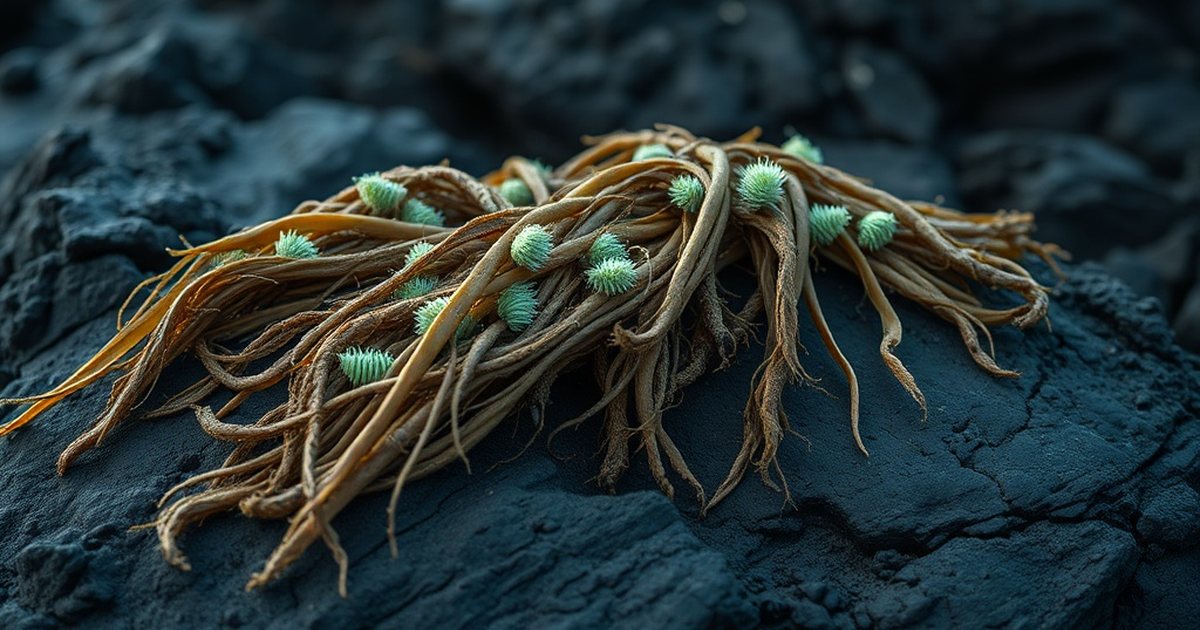
Finally, consult a healthcare professional before starting regular use, especially if you have thyroid disorders, are pregnant or nursing, or are taking medications that interact with iodine or mineral supplements. Discontinue use if you experience adverse symptoms such as gastrointestinal upset, rash, or changes in energy levels.
🛒 Where to Buy Sea Moss & Bladderwrack
- CleanseParasites Intra-Cellular Superfood Editor’s Pick
Contains sea moss and bladderwrack alongside black cumin seed and other superfood ingredients. - American Standard Supplements Organic Sea Moss, Bladderwrack & Burdock Root Capsules
capsules, 1200mg sea moss / 1200mg bladderwrack / 225mg burdock root per serving, 120 capsules — High-dose transparent-label blend, vegan, non-GMO, made in USA; clearly stated per-ingredient milligrams rather than a proprietary blend - Secret Element Sea Moss Capsules with Burdock Root, Bladderwrack & Muira Puama
capsules, 120 capsules — Budget-friendly 4-ingredient blend, gluten-free, made in USA - Nutrivein Organic Sea Moss 1600mg with Bladderwrack & Burdock
capsules, 1600mg sea moss per serving plus bladderwrack and burdock — Widely available mid-tier brand, marketed for immune/digestive/thyroid/skin support claims
As an Amazon Associate we earn from qualifying purchases. Quality varies widely — always choose a product with a published third-party test (COA) before buying.
A Note on the Evidence
Human research on sea moss and bladderwrack is limited, and iodine content in bladderwrack can be unpredictable; individuals with thyroid disease, pregnant or nursing women, and those on thyroid medication should consult a clinician before use. Supplements are not substitutes for a varied diet or medical treatment.
Frequently Asked Questions
Does sea moss contain iodine?
Sea moss contains some iodine, but typically at lower and more consistent levels than bladderwrack. The exact amount depends on the species, harvest site, and processing, so checking the product label for iodine content is advisable.

Can bladderwrack help with thyroid function?
Bladderwrack can supply iodine, which is required for thyroid hormone synthesis, but its iodine content varies widely and excessive intake may disrupt thyroid function. Human studies specifically testing bladderwrack supplements for thyroid outcomes are lacking.
Are the polysaccharides in these seaweeds proven to improve gut health?
Carrageenan from sea moss and fucoidan from bladderwrack have shown prebiotic‑like effects in laboratory studies, but robust human trials demonstrating improved gut microbiota or digestive symptoms are not yet available.
Is there a risk of heavy metal contamination in these supplements?
Yes, both seaweeds can absorb arsenic, lead, cadmium, and other metals from their growth waters. Unregulated wild‑harvested products have shown variable contamination, so selecting brands that provide third‑party heavy‑metal testing reduces this risk.
How do sea moss and bladderwrack differ from shilajit in terms of active compounds?
Sea moss and bladderwrack provide iodine and specific sulfated polysaccharides (carrageenan, fucoidan), whereas shilajit delivers fulvic and humic acids, dibenzo‑alpha‑pyrones, and a broad mineral profile. Their proposed mechanisms of action therefore target different biological pathways.
Should I take these seaweeds every day?
Daily use is not universally recommended due to the potential for iodine excess (especially with bladderwrack) and lack of long‑term safety data. Moderate, occasional use in food form, guided by product labeling and professional advice, is a more prudent approach.
References
- Bondoso J et al. Community composition of the Planctomycetes associated with different macroalgae. FEMS microbiology ecology (2014). PMID 24266389
These statements have not been evaluated by the Food and Drug Administration. This information is not intended to diagnose, treat, cure, or prevent any disease. Content is for informational purposes only and is not medical advice; consult a qualified healthcare provider before starting any supplement. As an Amazon Associate we earn from qualifying purchases.
