Sea moss (Chondrus crispus, sometimes sold interchangeably with related red seaweeds) has become a popular smoothie add-in, largely on claims that it ‘boosts energy’ by delivering dozens of trace minerals. The marketing usually implies something specific and fast, more energy within days. The more accurate story is less dramatic: sea moss contains minerals like iodine, iron, magnesium, and potassium that are genuinely involved in energy metabolism, but there is no clinical research showing sea moss itself, as a whole food or supplement, increases energy levels in humans.
This piece separates what’s known about these individual minerals and energy-related physiology from what’s simply implied by sea moss marketing. The goal is to explain the biology honestly, not to dismiss the food or oversell it.
Key Takeaways
- Sea moss contains iodine, iron, and magnesium, all genuinely involved in energy metabolism, but there is no clinical research showing sea moss itself raises energy levels in humans
- Micronutrient research on energy and fatigue is mostly about correcting deficiency, not boosting energy in people who are already adequately nourished [1]
- Iodine’s effect on thyroid function is the most plausible mechanism, but unstandardized iodine content makes sea moss a real risk for thyroid dysfunction, especially with pregnancy, existing thyroid conditions, or levothyroxine use
- Unregulated, wildcrafted sea moss can carry heavy metal contamination risk depending on harvest waters and processing; third-party testing matters more than energy claims
- This is informational content, not medical advice, talk to a doctor before adding sea moss if you have a thyroid condition or take thyroid medication
Why 'minerals for energy' is technically true but often oversold
At the cellular level, ‘energy’ mostly means ATP production in mitochondria, and this process genuinely depends on adequate micronutrient status. Deficiencies in iron, magnesium, B vitamins, and other micronutrients are linked to fatigue and impaired cognitive and physical performance, and correcting a real deficiency can restore normal energy and function [1]. Micronutrients also play a broader structural and functional role in the nervous system, supporting the metabolic processes that keep neurons and brain tissue working normally [2].
The key qualifier is ‘if you’re deficient.’ Research on vitamins and minerals for energy and fatigue consistently frames benefits in terms of correcting insufficiency, not as a general stimulant effect for people who are already adequately nourished [1]. Sea moss marketing tends to skip that qualifier, implying that adding a mineral-dense food to an already-sufficient diet will produce a noticeable energy lift. That’s a much weaker claim, and it isn’t supported by direct evidence on sea moss.

Iodine and thyroid function: the most plausible mechanism, and the biggest risk
Of all the ‘energy’ claims made about sea moss, the iodine-thyroid connection has the most physiological basis. Thyroid hormone is a central regulator of metabolic rate, and both an underactive and overactive thyroid can change how tired or energized a person feels. Iodine is a required raw material for thyroid hormone synthesis, so iodine status genuinely affects thyroid function.
But this is a double-edged mechanism. Sea moss and especially bladderwrack are not standardized for iodine content, it varies widely by species, harvest location, and processing. Getting too much iodine from an unregulated seaweed product can push thyroid hormone production in the wrong direction, causing or worsening thyroid dysfunction, particularly in people with existing thyroid conditions, during pregnancy, or in anyone taking levothyroxine. In other words, the same mechanism that could theoretically support energy in a genuinely iodine-deficient person can just as easily destabilize thyroid function in someone who isn’t deficient, or who gets an inconsistent, high dose from a poorly tested product. This is not a mechanism to self-experiment with casually.

Iron and physical performance
Iron status is another mineral pathway with real evidence behind it, particularly in the context of physical performance. Research in athletes shows that iron status affects oxygen transport and physical performance capacity, and that correcting iron deficiency can improve measurable performance outcomes [3].
Sea moss does contain iron, but the amount and its bioavailability from a seaweed-based food or supplement have not been established through the kind of controlled research done on iron-rich foods or supplements more broadly. Someone who is iron-deficient may see benefits from adequate iron intake generally, but that’s a statement about iron, not a validated statement about sea moss as an iron source specifically.

Magnesium's role in cellular energy metabolism
Magnesium is a cofactor in hundreds of enzymatic reactions, including those central to ATP production and use, and a comprehensive review of its role in health describes magnesium as vital to normal cellular energy metabolism and broader physiological function [4]. Low magnesium status has been associated with fatigue-related symptoms in the literature on vitamins, minerals, and energy [1].
Sea moss does supply some magnesium along with its other minerals, but as with iron, there’s no dedicated research quantifying how much magnesium a typical serving delivers or whether that amount is enough to meaningfully change magnesium status in someone eating a normal diet. The plausible mechanism exists at the level of magnesium itself, not at the level of validated sea moss research.
What sea moss marketing claims that the evidence doesn't support
Much of the social-media case for sea moss and energy relies on the idea that a ‘mineral-dense superfood’ will produce noticeable, fast energy gains simply by adding a broad spectrum of trace minerals to the diet. This overlooks that most of the relevant research on minerals and energy is framed around correcting deficiency, not enhancing already-adequate status [1]. It also skips over the fact that mineral content in wildcrafted or lightly processed sea moss is inconsistent between brands and batches, which makes it hard to know what dose of anything you’re actually getting.
None of the cited evidence in this article is a clinical trial of sea moss itself producing an energy effect. The mineral-energy connection is real at the level of individual nutrients, particularly iodine’s role in thyroid regulation and iron and magnesium’s roles in energy metabolism, but extending that to ‘this specific seaweed product will boost your energy’ is a leap the current research does not make.
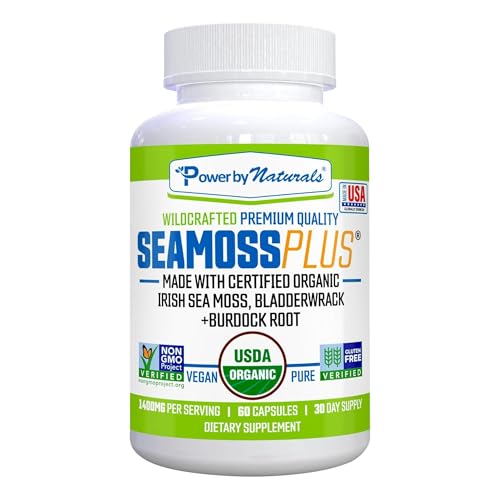
Quality and sourcing matter more than the marketing claims
Because sea moss and bladderwrack are not standardized supplements, iodine content can swing widely between products, and this variability is itself part of the thyroid risk described above. Separately, unregulated wildcrafted sea moss carries a documented risk of heavy metal contamination (arsenic, lead, cadmium), depending on the waters it was harvested from and how it was processed. Neither of these risks shows up in glossy marketing copy, but both are more relevant to how a product will actually affect you than any energy claim.

If someone chooses to use sea moss, third-party testing for heavy metals and iodine content, and a clear label of species and origin, are more useful indicators of a responsible product than energy-related claims on the packaging.
🛒 Where to Buy Sea Moss & Bladderwrack
- CleanseParasites Intra-Cellular Superfood Editor’s Pick
Contains sea moss and bladderwrack alongside black cumin seed and other superfood ingredients. - American Standard Supplements Organic Sea Moss, Bladderwrack & Burdock Root Capsules
capsules, 1200mg sea moss / 1200mg bladderwrack / 225mg burdock root per serving, 120 capsules — High-dose transparent-label blend, vegan, non-GMO, made in USA; clearly stated per-ingredient milligrams rather than a proprietary blend - Secret Element Sea Moss Capsules with Burdock Root, Bladderwrack & Muira Puama
capsules, 120 capsules — Budget-friendly 4-ingredient blend, gluten-free, made in USA - Nutrivein Organic Sea Moss 1600mg with Bladderwrack & Burdock
capsules, 1600mg sea moss per serving plus bladderwrack and burdock — Widely available mid-tier brand, marketed for immune/digestive/thyroid/skin support claims
As an Amazon Associate we earn from qualifying purchases. Quality varies widely — always choose a product with a published third-party test (COA) before buying.

A Note on the Evidence
This article is informational, not medical advice; the evidence cited applies to individual minerals and nutrients, not to sea moss as a studied product, and anyone with a thyroid condition, who is pregnant, or taking thyroid medication should consult a doctor before use given the risk of variable iodine content and potential heavy metal contamination in unregulated sea moss and bladderwrack products.
Frequently Asked Questions
Does sea moss actually increase energy levels?
There’s no clinical research showing sea moss itself increases energy in humans. It contains minerals like iodine, iron, and magnesium that are involved in energy metabolism, but those connections come from research on the individual nutrients, not on sea moss as a product [1].
Could sea moss help if I'm iron or magnesium deficient?
Correcting a real iron or magnesium deficiency is associated with improved energy and performance in the research [3][4], but there’s no established data on how much iron or magnesium a typical serving of sea moss provides, so it isn’t a validated way to address a diagnosed deficiency.
Is the iodine in sea moss good or bad for energy?
It can be either, depending on your baseline thyroid and iodine status. Iodine is required for thyroid hormone production, which regulates metabolic rate, but unstandardized, sometimes high iodine content in sea moss and bladderwrack products can trigger or worsen thyroid dysfunction rather than help it.

Who should be cautious with sea moss?
People with existing thyroid conditions, those who are pregnant, and anyone taking levothyroxine should be cautious, since variable iodine content can interfere with thyroid regulation. Anyone considering it should talk to a doctor first, particularly given the added risk of heavy metal contamination in unregulated products.
Is bladderwrack the same as sea moss for energy claims?
They’re often marketed together but are different seaweeds. Bladderwrack has more direct human evidence tied to its iodine content and thyroid effects, while sea moss’s broader wellness and energy claims are largely unsupported by dedicated clinical research.
What matters more than the energy claims when choosing a product?
Sourcing and testing. Because iodine content and heavy metal contamination vary by harvest location and processing, third-party testing and clear species/origin labeling are more meaningful quality signals than any energy claim on the packaging.
References
- Tardy AL et al. Vitamins and Minerals for Energy, Fatigue and Cognition: A Narrative Review of the Biochemical and Clinical Evidence. Nutrients (2020). PMID 31963141
- Bourre JM et al. Effects of nutrients (in food) on the structure and function of the nervous system: update on dietary requirements for brain. Part 1: micronutrients. The journal of nutrition, health & aging (2006). PMID 17066209
- Solberg A et al. Iron Status and Physical Performance in Athletes. Life (Basel, Switzerland) (2023). PMID 37895389
- Fatima G et al. Magnesium Matters: A Comprehensive Review of Its Vital Role in Health and Diseases. Cureus (2024). PMID 39539878
These statements have not been evaluated by the Food and Drug Administration. This information is not intended to diagnose, treat, cure, or prevent any disease. Content is for informational purposes only and is not medical advice; consult a qualified healthcare provider before starting any supplement. As an Amazon Associate we earn from qualifying purchases.
