Sea moss (Chondrus crispus) and bladderwrack (Fucus vesiculosus) are harvested from coastal waters and sold in three main forms: whole sun-dried pieces, ready-to-use gels, and milled powders. Each processing step — washing, drying, blending, heating, milling — can alter the very compounds consumers seek: iodine, sulfated polysaccharides (including carrageenan and fucoidan), minerals, and heat-sensitive vitamins.
This article reviews what is known about how these methods change the nutrient matrix, where the evidence gaps remain, and why sourcing and third-party testing matter more than the form you choose. The FDA has not evaluated sea moss or bladderwrack for the treatment, cure, or prevention of any disease.
Key Takeaways
- No processing method standardizes iodine or mineral content; batch testing is essential.
- Sun-dried whole leaf best preserves heat-sensitive vitamins but requires home preparation steps that introduce variability.
- Gels offer convenience but dilute nutrients per gram and may lose vitamins and polysaccharide integrity if boiled.
- Powders concentrate minerals but accelerate oxidation; spray-dried powders likely have more heat damage than milled whole-leaf powders.
- Heavy metal content reflects harvest water, not processing — only third-party certificates of analysis verify safety.
What Sea Moss Actually Contains Before Processing
Raw Chondrus crispus is a red alga rich in carrageenan-family sulfated polysaccharides, which give it gelling capacity, along with variable iodine, potassium, magnesium, calcium, and trace minerals absorbed from seawater. Bladderwrack (Fucus vesiculosus), a brown alga often blended with sea moss, contributes fucoidan (a different sulfated polysaccharide) and typically higher, more variable iodine levels. Both seaweeds also accumulate heavy metals — arsenic, lead, cadmium — from their growing environment, a factor no processing step can fully reverse.
The nutrient baseline is highly inconsistent: iodine content in dried seaweed can range from under 100 mcg/g to over 5,000 mcg/g depending on species, harvest season, location, and water temperature.[1][2] Polysaccharide structure and mineral ratios shift similarly. This variability means two batches of “raw” sea moss may differ more from each other than a single batch differs across processing methods.

Sun-Dried Whole Leaf: Minimal Intervention, Maximum Variability
Sun-drying is the traditional preservation method: cleaned fronds are spread in open air until moisture drops low enough to prevent microbial growth. This avoids heat exposure, so heat-labile vitamins (such as vitamin C and some B vitamins) are largely retained. The polysaccharide backbone remains intact, and the iodine — bound within the tissue matrix — is stable.
However, sun-drying introduces its own variables. UV exposure can degrade certain antioxidants. Dust, insects, and birds pose contamination risks. Moisture gradients during drying can create pockets where mold produces mycotoxins if drying is incomplete. The consumer must still soak, rinse, and blend the dried leaf — steps that reintroduce water, potential microbial load, and user-dependent nutrient loss (e.g., minerals leaching into soaking water if discarded).
Sea Moss Gel: Hydration, Heat, and the Carrageenan Factor
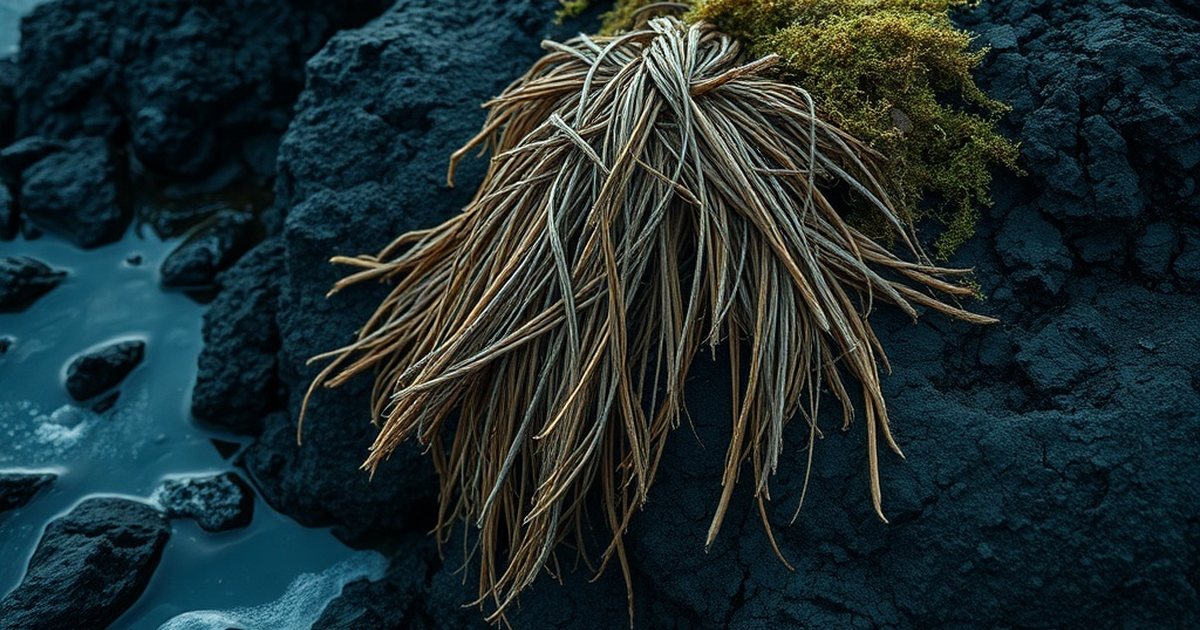
Commercial and homemade gels are made by soaking dried sea moss, blending with water, and often heating the mixture to achieve a smooth texture. Heating — even brief simmering — serves two purposes: it fully hydrates the carrageenan network for a stable gel, and it reduces microbial load. However, heat degrades vitamin C and some B vitamins. Prolonged heating can also hydrolyze sulfated polysaccharides, reducing molecular weight and potentially altering gelling and prebiotic properties.
Gel formulations vary widely in water content (typically 85–95%), which dilutes mineral and iodine concentration per gram compared to dried forms. Preservatives (citric acid, potassium sorbate) or acidity regulators may be added, shifting pH and possibly affecting polysaccharide stability over shelf life. Refrigerated gels last 2–4 weeks; frozen, several months. Each freeze-thaw cycle can further break polysaccharide chains.
Powdered Sea Moss: Milling, Surface Area, and Oxidation
Powders are produced by milling dried sea moss (sometimes after a low-temperature drying step like freeze-drying or dehydrator drying) into fine particles. The high surface area accelerates oxidation of lipids and degradation of heat-sensitive vitamins during storage, especially if packaging is not oxygen-barrier. On the other hand, fine particle size may improve mineral bioaccessibility in the digestive tract because less mechanical breakdown is needed.

Some powders are spray-dried from gel slurries, which involves high inlet temperatures (150–200°C) that can significantly reduce vitamin content and modify polysaccharide structure. Others are simply milled from whole dried leaf, preserving more of the original matrix. Without a certificate of analysis specifying the drying and milling method, the consumer cannot know which process was used.
Iodine Stability Across Forms: The Consistent Concern
Iodine in seaweeds is present as iodide, iodate, and organo-iodine compounds bound to proteins and polysaccharides. It is relatively stable to drying, milling, and moderate heating, but can leach into soaking or cooking water.[1][3] If that water is discarded — common when preparing gel from dried leaf — a meaningful fraction of iodine is lost. Conversely, if the soaking water is incorporated into the gel, iodine is retained but so are any water-soluble contaminants (arsenic species, for example).
Bladderwrack-heavy blends amplify iodine variability. A single daily serving of some commercial gels or powders can exceed the tolerable upper intake level for iodine (1,100 mcg/day for adults)[4][5], posing risk for thyroid dysfunction, especially in people with pre-existing thyroid disease, those on levothyroxine, or during pregnancy. No processing method standardizes iodine content; only batch-specific testing can.
Heavy Metals and Contaminants: Processing Does Not Purify
Arsenic (mostly as arsenosugars in seaweed, with smaller amounts of inorganic arsenic), lead, and cadmium are taken up from seawater and sediment.[6][7] Washing can remove surface deposits but not bioaccumulated metals within tissue. Drying, blending, heating, and milling do not reduce total metal content; they only concentrate it as water is removed. Some studies on other seaweeds show that certain cooking methods (boiling with water discard) can reduce inorganic arsenic, but data specific to Chondrus crispus or Fucus vesiculosus gels and powders are lacking.
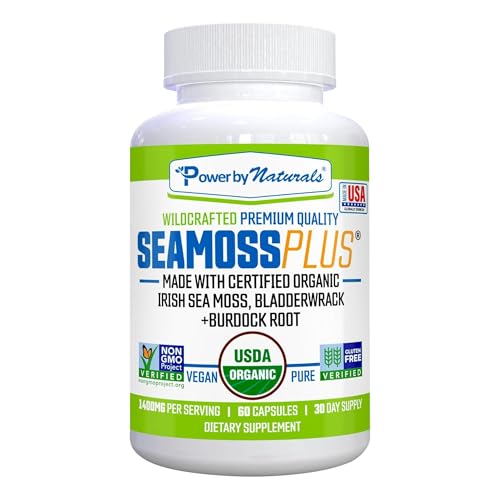
Third-party testing for heavy metals, iodine, and microbial limits on each finished batch is the only reliable way to know what a jar contains.[8] Certificates of analysis should report results per serving, not per kilogram of raw material. Wildcrafted claims without test data are marketing, not assurance.
Polysaccharide Integrity: Carrageenan, Fucoidan, and Prebiotic Potential
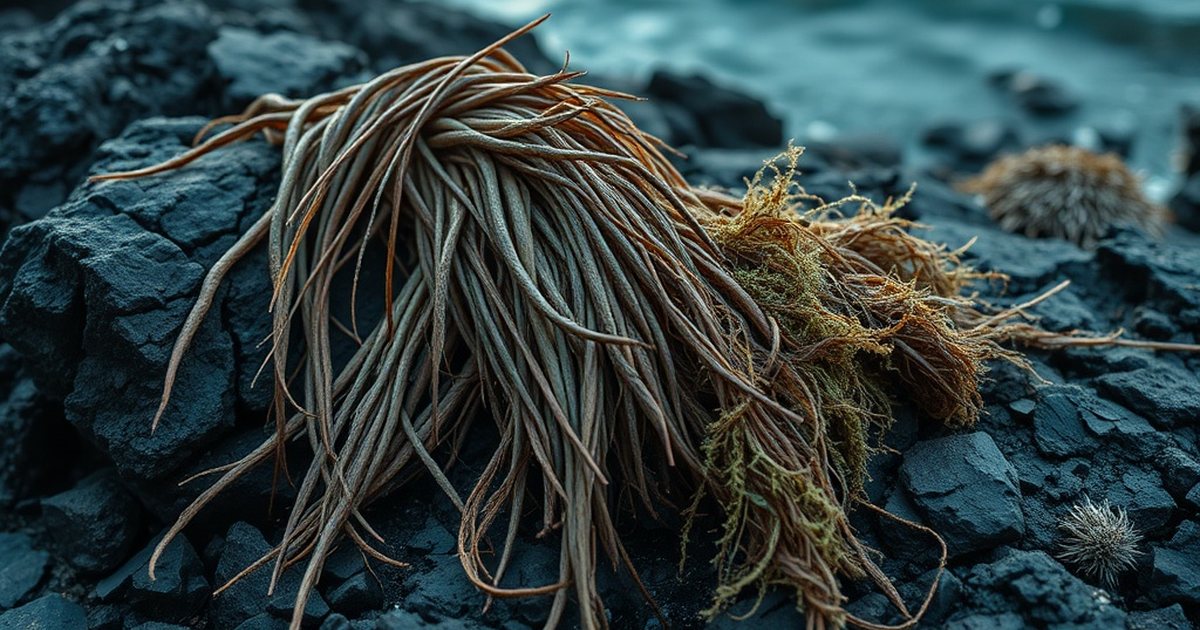
The sulfated polysaccharides in sea moss (carrageenan types lambda, kappa, iota) and bladderwrack (fucoidan) are proposed to support gut health via prebiotic effects and immune modulation. Their bioactivity depends on molecular weight, sulfate content, and glycosidic linkage pattern — all sensitive to heat, pH, and mechanical shear. High-temperature spray drying or prolonged boiling can depolymerize these chains, potentially reducing prebiotic activity.
Freeze-drying (lyophilization) best preserves native polysaccharide structure but is costlier and rarely used for bulk sea moss powder. Most commercial powders are air-dried or spray-dried. Gels heated just to blending temperature (∼60–70°C) likely retain more intact polysaccharide than those boiled. No human trials have compared clinical outcomes across processing forms.
🛒 Where to Buy Sea Moss & Bladderwrack

- CleanseParasites Intra-Cellular Superfood Editor’s Pick
Contains sea moss and bladderwrack alongside black cumin seed and other superfood ingredients. - American Standard Supplements Organic Sea Moss, Bladderwrack & Burdock Root CapsulesLab-tested / studied
capsules, 1200mg sea moss / 1200mg bladderwrack / 225mg burdock root per serving, 120 capsules — High-dose transparent-label blend, vegan, non-GMO, made in USA; clearly stated per-ingredient milligrams rather than a proprietary blend - Secret Element Sea Moss Capsules with Burdock Root, Bladderwrack & Muira Puama
capsules, 120 capsules — Budget-friendly 4-ingredient blend, non-GMO, gluten-free, made in USA - Nutrivein Organic Sea Moss 1600mg with Bladderwrack & Burdock
capsules, 1600mg sea moss per serving plus bladderwrack and burdock — Widely available mid-tier brand, marketed for immune/digestive/thyroid/skin support claims
As an Amazon Associate we earn from qualifying purchases. Quality varies widely — always choose a product with a published third-party test (COA) before buying.
A Note on the Evidence
Sea moss and bladderwrack supplements are not standardized; iodine content varies widely and can trigger or worsen thyroid dysfunction, especially in people with thyroid conditions, on levothyroxine, or during pregnancy. Unregulated wildcrafted products carry heavy metal contamination risk. Consult a healthcare professional before use, particularly if you have a thyroid disorder, are pregnant, or take medication.
Frequently Asked Questions
Does making sea moss gel at home preserve more nutrients than buying pre-made gel?
Home preparation lets you control heat exposure and avoid additives, but nutrient retention still depends on your specific method: soaking time, whether you discard soak water, blending temperature, and storage. Without lab testing, you cannot know the exact iodine, mineral, or polysaccharide content of your batch.
Is sea moss powder more potent than gel because it's concentrated?
Powder has less water, so minerals and iodine are more concentrated per gram. However, the drying and milling method (spray-drying vs. freeze-drying vs. simple milling) affects vitamin and polysaccharide integrity. A spray-dried powder may have lower vitamin C and more degraded polysaccharides than a gently made gel.
Can I reduce iodine in sea moss by rinsing or soaking?
Soaking and discarding the water removes a portion of water-soluble iodine, but the amount is unpredictable and varies by seaweed species, particle size, and soak duration. This also discards water-soluble minerals and polysaccharides. For people needing strict iodine control, tested low-iodine products or medical guidance are safer than home leaching.

Does freeze-dried sea moss powder retain more nutrients than air-dried?
Freeze-drying (lyophilization) uses sublimation under vacuum at low temperatures, best preserving heat-labile vitamins and native polysaccharide structure. Air-drying or dehydrator drying at 40–60°C causes more vitamin loss but is far more common due to cost. Labels rarely specify the drying method; ask the supplier for a certificate of analysis that includes vitamin C or polysaccharide molecular weight data.
Are there human studies comparing health effects of sea moss gel vs. powder?
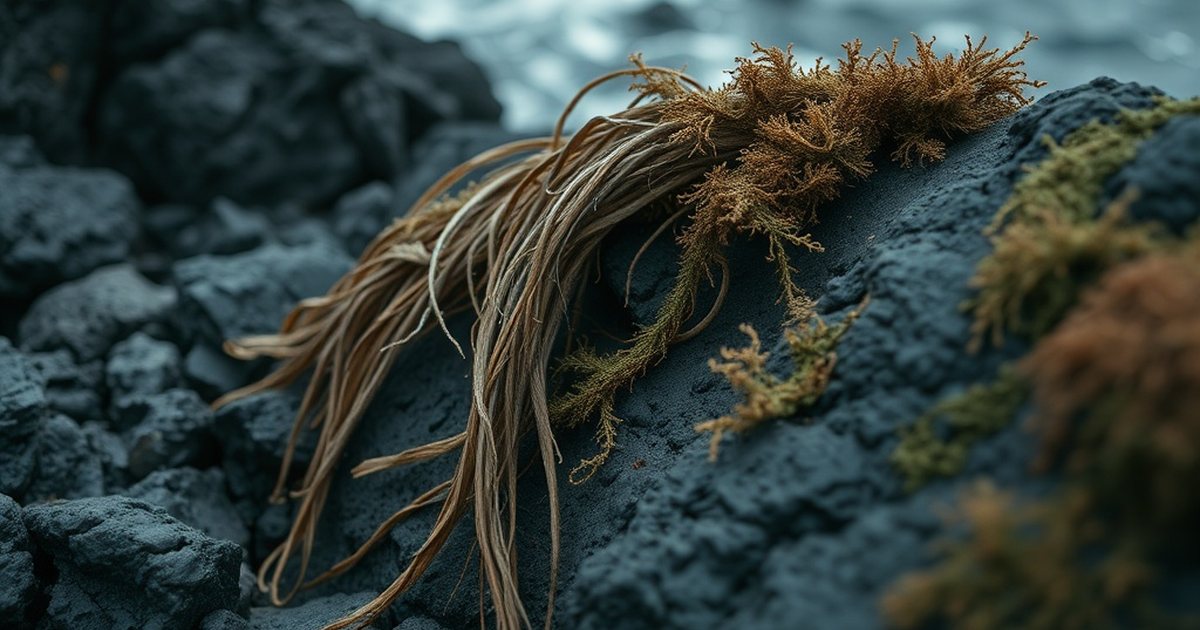
No published human clinical trials directly compare health outcomes between sea moss gel, powder, or whole-leaf forms. Most seaweed research focuses on isolated compounds (carrageenan, fucoidan, iodine) or whole seaweed in dietary studies, not commercial processing forms. Claims about superior efficacy of one form over another are not evidence-based.
What should I look for on a sea moss product label to assess quality?
Look for: species name (Chondrus crispus, Fucus vesiculosus, or both), harvest region, processing method (sun-dried, freeze-dried, spray-dried, etc.), iodine content per serving (mcg), heavy metal test results (As, Pb, Cd, Hg) per serving with lab name and date, and microbial limits. Proprietary blends without species disclosure or test data cannot be evaluated.
References
- Variability of iodine content in common commercially available edible seaweeds. Thyroid (2004). PMID 15588380
- Variability in iodine in temperate seaweeds and iodine accumulation kinetics of Fucus vesiculosus and Laminaria digitata. Journal of Phycology (2018). PMID 29130494
- Saccharina latissima Cultivated in Northern Norway: Reduction of Potentially Toxic Elements during Processing in Relation to Cultivation Depth. Foods (2021). PMID 34199830
- Risk assessment of iodine intake from the consumption of red seaweeds (Palmaria palmata and Chondrus crispus). Environmental Science and Pollution Research (2020). PMID 32803579
- Elemental Composition of Algae-Based Supplements by Energy Dispersive X-ray Fluorescence. Plants (Basel) (2021). PMID 34685850
- Survey of arsenic content in edible seaweeds and their health risk assessment. Food and Chemical Toxicology (2024). PMID 38499235
- Trace metal occurrence in Mediterranean seaweeds. Environmental Science and Pollution Research (2018). PMID 29368198
- Emergence of Seaweed and Seaweed-Containing Foods in the UK: Focus on Labeling, Iodine Content, Toxicity and Nutrition. Foods (2015). PMID 28231201
These statements have not been evaluated by the Food and Drug Administration. This information is not intended to diagnose, treat, cure, or prevent any disease. Content is for informational purposes only and is not medical advice; consult a qualified healthcare provider before starting any supplement. As an Amazon Associate we earn from qualifying purchases.
