Sea moss (Chondrus crispus) and bladderwrack (Fucus vesiculosus) are mineral-dense seaweeds traditionally consumed as whole foods or folk remedies for thyroid support, gut health, and general nutrition. Today they are sold primarily as prepared gels or encapsulated powders, each with distinct processing, stability, and dosing implications.
This comparison examines how form factor affects nutrient delivery, iodine reliability, heavy-metal exposure, and cost-effectiveness, while emphasizing that clinical evidence for broad wellness claims remains limited and product quality varies widely in an unregulated market.
Key Takeaways
- Iodine content varies widely in both forms; bladderwrack blends pose higher risk of excessive intake, especially for thyroid-vulnerable groups.
- Third-party testing for heavy metals, iodine, and microbes is the single most important quality marker—request lot-specific CoAs.
- Gels offer whole-food matrix and culinary flexibility but require refrigeration and spoil quickly; capsules provide convenience, shelf stability, and easier dosing consistency.
- Neither form has clinically proven superiority for nutrient absorption or health outcomes; most wellness claims lack human trial support.
- Cost per serving favors bulk gel or DIY preparation; capsules carry a significant convenience premium.
Nutrient Profile and Proposed Mechanisms
Both seaweeds supply naturally occurring iodine, trace minerals (magnesium, potassium, calcium), and sulfated polysaccharides—carrageenan in red seaweeds and fucoidan in brown seaweeds—which are studied for prebiotic and immune-modulating effects. Bladderwrack is notably richer in iodine and fucoidan, while sea moss provides a gelatinous matrix of carrageenan-family fibers.
The gel form retains the whole-food matrix, potentially preserving polysaccharide structure and mineral bioavailability. Capsules typically contain dried, milled powder, which may concentrate minerals but can degrade heat-sensitive compounds during processing. Neither form has been clinically proven superior for nutrient absorption in humans.
Iodine Content: Variability and Thyroid Safety
Iodine levels in seaweeds fluctuate dramatically by species, harvest season, geography, and processing method. Bladderwrack-heavy blends can deliver iodine doses far exceeding the tolerable upper intake level (1,100 mcg/day for adults), risking thyroid dysfunction in susceptible individuals, including those with autoimmune thyroid disease, nodules, or on levothyroxine.

Gels made from whole soaked seaweed may have slightly more predictable iodine per serving if the producer standardizes the water-to-plant ratio, but most artisanal and commercial gels lack batch-specific iodine labeling. Capsules offer measured powder weight, yet without third-party iodine assays the actual dose per capsule remains unknown. Pregnant or lactating individuals and anyone with thyroid conditions should consult a clinician before using either form.
Heavy-Metal Contamination and Sourcing
Seaweeds bioaccumulate arsenic, lead, cadmium, and mercury from harvest waters. Wildcrafted sea moss from untested coastal areas carries higher risk than aquacultured or rigorously sourced material. Processing (washing, soaking, heat-drying) can reduce but not eliminate these contaminants.
Third-party certificates of analysis (CoAs) for heavy metals, microbiological limits, and iodine content are the most reliable quality indicators for both gels and capsules. A study of general food supplements highlighted the importance of microbiological quality control in finished products [1]. Brands that publish lot-specific CoAs from ISO-accredited labs provide greater assurance than those relying on marketing claims alone.
Shelf Life, Stability, and Additives
Fresh sea moss gel is highly perishable, typically lasting 2–3 weeks refrigerated unless preserved with citric acid, potassium sorbate, or high-pressure processing. Spoilage risk increases with improper home preparation or storage. Capsules, as low-moisture powders, are shelf-stable for 1–2 years when sealed and stored cool and dry.
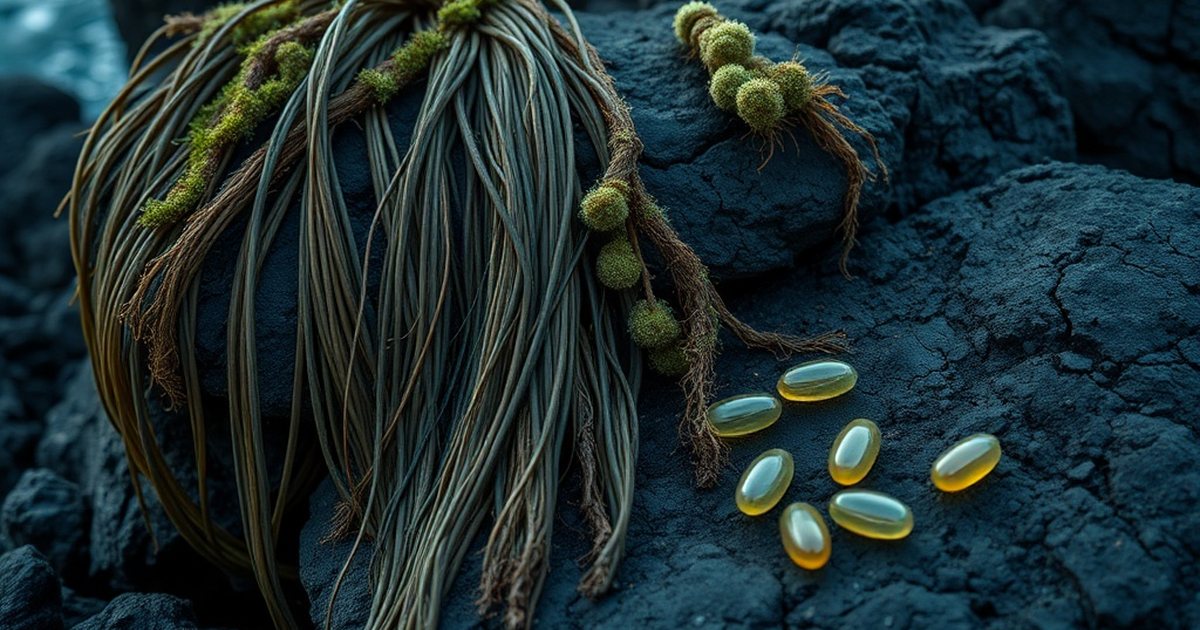
Gel products often contain added water, thickeners, or flavorings; capsules may include fillers (rice flour, silica) or flow agents. Consumers avoiding specific additives should scrutinize ingredient lists. Neither form is inherently “cleaner”—transparency depends on the manufacturer.

Dosing Precision and Practical Use
Capsules deliver a fixed powder weight per unit, simplifying daily tracking, but the actual iodine and mineral dose per capsule varies unless the batch is standardized and tested. Gels require measuring by volume (tablespoons), introducing user error, though some users prefer the culinary versatility of gel in smoothies, soups, or topical applications.
Cost per gram of seaweed is generally lower for bulk gel or DIY preparation from dried whole leaf, while capsules carry a premium for encapsulation, bottling, and branding. For long-term use, the cost difference can be substantial.
Regulatory Status and Evidence Gaps
The FDA has not evaluated sea moss or bladderwrack products for the treatment, cure, or prevention of any disease. Human clinical data are largely limited to bladderwrack’s iodine-mediated thyroid effects and preliminary fucoidan research; robust trials supporting broad wellness claims (energy, immunity, skin health, weight loss) are absent.
Social media marketing frequently extrapolates from traditional use or in vitro studies. Consumers should treat both gels and capsules as dietary supplements with uncertain potency, not as standardized medicines, and prioritize products with verifiable third-party testing over brand reputation alone.
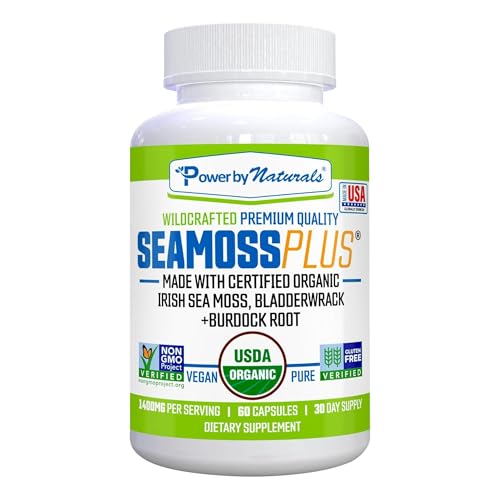
🛒 Where to Buy Sea Moss & Bladderwrack
- CleanseParasites Intra-Cellular Superfood Editor’s Pick
Contains sea moss and bladderwrack alongside black cumin seed and other superfood ingredients. - American Standard Supplements Organic Sea Moss, Bladderwrack & Burdock Root Capsules
capsules, 1200mg sea moss / 1200mg bladderwrack / 225mg burdock root per serving, 120 capsules — High-dose transparent-label blend, vegan, non-GMO, made in USA; clearly stated per-ingredient milligrams rather than a proprietary blend - Secret Element Sea Moss Capsules with Burdock Root, Bladderwrack & Muira Puama
capsules, 120 capsules — Budget-friendly 4-ingredient blend, gluten-free, made in USA - Nutrivein Organic Sea Moss 1600mg with Bladderwrack & Burdock
capsules, 1600mg sea moss per serving plus bladderwrack and burdock — Widely available mid-tier brand, marketed for immune/digestive/thyroid/skin support claims
As an Amazon Associate we earn from qualifying purchases. Quality varies widely — always choose a product with a published third-party test (COA) before buying.
A Note on the Evidence
Sea moss and bladderwrack supplements are not standardized; iodine content varies widely and can trigger or worsen thyroid dysfunction, especially with bladderwrack-heavy blends, existing thyroid conditions, pregnancy, or concurrent levothyroxine use. Unregulated wildcrafted products carry heavy-metal contamination risk. Third-party testing and clinician guidance are essential—this information is educational, not medical advice.
Frequently Asked Questions
Does sea moss gel have more nutrients than capsules?
Not necessarily. Gel retains the hydrated polysaccharide matrix, while capsules concentrate dried powder. Nutrient density depends on raw material quality, processing heat, and storage—not form alone. No head-to-head bioavailability studies exist.
Which form is safer for thyroid health?
Neither is inherently safer. Both can deliver unpredictable iodine doses. Capsules may offer more consistent powder weight per serving, but without batch-specific iodine testing, actual exposure is unknown. Individuals with thyroid conditions should consult a clinician before using either.

How can I verify a product is free of heavy metals?
Look for a current, lot-specific Certificate of Analysis from an ISO 17025-accredited lab testing arsenic (inorganic), lead, cadmium, and mercury. Marketing claims like “wildcrafted” or “organic” do not guarantee low heavy-metal levels.
Is homemade gel safer than store-bought?
Homemade gel avoids additives but inherits the contamination profile of the dried seaweed used. Without lab testing, you cannot confirm iodine content or heavy-metal levels. Proper soaking, rinsing, and refrigeration reduce but do not eliminate microbial risk.

Why do some blends include bladderwrack?
Bladderwrack (Fucus vesiculosus) is added to increase iodine and fucoidan content. This raises the risk of excessive iodine intake, particularly for sensitive populations. Check the ingredient list and iodine disclosure before purchasing blended products.
Do capsules contain fillers I should avoid?
Many do—common fillers include rice flour, microcrystalline cellulose, silica, or magnesium stearate. Read the “Other Ingredients” section. If you have allergies or sensitivities, choose brands that disclose excipients and use minimal, clean-label formulations.
References
- Ratajczak M et al. MICROBIOLOGICAL QUALITY OF FOOD SUPPLEMENTS. Acta poloniae pharmaceutica (2015). PMID 26642690
These statements have not been evaluated by the Food and Drug Administration. This information is not intended to diagnose, treat, cure, or prevent any disease. Content is for informational purposes only and is not medical advice; consult a qualified healthcare provider before starting any supplement. As an Amazon Associate we earn from qualifying purchases.

Pingback: Sea Moss Forms Compared: Bioavailability and Cost