Sea moss (Chondrus crispus, a red alga) and kelp (a catch-all term for large brown seaweeds like Laminaria and Saccharina species, related to bladderwrack’s Fucus genus) are often marketed interchangeably as ‘mineral-rich superfoods,’ but they are biologically distinct organisms with very different iodine loads. The confusion matters because iodine is the one nutrient in seaweed that can cause real harm in excess, and the two are not remotely equivalent on that axis.
This comparison lays out what’s actually known: how iodine content varies by species and even by batch of the same species, what that means for thyroid function, and where the heavy metal and contamination risks diverge between red algae like sea moss and brown kelps. None of this is medical advice, and anyone with thyroid disease, who is pregnant, or on thyroid medication should treat seaweed supplementation as a conversation with a clinician, not a wellness add-on.
Key Takeaways
- Sea moss (red algae) generally carries less iodine than kelp or bladderwrack (brown algae), but it is not iodine-free and quantities vary batch to batch.
- Kelp and bladderwrack iodine content is highly variable between species and even within the same species, making standard serving sizes unreliable for predicting actual intake.
- Regular seaweed consumption has been linked to measurable thyroid function changes in real-world consumer cohorts, not just lab models.
- Kelp carries documented heavy metal accumulation risk (arsenic, cadmium) alongside its iodine load; sourcing and third-party testing matter more than species name.
- Pregnant people, those with existing thyroid conditions, and anyone on levothyroxine should treat sea moss or kelp supplementation as a discussion with a clinician, not a default wellness swap.
Sea Moss: Lower Iodine, Different Polysaccharide Profile
Sea moss is a red alga, and red algae as a class tend to carry meaningfully less iodine than brown algae like kelp. Its traditional appeal centers on carrageenan-family polysaccharides and a broad mineral spread (potassium, calcium, magnesium) rather than iodine specifically. That said, red algae are not iodine-free, and commercial sea moss products can still vary significantly batch to batch depending on harvest location and processing, a variability pattern documented broadly across edible seaweeds regardless of species [1].

Because sea moss is usually framed as a gut-and-mineral food rather than a thyroid-support product, most consumers underestimate that it still contributes iodine to total daily intake, especially when consumed in the large quantities (whole gel, smoothies, multiple servings) common in current sea moss trends. Total intake matters cumulatively across a day and across food sources, not just per single serving [2].
Kelp and Bladderwrack: The High-Iodine End of the Seaweed Spectrum
Brown algae, including kelp species (Laminaria, Saccharina) and bladderwrack (Fucus vesiculosus), sit at the high end of seaweed iodine content, and the variability within this group is dramatic. One analysis of temperate brown seaweeds found iodine accumulation kinetics and steady-state levels varied substantially between Fucus vesiculosus and Laminaria digitata, meaning two ‘kelp’ products can differ several-fold in iodine even when both are accurately labeled brown seaweed [3].
A separate survey of commercially available edible seaweeds found kelp and kombu-type products among the highest and most variable iodine sources tested, reinforcing that a single serving size cannot be assumed safe across brands or harvests [1]. A biomass-level study of both wild-harvested and cultivated seaweeds similarly concluded that species-specific daily allowable consumption limits are necessary precisely because inherent iodine variation is too large for one blanket serving recommendation to apply across products [4].
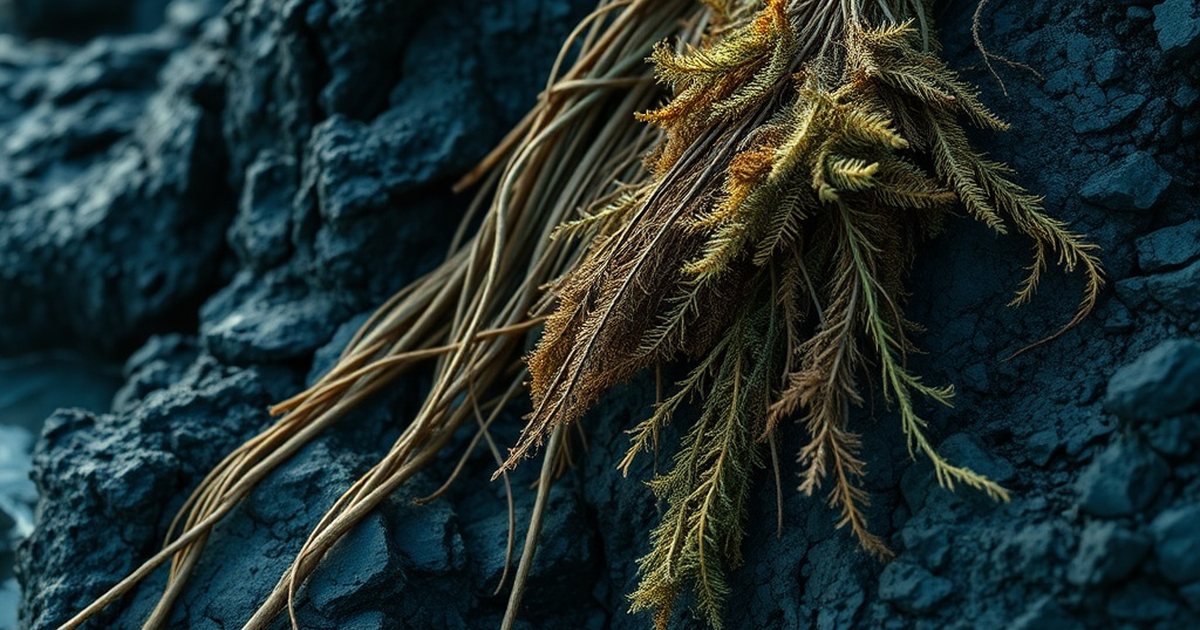
This is the core practical difference from sea moss: kelp and bladderwrack are far more likely to deliver iodine doses that approach or exceed upper intake limits from a single serving, especially in concentrated capsule or powder form.

What Happens to Thyroid Function With Regular Seaweed Intake
Human data specifically tracking seaweed consumers is limited, but a Norwegian cohort study of habitual seaweed eaters found measurable iodine status changes and shifts in thyroid function markers associated with seaweed intake, underscoring that this isn’t a theoretical concern, it shows up in real consumers rather than only in animal models [5].
This matters most for two groups: people already vulnerable to iodine-induced thyroid dysfunction (autoimmune thyroid disease, nodular goiter, or those on levothyroxine, where excess iodine can both cause and mask problems), and pregnant people, where iodine needs are elevated but supplementation must be carefully dosed rather than assumed safe simply because a source is ‘natural.’ A review of iodine supplementation in pregnant European populations emphasized that both too little and too much iodine carry risk, and blanket high-dose supplementation isn’t the answer even when deficiency is the starting concern [6].
For context on how iodine sources stack, even mainstream prenatal and adult multivitamins vary substantially in iodine content across best-selling US brands, meaning seaweed intake doesn’t happen in isolation from other supplement sources, it adds to a total that needs to be tracked, not assumed [7].
Heavy Metal and Contaminant Exposure: Kelp-Specific Research
Beyond iodine, brown kelp carries its own contamination research base. A controlled feeding study in rats given sugar kelp (Saccharina latissima) examined both iodine bioavailability and the accumulation of arsenic and cadmium, finding that kelp consumption is a route of exposure for these heavy metals alongside its iodine load, not a hypothetical risk but a measured one in that model [8].
This double burden, high and variable iodine plus documented heavy metal accumulation potential, is a specific concern for kelp and bladderwrack products more than for sea moss, though sea moss sourced from contaminated coastal waters is not automatically exempt; the underlying issue for any wildcrafted seaweed is that harvest location and water quality determine contaminant load far more than the species name on the label. Third-party heavy metal testing is the practical mitigation, not brand marketing claims.
Reading a Label: Why Serving Size Comparisons Are Nearly Impossible
Because iodine content varies so widely within a single species depending on harvest season, water conditions, and processing method, a ‘per serving’ iodine number on a sea moss or kelp label should be read as an estimate, not a guarantee. The seaweed variability data make clear that species-specific consumption ceilings exist precisely because manufacturers can’t reliably predict iodine content without direct testing of each batch [4] [1].
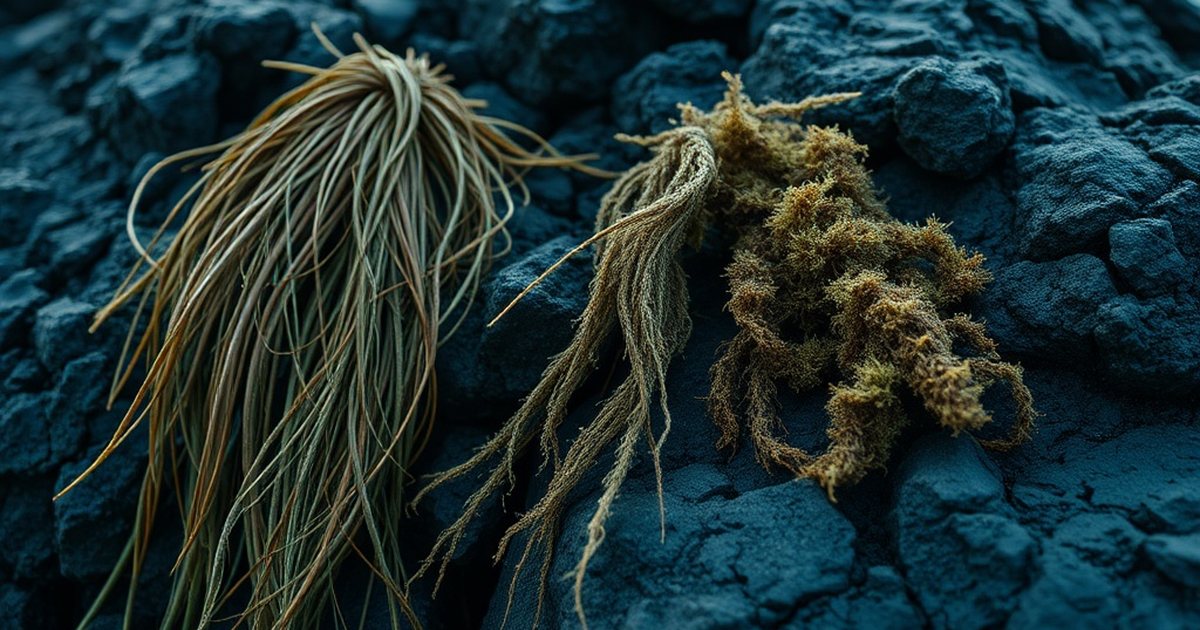
Practically, this means dose-stacking across products (a sea moss gel plus a separate iodine supplement plus a multivitamin) is the real-world risk pathway, not any single product in isolation [7].

🛒 Where to Buy Sea Moss & Bladderwrack
- CleanseParasites Intra-Cellular Superfood Editor’s Pick
Contains sea moss and bladderwrack alongside black cumin seed and other superfood ingredients. - American Standard Supplements Organic Sea Moss, Bladderwrack & Burdock Root Capsules
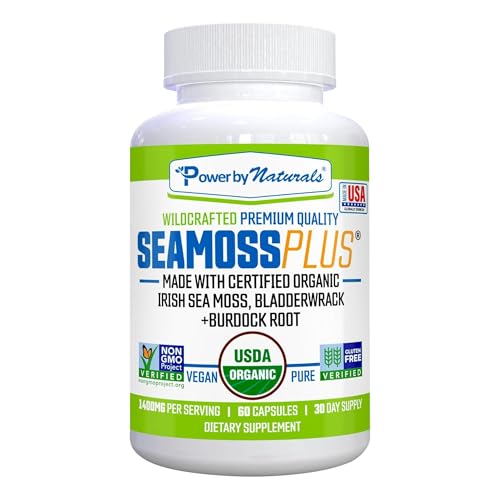
capsules, 1200mg sea moss / 1200mg bladderwrack / 225mg burdock root per serving, 120 capsules — High-dose transparent-label blend, vegan, non-GMO, made in USA; clearly stated per-ingredient milligrams rather than a proprietary blend - Secret Element Sea Moss Capsules with Burdock Root, Bladderwrack & Muira Puama
capsules, 120 capsules — Budget-friendly 4-ingredient blend, gluten-free, made in USA - Nutrivein Organic Sea Moss 1600mg with Bladderwrack & Burdock
capsules, 1600mg sea moss per serving plus bladderwrack and burdock — Widely available mid-tier brand, marketed for immune/digestive/thyroid/skin support claims
As an Amazon Associate we earn from qualifying purchases. Quality varies widely — always choose a product with a published third-party test (COA) before buying.

A Note on the Evidence
This article is informational, not medical advice; iodine content in sea moss and kelp products is highly variable and largely unregulated, and anyone with thyroid disease, who is pregnant, or taking thyroid medication should consult a clinician before adding either to their routine. The FDA has not evaluated these products for treating, curing, or preventing any disease.
Frequently Asked Questions
Is sea moss safer than kelp for the thyroid?
Sea moss generally contains less iodine than kelp or bladderwrack, so it carries a lower baseline risk of iodine-induced thyroid disruption, but ‘lower’ isn’t ‘zero,’ and product variability means some sea moss items can still deliver meaningful iodine [1]. Anyone with thyroid disease shouldn’t assume either is automatically safe without checking labeled iodine content.
Can I take kelp and sea moss together?
Combining sources increases total iodine intake, and since neither product’s labeled iodine content is fully reliable due to natural variability, stacking multiple seaweed or iodine-containing supplements raises the chance of exceeding safe intake without a clear way to track it [4] [7].
Does cooking or processing reduce iodine in seaweed?
The evidence cited here doesn’t directly test cooking methods; what’s documented is that iodine content differs by species, harvest season, and growth stage rather than primarily by home preparation [3]. Assume iodine content largely reflects the raw material, not how you prepare it at home.
Are heavy metals a concern with sea moss specifically?
The heavy metal research cited here was conducted on kelp (Saccharina latissima), showing arsenic and cadmium accumulation alongside iodine uptake [8]. Wildcrafted sea moss from contaminated waters could carry similar risks, but that’s a sourcing and water-quality issue rather than something inherent to the red algae species itself, third-party testing is the way to verify either type.

Who should avoid kelp or bladderwrack supplements entirely?
People with autoimmune thyroid disease, nodular goiter, or those on levothyroxine are at elevated risk of iodine-induced thyroid dysfunction, and cohort data in seaweed consumers has shown measurable thyroid function shifts [5]. Pregnant individuals should also be cautious, since iodine needs are elevated in pregnancy but oversupplementation carries separate risks [6].
Is there a safe daily amount of sea moss or kelp?
There’s no single safe number that applies across products, because iodine content varies so much by species and batch that researchers have called for species-specific consumption ceilings rather than one blanket guideline [4]. The practical approach is checking for third-party-tested iodine content per serving and accounting for other iodine sources like multivitamins [7].
References
- Teas J et al. Variability of iodine content in common commercially available edible seaweeds. Thyroid : official journal of the American Thyroid Association (2004). PMID 15588380
- Katagiri R et al. Estimation of habitual iodine intake in Japanese adults using 16 d diet records over four seasons with a newly developed food composition database for iodine. The British journal of nutrition (2015). PMID 26197981
- Nitschke U et al. Variability in iodine in temperate seaweeds and iodine accumulation kinetics of Fucus vesiculosus and Laminaria digitata (Phaeophyceae, Ochrophyta). Journal of phycology (2018). PMID 29130494
- Roleda MY et al. Iodine content in bulk biomass of wild-harvested and cultivated edible seaweeds: Inherent variations determine species-specific daily allowable consumption. Food chemistry (2018). PMID 29548461
- Aakre I et al. Iodine Status and Thyroid Function in a Group of Seaweed Consumers in Norway. Nutrients (2020). PMID 33202773
- Zimmermann M et al. Iodine supplementation of pregnant women in Europe: a review and recommendations. European journal of clinical nutrition (2004). PMID 15220938
- Patel A et al. Iodine Content of the Best-Selling United States Adult and Prenatal Multivitamin Preparations. Thyroid : official journal of the American Thyroid Association (2019). PMID 30266075
- Fjære E et al. Iodine Bioavailability and Accumulation of Arsenic and Cadmium in Rats Fed Sugar Kelp (Saccharina latissima). Foods (Basel, Switzerland) (2022). PMID 36553687
These statements have not been evaluated by the Food and Drug Administration. This information is not intended to diagnose, treat, cure, or prevent any disease. Content is for informational purposes only and is not medical advice; consult a qualified healthcare provider before starting any supplement. As an Amazon Associate we earn from qualifying purchases.
