Sea moss and spirulina get lumped together as “algae supplements,” but they come from different branches of the tree of life and are used for different reasons. Sea moss (Chondrus crispus, often called Irish moss) is a red seaweed prized mainly for its mineral content and gel-forming polysaccharides. Spirulina (Arthrospira platensis) is a blue-green cyanobacterium, technically not a true algae at all, that’s better studied as a protein and micronutrient-dense supplement, including in athletic and animal nutrition research.
Neither is a miracle food, and neither has robust human clinical trial evidence behind the sweeping claims made about it on social media. This comparison lays out what each one actually is, what the available research covers, and the safety tradeoffs worth knowing before choosing between them, or using both. A similar comparison against an adaptogenic herb rather than another alga is set out in our sea moss and ashwagandha comparison.
Key Takeaways
- Sea moss (red algae) and spirulina (a cyanobacterium) are biologically different organisms marketed under the same “algae supplement” umbrella.
- Spirulina has more dedicated research behind it, largely from animal/livestock studies and athlete-focused reviews, not large human trials [1][2][3].
- Sea moss’s main credible mechanism is iodine and mineral content, which is also its biggest risk factor for thyroid-sensitive individuals.
- Wildcrafted sea moss carries documented heavy metal contamination risk; spirulina’s quality risk centers more on cultivation and microbial safety [4].
- Neither supplement is FDA-evaluated for treating any condition; sourcing and third-party testing matter more than label claims for both.
What Sea Moss and Spirulina Actually Are
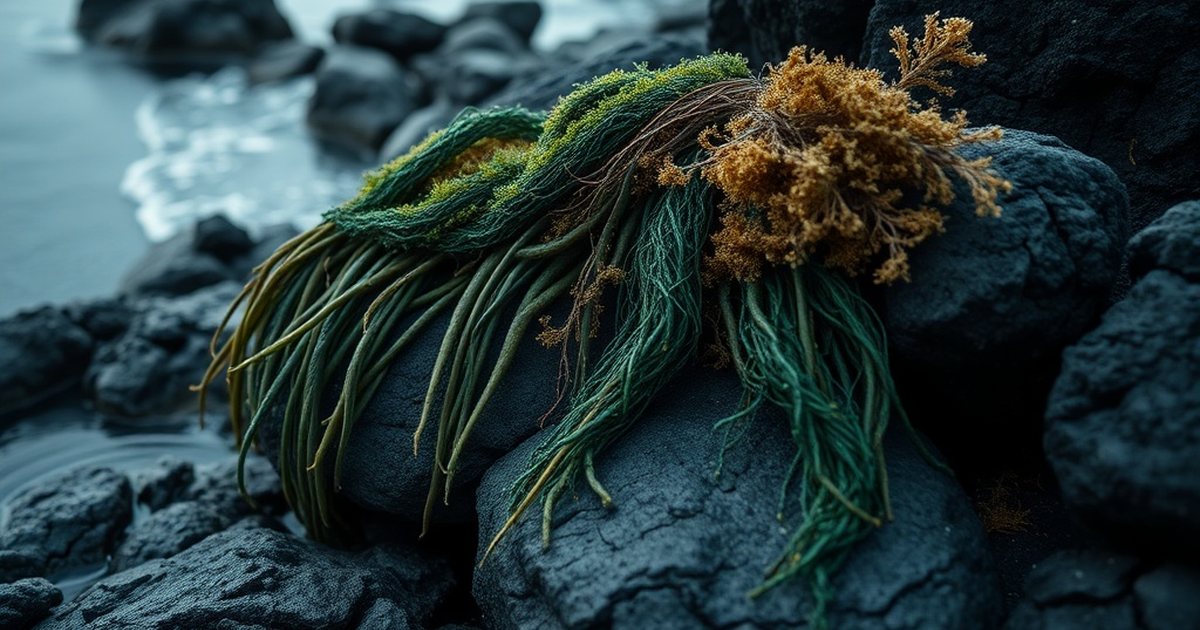
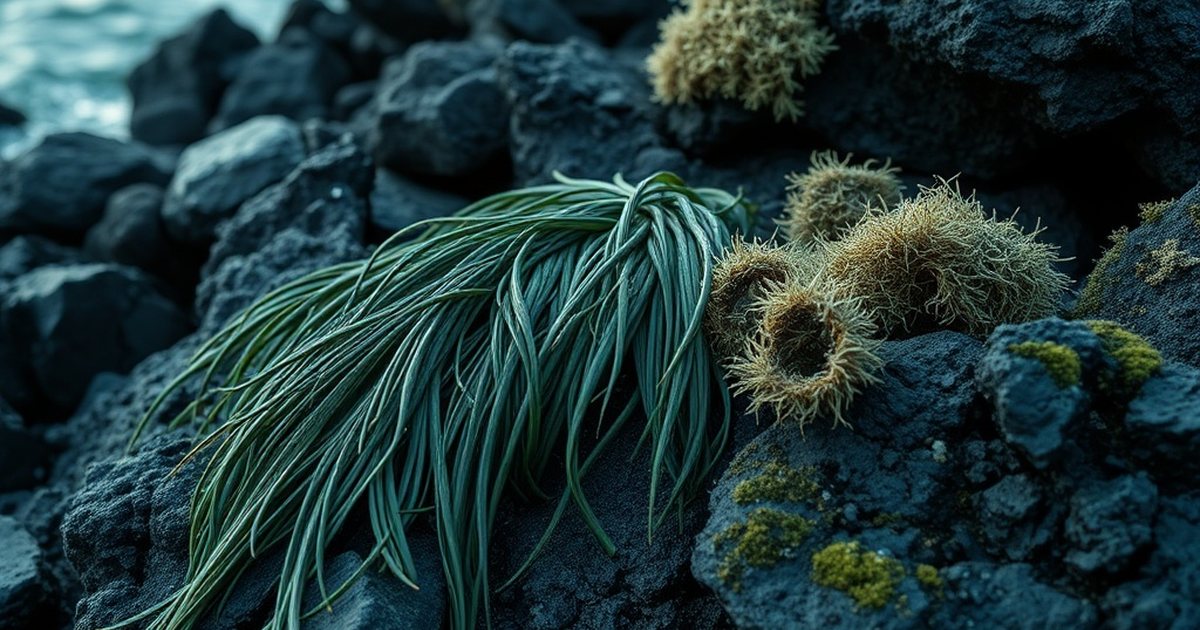
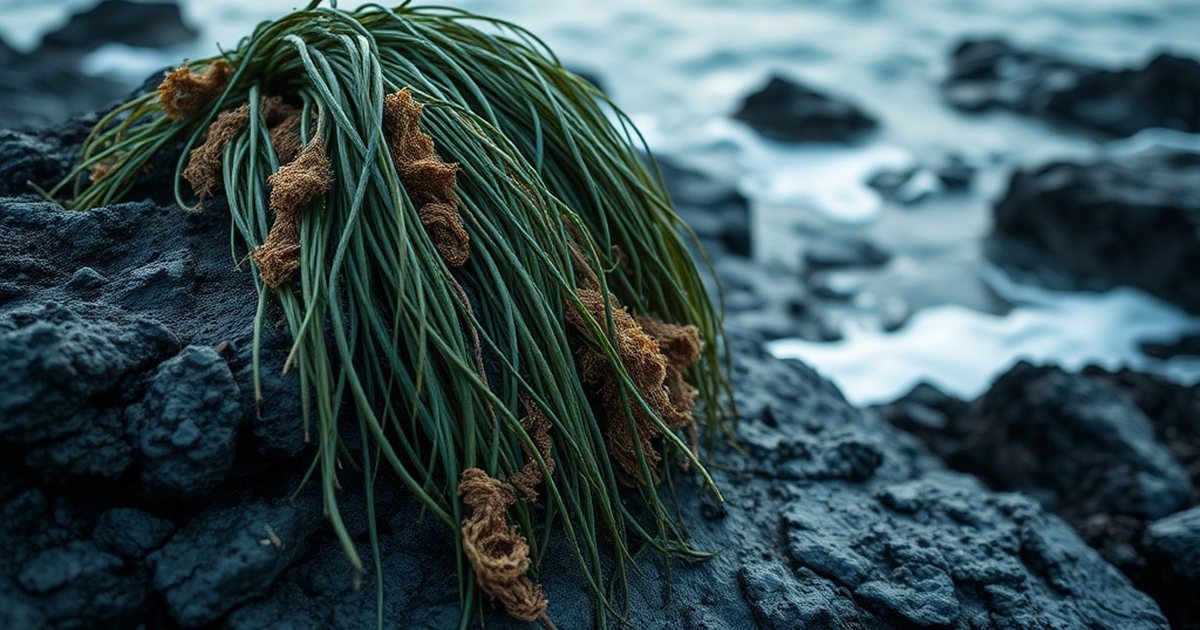
Sea moss is a red seaweed that grows in coastal waters and is traditionally soaked and blended into a gel used as a food thickener and folk remedy. Its main draws are trace minerals and iodine, plus carrageenan-family polysaccharides that give it a gel-like texture. It’s often marketed alongside bladderwrack, a brown seaweed with a much better-documented iodine and thyroid connection, but the two are not the same plant and shouldn’t be assumed to have identical effects.
Spirulina is a cyanobacterium, sometimes called blue-green algae, that’s cultivated in both open ponds and controlled systems for its protein, beta-carotene, phycocyanin, and mineral content. Most of the evidence available here comes from that side of the comparison. Cultivation conditions matter for its final nutrient profile; supplementing the growth medium of open-pond spirulina has been shown to change its biochemical composition and microbial safety profile [4], which means not all spirulina products are nutritionally equivalent even when the species is the same.

The Evidence Gap: Sea Moss vs Spirulina Research
This is the most important thing to understand before choosing between them: spirulina has a meaningfully larger body of research behind it, even if most of that research is preclinical or from athlete populations rather than large human trials. A review of spirulina’s health-promoting properties has focused specifically on its potential role in athletic performance and recovery, covering areas like antioxidant activity and post-exercise inflammation [1].
Sea moss, by contrast, does not have comparable dedicated clinical research behind it in the way spirulina or its cousin bladderwrack do. Most of what’s said about sea moss and thyroid or gut health is extrapolated from its iodine and polysaccharide content, not from trials on sea moss itself. That doesn’t mean it does nothing, it means the specific wellness claims attached to it (immunity, libido, skin, weight loss) are running well ahead of what’s actually been tested in humans.
What Spirulina Research Actually Shows
Much of the more rigorous spirulina data comes from animal and livestock studies, which is useful for understanding biological mechanisms but doesn’t directly translate to human dosing or outcomes. In growing Najdi lambs, different levels of dietary spirulina supplementation affected productive performance, nutrient digestibility, blood metabolites, and meat quality [2]. In sheep, spirulina supplementation altered the expression of several metabolically relevant genes (AANAT, ADRB3, BTG2, and FASN) in fat and muscle tissue [3].
There’s also emerging research into more specific physiological effects: one study looked at whether dietary spirulina supplementation could support erectile function in obese rats fed a hypercaloric diet, examining oxidative stress pathways [5]. These are animal models, not clinical evidence for humans, but they illustrate why spirulina has attracted more scientific attention than sea moss, there are more angles being actively studied, even if the human-relevant conclusions aren’t settled yet.

Separately, selenium, a mineral sometimes discussed alongside algae supplements for immune support, has been the subject of clinical trial and patent literature review in the context of COVID-19 [6]. This isn’t spirulina-specific evidence, but it’s a reminder that mineral-based immune claims need their own dedicated research, not an assumption that any given supplement containing trace minerals confers the same benefit.
Iodine, Thyroid Function, and the Sea Moss Caveat
The most credible mechanism behind sea moss’s traditional thyroid reputation is iodine content, and this is exactly where caution matters most. Sea moss and bladderwrack blends are not standardized, iodine content varies significantly by product, harvest location, and processing method. Too much iodine can trigger or worsen thyroid dysfunction, particularly in bladderwrack-heavy blends, and this risk is highest for people who already have thyroid disease, are pregnant, or are on levothyroxine.
Spirulina does not carry this same iodine-driven thyroid risk in the same way, since it isn’t primarily valued or dosed for iodine content. That’s a meaningful practical difference: someone managing thyroid sensitivity has a different risk calculus with sea moss than they do with spirulina.
Contamination and Sourcing: A Bigger Concern Than People Realize
Both categories carry sourcing risk, but for different reasons. Unregulated, wildcrafted sea moss has been found to carry heavy metal contamination, arsenic, lead, and cadmium, depending on the waters it’s harvested from and how it’s processed. This is a real, documented concern in the wild-harvest supply chain, not a hypothetical one.
Spirulina’s biggest quality-control variable is cultivation conditions rather than heavy metals specifically. Open-pond spirulina cultivation studies have shown that nutrient supplementation during growth changes both the biochemical composition and the microbial safety profile of the final product [4], meaning contamination risk in spirulina is more about microbial safety and growing conditions than about the seaweed-specific heavy metal accumulation problem. In both cases, third-party testing and transparent sourcing matter more than the marketing on the label.
Which One Should You Actually Consider?
If your interest is trace minerals, iodine, and a traditional gut-supportive gel, sea moss fits that traditional-use profile, but go in knowing the clinical evidence for its specific health claims is thin and the iodine variability is a real risk factor, especially if you have any thyroid condition. If your interest is protein density, antioxidant compounds, or you’re an athlete looking at recovery-adjacent supplementation, spirulina has a larger, if still early-stage, evidence base behind it [1].
Neither is a replacement for medical treatment of any condition, and the FDA has not evaluated either for treating, curing, or preventing disease. The honest comparison isn’t “which one wins,” it’s that they serve different purposes, carry different risk profiles, and neither has the depth of human clinical evidence that the marketing around them implies.
🛒 Where to Buy Sea Moss & Bladderwrack
- CleanseParasites Intra-Cellular Superfood Editor’s Pick
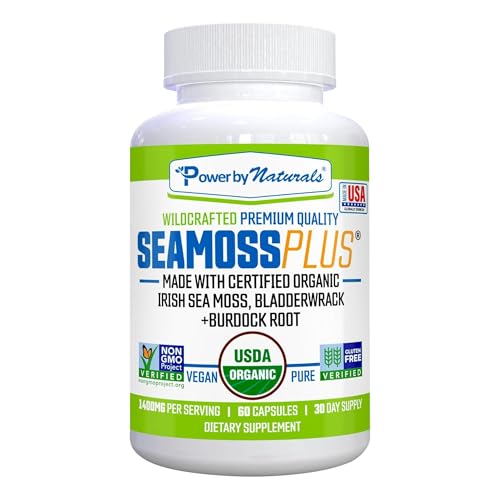
Contains sea moss and bladderwrack alongside black cumin seed and other superfood ingredients. - American Standard Supplements Organic Sea Moss, Bladderwrack & Burdock Root Capsules
capsules, 1200mg sea moss / 1200mg bladderwrack / 225mg burdock root per serving, 120 capsules — High-dose transparent-label blend, vegan, non-GMO, made in USA; clearly stated per-ingredient milligrams rather than a proprietary blend - Secret Element Sea Moss Capsules with Burdock Root, Bladderwrack & Muira Puama
capsules, 120 capsules — Budget-friendly 4-ingredient blend, gluten-free, made in USA - Nutrivein Organic Sea Moss 1600mg with Bladderwrack & Burdock
capsules, 1600mg sea moss per serving plus bladderwrack and burdock — Widely available mid-tier brand, marketed for immune/digestive/thyroid/skin support claims
As an Amazon Associate we earn from qualifying purchases. Quality varies widely — always choose a product with a published third-party test (COA) before buying.

A Note on the Evidence
Most of the evidence on spirulina here comes from animal studies or athlete-focused reviews rather than large human trials, and sea moss lacks comparable dedicated clinical research altogether; talk to a doctor before using either supplement if you have a thyroid condition, are pregnant, or take thyroid medication, and choose third-party-tested products given documented contamination risks in unregulated sea moss and variability in spirulina cultivation.
Frequently Asked Questions
Is sea moss or spirulina better for thyroid health?
Neither has strong direct clinical evidence for improving thyroid function. Sea moss’s iodine content can actually worsen thyroid dysfunction in sensitive individuals, especially in bladderwrack-heavy blends, so it requires more caution, not less, if you have a thyroid condition.
Can I take sea moss and spirulina together?
There’s no clinical research specifically evaluating the combination. If you choose to combine them, watch your total iodine intake from sea moss and check with a doctor first, particularly if you’re pregnant, have thyroid disease, or take levothyroxine.
Does spirulina have research support for athletic performance?
There’s a review focused on spirulina’s potential role in athletes’ performance and recovery, covering antioxidant and recovery-related mechanisms [1], but this is early-stage evidence, not a settled clinical recommendation.

Is sea moss safe for everyone?
No. Unregulated, wildcrafted sea moss can carry heavy metal contamination (arsenic, lead, cadmium) depending on harvest waters, and its variable iodine content poses a specific risk for people with thyroid conditions, pregnant individuals, or those on thyroid medication.
Why does spirulina quality vary so much between brands?
Cultivation conditions significantly affect spirulina’s final composition. Research on open-pond spirulina cultivation found that nutrient supplementation during growth changed both the biochemical makeup and the microbial safety profile of the harvested product [4].
Is there any human clinical trial data specific to sea moss?
Not within the evidence available here. Most sea moss claims are extrapolated from its mineral and iodine content rather than from dedicated clinical trials on sea moss itself, which is a meaningful evidence gap compared to spirulina’s research base.
References
- Chaouachi M et al. A Review of the Health-Promoting Properties of Spirulina with a Focus on athletes' Performance and Recovery. Journal of dietary supplements (2024). PMID 37143238
- Alghonaim AA et al. Effects of different levels of spirulina (Arthrospira platensis) supplementation on productive performance, nutrient digestibility, blood metabolites, and meat quality of growing Najdi lambs. Tropical animal health and production (2022). PMID 35235076
- Kashani A et al. Effect of dietary supplementation with Spirulina on the expressions of AANAT, ADRB3, BTG2 and FASN genes in the subcutaneous adipose and Longissimus dorsi muscle tissues of purebred and crossbred Australian sheep. Journal of animal science and technology (2015). PMID 26290728
- Noufeu T et al. Effect of Nutrient Supplementation on the Biochemical Composition and Microbial Safety of Open-Pond Spirulina Cultivated in Cameroon. Foods (Basel, Switzerland) (2025). PMID 40941125
- Diniz AFA et al. Potential Therapeutic Role of Dietary Supplementation with Spirulina platensis on the Erectile Function of Obese Rats Fed a Hypercaloric Diet. Oxidative medicine and cellular longevity (2020). PMID 32685091
- Alshammari MK et al. Selenium and COVID-19: A spotlight on the clinical trials, inventive compositions, and patent literature. Journal of infection and public health (2022). PMID 36265330
These statements have not been evaluated by the Food and Drug Administration. This information is not intended to diagnose, treat, cure, or prevent any disease. Content is for informational purposes only and is not medical advice; consult a qualified healthcare provider before starting any supplement. As an Amazon Associate we earn from qualifying purchases.
