Sea moss (Chondrus crispus) and bladderwrack (Fucus vesiculosus) are often sold together, but they differ chemically: sea moss is a red seaweed rich in carrageenan, while bladderwrack and other brown seaweeds such as Ascophyllum nodosum provide alginate. The research on blood glucose effects centers on alginate’s viscosity and enzyme-inhibition properties, not on sea moss specifically.
This article summarizes the available human and mechanistic data on alginate supplementation and postprandial glucose attenuation, notes where sea moss fits (and does not fit) in that evidence base, and highlights safety considerations around iodine and heavy metals in unstandardized seaweed products.
Key Takeaways
- Alginate from brown seaweeds (not sea moss) shows modest postprandial glucose attenuation in small human trials, mainly via gastric gel viscosity.
- Mechanistic data indicate alginate can inhibit alpha-amylase and alpha-glucosidase in vitro, but human relevance is unconfirmed.
- Whole brown seaweed (Ascophyllum) in bread reduced energy intake but not postprandial glucose in a pilot study, highlighting matrix and dose dependence.
- Sea moss (Chondrus crispus) contains carrageenan, not alginate; no direct glycemic trials exist for sea moss itself.
- Supplement alginate and iodine content are unstandardized; third-party testing is essential for safety and consistency.
Alginate Viscosity and Gastric Emptying: The Primary Proposed Mechanism
Alginate is a linear polysaccharide extracted from brown seaweeds that forms a viscous gel in the acidic stomach environment. This gel can slow gastric emptying and create a diffusion barrier in the small intestine, which may blunt the rate of glucose absorption after a carbohydrate-containing meal. A 2013 review of animal and human studies concluded that alginate supplementation can reduce postprandial glycemic excursions, largely attributed to this physical gel-forming effect [1].
The same review noted that dose, molecular weight, and food matrix influence the magnitude of the effect, and that many human trials were small or short-term. It also highlighted appetite-regulating signals (e.g., CCK, ghrelin) as secondary pathways that could indirectly affect glycemic control over time [1].
Human Trial Data: Calcium Alginate in a Noodle Matrix
A randomized, double-blind, crossover trial tested calcium alginate incorporated into noodles and measured postprandial blood glucose in healthy adults. The alginate-fortified noodles significantly reduced incremental area under the curve (iAUC) for glucose compared with control noodles, supporting the concept that alginate delivered within a starchy food can attenuate the postprandial glucose spike [2].

The study used a defined calcium alginate dose in a controlled matrix, which limits direct extrapolation to raw seaweed or variable supplements. The authors noted that the viscosity generated in situ likely delayed starch digestion and glucose absorption, consistent with the gel-formation mechanism [2].
Enzyme Inhibition: Alpha-Amylase and Alpha-Glucosidase
Beyond physical viscosity, sodium alginate has demonstrated inhibitory activity against key carbohydrate-digesting enzymes in vitro. A 2025 mechanistic study reported that sodium alginate moderately inhibited alpha-glucosidase but had limited effects on alpha-amylase [3].
The researchers proposed that this enzymatic inhibition could complement the gel-barrier effect, further slowing oligosaccharide breakdown to absorbable monosaccharides. However, these findings are from cell-free assays; bioavailability of alginate polymers in the human lumen and their effective concentration at the brush border remain to be established [3].

Brown Seaweed (Ascophyllum nodosum) in Bread: Energy Intake vs. Glucose
A pilot study in healthy, overweight males evaluated bread enriched with Ascophyllum nodosum (a brown seaweed containing alginate and polyphenols). The seaweed-enriched bread reduced subsequent energy intake at an ad libitum lunch, but did not significantly alter postprandial glucose or cholesterol responses compared with control bread [4].
The authors speculated that the alginate dose or molecular weight in the whole-seaweed ingredient may have been insufficient to generate the gastric viscosity needed for glucose attenuation, or that the study was underpowered for glycemic endpoints. This underscores that not all seaweed deliveries yield the same metabolic effect [4].

Sea Moss (Chondrus crispus) vs. Brown Seaweeds: A Critical Distinction
Sea moss is a red alga whose principal polysaccharide is carrageenan, not alginate. Carrageenan has different rheological properties and has not been studied for postprandial glucose attenuation in the same way. Blends marketed as “sea moss and bladderwrack” derive any alginate content from the bladderwrack (brown seaweed) component, which varies widely by harvest, species, and processing.
Because commercial supplements are not standardized for alginate content, consumers cannot assume a given product delivers the doses used in the cited trials. Third-party certificates of analysis for polysaccharide profile and iodine are rare but necessary for any evidence-informed use.
Practical Implications and Evidence Gaps
The collective evidence suggests that purified or food-matrix-delivered alginate from brown seaweeds can modestly reduce postprandial glucose spikes in healthy or overweight adults, primarily through gastric gel formation and possibly enzyme inhibition [2][1][3]. Effects in people with type 2 diabetes, on glucose-lowering medication, or over long durations are not established.
No clinical trials have tested whole sea moss (Chondrus crispus) for glycemic outcomes. Claims that “sea moss controls blood sugar” extrapolate from brown-seaweed alginate data and ignore compositional differences, dose variability, and the lack of direct evidence. Regulatory bodies have not evaluated seaweed supplements for diabetes management.
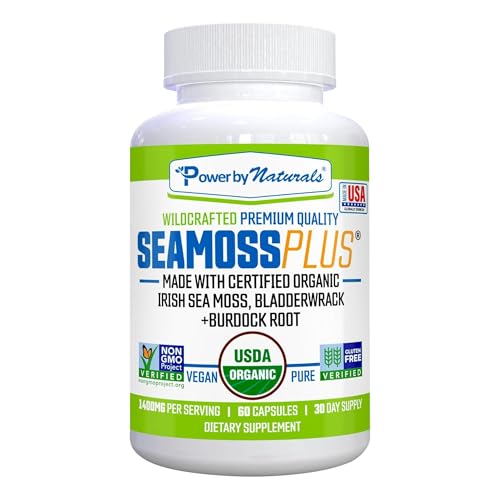
🛒 Where to Buy Sea Moss & Bladderwrack
- CleanseParasites Intra-Cellular Superfood Editor’s Pick
Contains sea moss and bladderwrack alongside black cumin seed and other superfood ingredients. - American Standard Supplements Organic Sea Moss, Bladderwrack & Burdock Root Capsules
capsules, 1200mg sea moss / 1200mg bladderwrack / 225mg burdock root per serving, 120 capsules — High-dose transparent-label blend, vegan, non-GMO, made in USA; clearly stated per-ingredient milligrams rather than a proprietary blend - Secret Element Sea Moss Capsules with Burdock Root, Bladderwrack & Muira Puama
capsules, 120 capsules — Budget-friendly 4-ingredient blend, gluten-free, made in USA - Nutrivein Organic Sea Moss 1600mg with Bladderwrack & Burdock
capsules, 1600mg sea moss per serving plus bladderwrack and burdock — Widely available mid-tier brand, marketed for immune/digestive/thyroid/skin support claims
As an Amazon Associate we earn from qualifying purchases. Quality varies widely — always choose a product with a published third-party test (COA) before buying.
A Note on the Evidence
Evidence for glucose attenuation comes from alginate (brown seaweeds), not sea moss; human trials are small, short-term, and mostly in healthy adults. Iodine and heavy-metal content in unregulated seaweed products pose real risks, especially for thyroid conditions and pregnancy. Consult a healthcare provider before using seaweed supplements for metabolic purposes.
Frequently Asked Questions
Does sea moss lower blood sugar?
No clinical trials have tested sea moss (Chondrus crispus) for blood glucose effects. The evidence for postprandial glucose attenuation comes from alginate, a polysaccharide found in brown seaweeds like bladderwrack and Ascophyllum nodosum, not in sea moss [2][1].

How does alginate affect postprandial glucose?
Alginate forms a viscous gel in the stomach that slows gastric emptying and creates a diffusion barrier, reducing the rate of glucose absorption. Some in vitro data also show inhibition of alpha-amylase and alpha-glucosidase [1][3].

Can I replace diabetes medication with seaweed supplements?
No. The FDA has not evaluated seaweed supplements for treating diabetes. Alginate’s effects are modest, studied mainly in healthy or overweight adults, and supplements vary widely in composition. Never change medication without medical supervision.
Are sea moss and bladderwrack blends standardized for alginate?
Most are not. Alginate content depends on the brown seaweed proportion, species, harvest location, and processing. Without a certificate of analysis, the alginate dose is unknown and may be far below amounts used in research [2].
What are the risks of using these products for blood sugar?
Brown seaweeds are high in iodine, which can trigger or worsen thyroid dysfunction, especially with existing thyroid disease, pregnancy, or levothyroxine use. Wildcrafted seaweeds may also contain arsenic, lead, or cadmium depending on water quality.
Is there long-term safety data for daily alginate supplementation?
Long-term human safety data for concentrated alginate supplements are limited. The 2013 review noted most trials were short-term; chronic high iodine intake from brown seaweed sources remains a concern for thyroid health [1].
References
- Georg Jensen M et al. Review: efficacy of alginate supplementation in relation to appetite regulation and metabolic risk factors: evidence from animal and human studies. Obesity reviews : an official journal of the International Association for the Study of Obesity (2013). PMID 23145880
- Kato T et al. Randomized, Double-Blind, Crossover Clinical Trial of the Effect of Calcium Alginate in Noodles on Postprandial Blood Glucose Level. Biological & pharmaceutical bulletin (2018). PMID 29973437
- Daub CD et al. Exploring the Inhibitory Potential of Sodium Alginate Against Digestive Enzymes Linked to Obesity and Type 2 Diabetes. Molecules (Basel, Switzerland) (2025). PMID 40076378
- Hall AC et al. Ascophyllum nodosum enriched bread reduces subsequent energy intake with no effect on post-prandial glucose and cholesterol in healthy, overweight males. A pilot study. Appetite (2012). PMID 22100188
These statements have not been evaluated by the Food and Drug Administration. This information is not intended to diagnose, treat, cure, or prevent any disease. Content is for informational purposes only and is not medical advice; consult a qualified healthcare provider before starting any supplement. As an Amazon Associate we earn from qualifying purchases.
