Sea moss (Chondrus crispus) and bladderwrack (Fucus vesiculosus) are promoted on social media as mineral-dense superfoods for pregnancy and lactation, largely due to their naturally occurring iodine. However, the iodine content in these seaweeds varies dramatically by species, harvest location, season, and processing, making it impossible to rely on them for consistent intake.
Pregnancy and lactation increase iodine requirements substantially, and both deficiency and excess can impair maternal and infant thyroid function. While iodine supplementation is well-studied, no clinical trials have evaluated sea moss or bladderwrack specifically in pregnant or breastfeeding people. This article reviews the evidence on iodine needs, the risks of uncontrolled seaweed iodine, contaminant data, and practical steps for safer decision-making.
Key Takeaways
- Iodine needs increase to 220 µg/day in pregnancy and 290 µg/day in lactation; both deficiency and excess harm maternal and infant thyroid function.
- Sea moss and bladderwrack iodine content varies by orders of magnitude; no regulatory standardization or mandatory testing exists.
- Wildcrafted seaweeds can accumulate arsenic, lead, cadmium, and mercury; third-party certificates of analysis are essential but rarely provided.
- No clinical trials evaluate sea moss or bladderwrack safety or efficacy in pregnancy or breastfeeding.
- A prenatal vitamin with 150 µg potassium iodide plus iodized salt is a reliable, studied way to meet iodine needs.
Iodine Requirements Rise Sharply in Pregnancy and Lactation
The recommended dietary allowance (RDA) for iodine increases from 150 µg/day for non-pregnant adults to 220 µg/day during pregnancy and 290 µg/day during lactation. Adequate iodine is essential for fetal neurodevelopment and for supplying the infant via breast milk. Both insufficient and excessive iodine intake during these periods can disrupt thyroid hormone production in the mother and the developing child [1].
Assessing iodine status in individuals remains challenging. Spot urinary iodine concentration (UIC) reflects recent intake but varies day to day; median UIC from a population sample is preferred for status assessment. In pregnancy, the WHO defines adequate intake as a median UIC of 150–249 µg/L, while lactating women and infants have separate reference ranges [2]. These nuances mean self-directed seaweed use cannot be guided by a single urine test.

Sea Moss and Bladderwrack Deliver Unpredictable Iodine Doses
Published analyses show that iodine content varies by orders of magnitude across edible seaweeds, from 16 µg per gram of dry weight in nori up to 8,165 µg/g in one sample of processed kelp granules [3]. That spread tracks the algal group rather than the marketing label: seasonal measurements of temperate species place the red algae that Chondrus crispus (sea moss) belongs to on the order of 13 to 127 µg/g, the brown Fucales that include Fucus vesiculosus (bladderwrack) roughly ten times higher, and the kelps higher again [4]. Neither extreme of the published range describes sea moss itself. A single teaspoon of a blended powder could therefore provide anywhere from a fraction of the RDA to many times the tolerable upper intake level (UL) of 1,100 µg/day for adults. This variability stems from species differences, growing conditions, and post-harvest handling — none of which are disclosed on most supplement labels.
No standardization exists for sea moss or bladderwrack supplements sold in the U.S. The FDA does not evaluate these products for safety, efficacy, or iodine content before marketing. Without third-party batch testing for iodine, a consumer cannot know whether a daily serving delivers a physiologically appropriate amount or a potentially thyrotoxic dose.
Heavy Metal Contamination Is a Documented Concern in Wildcrafted Seaweeds
Seaweeds bioaccumulate elements from their marine environment. Independent testing of commercial sea moss products has detected arsenic (primarily as less toxic arsenosugars, but also inorganic arsenic), lead, cadmium, and mercury at levels that can exceed Proposition 65 or international safety thresholds depending on serving size. Harvest waters near industrial runoff, shipping lanes, or historic mining areas pose higher risk.
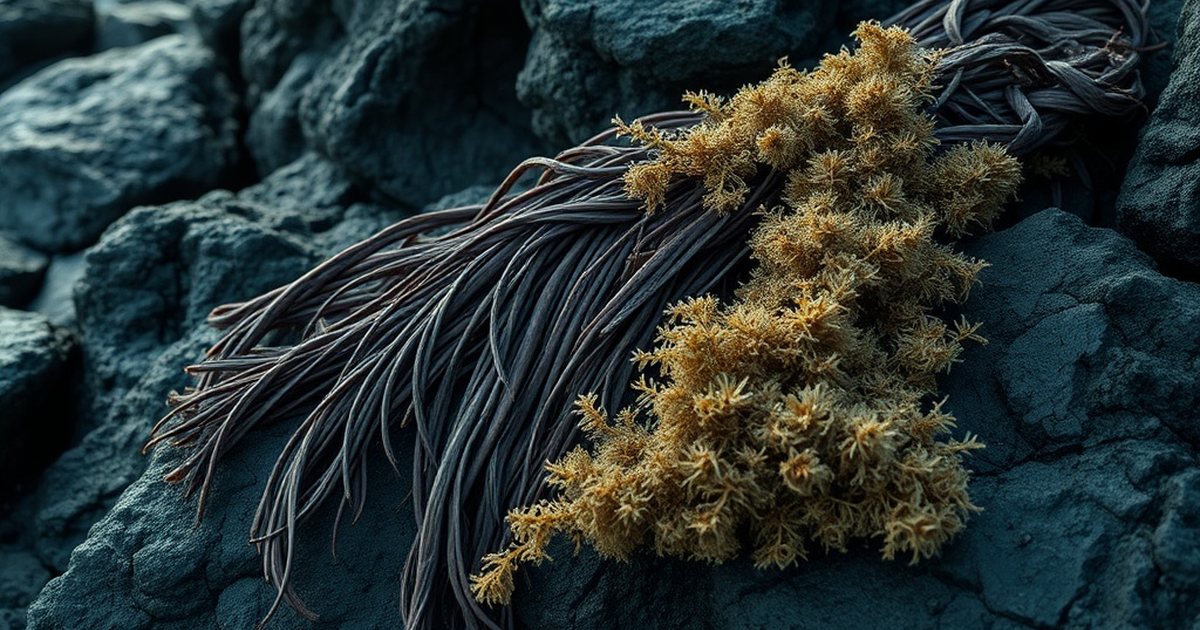
Processing methods (sun-drying vs. mechanical drying, washing, milling) affect final contaminant levels, but most brands do not publish certificates of analysis (COAs) for heavy metals. For pregnant and lactating people, who are more vulnerable to neurotoxic metals like lead and methylmercury, the absence of transparent testing is a significant safety gap.

Clinical Evidence on Seaweed Supplementation in Pregnancy Is Absent
Systematic reviews of micronutrient supplementation in breastfeeding women focus on formulated multiple-micronutrient preparations with known doses, not whole seaweeds [5]. Those reviews find modest benefits for maternal and infant micronutrient status when deficiencies exist, but they do not support unstandardized botanical products.
Population studies of iodine status in mother-infant dyads, such as a Montreal cohort, show that even in iodine-sufficient regions, a subset of pregnant and lactating women fall below adequacy thresholds [6]. However, these studies used iodized salt and prenatal supplements as iodine sources — not sea moss. Extrapolating from potassium iodide trials to variable seaweed powders is not evidence-based.
Thyroid Vulnerability: Who Is at Greatest Risk from Excess Iodine?
People with pre-existing thyroid autoimmunity (Hashimoto’s, Graves’ disease), nodular goiter, or a history of postpartum thyroiditis are especially susceptible to iodine-induced thyroid dysfunction. In pregnancy, the thyroid gland is already under increased demand; a sudden large iodine load from a high-iodine seaweed batch can trigger hypothyroidism or thyrotoxicosis [1].
Levothyroxine requirements often change during pregnancy. Adding an uncontrolled iodine source complicates dose management and lab interpretation. The American Thyroid Association recommends that pregnant women ingest 150 µg/day of iodine from a reliable supplement (typically potassium iodide in a prenatal vitamin), not from variable dietary sources.
Practical Steps: Testing, Sourcing, and Safer Alternatives
If a patient insists on using sea moss, the minimum safeguards are: (1) a recent third-party COA for the specific lot showing iodine content (µg per serving) and heavy metals (arsenic speciation, lead, cadmium, mercury); (2) a serving size that keeps total daily iodine from all sources within 220–500 µg during pregnancy and 290–500 µg during lactation, well below the 1,100 µg UL; (3) ongoing thyroid function monitoring (TSH, free T4) each trimester and postpartum.
For most people, the safer, evidence-aligned approach is a prenatal vitamin containing 150 µg of potassium iodide, use of iodized salt in cooking, and inclusion of lower-iodine seaweeds like nori (typically 16–43 µg/g) in moderation. Dietary patterns that provide adequate iodine without mega-doses are supported by population data on mother-infant iodine status [6].
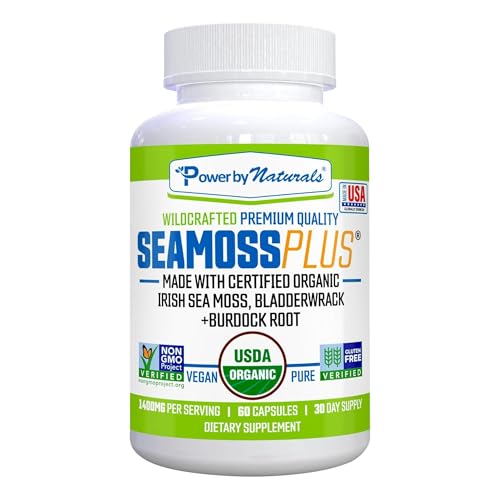
🛒 Where to Buy Sea Moss & Bladderwrack
- CleanseParasites Intra-Cellular Superfood Editor’s Pick
Contains sea moss and bladderwrack alongside black cumin seed and other superfood ingredients. - American Standard Supplements Organic Sea Moss, Bladderwrack & Burdock Root CapsulesLab-tested / studied
capsules, 1200mg sea moss / 1200mg bladderwrack / 225mg burdock root per serving, 120 capsules — High-dose transparent-label blend, vegan, non-GMO, made in USA; clearly stated per-ingredient milligrams rather than a proprietary blend - Secret Element Sea Moss Capsules with Burdock Root, Bladderwrack & Muira Puama
capsules, 120 capsules — Budget-friendly 4-ingredient blend, non-GMO, gluten-free, made in USA - Nutrivein Organic Sea Moss 1600mg with Bladderwrack & Burdock
capsules, 1600mg sea moss per serving plus bladderwrack and burdock — Widely available mid-tier brand, marketed for immune/digestive/thyroid/skin support claims
As an Amazon Associate we earn from qualifying purchases. Quality varies widely — always choose a product with a published third-party test (COA) before buying.

A Note on the Evidence
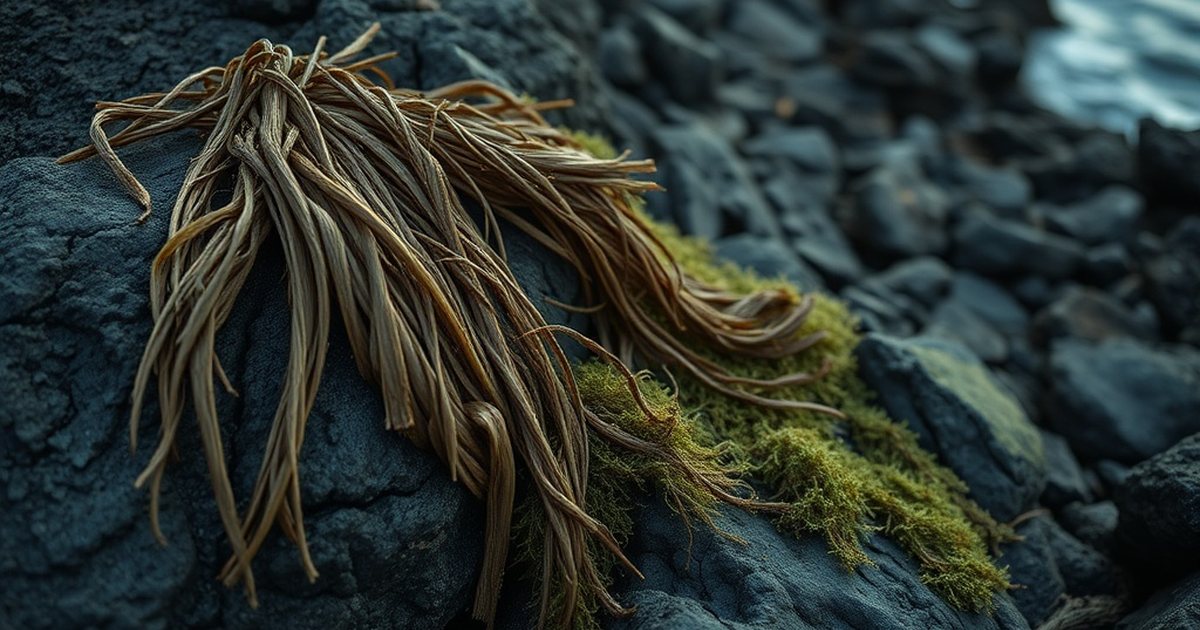
This article is informational, not medical advice. Iodine needs and thyroid risk vary by individual; pregnant and lactating people should consult a qualified healthcare provider before using any seaweed supplement. The cited evidence addresses iodine nutrition generally, not sea moss specifically.
Frequently Asked Questions
Can sea moss provide the extra iodine needed during pregnancy?
Sea moss contains iodine, but the amount per serving is highly unpredictable and can easily exceed the tolerable upper limit. Reliable iodine intake is better achieved with a prenatal vitamin containing 150 µg potassium iodide and iodized salt [1].
Is bladderwrack safer than sea moss for iodine during breastfeeding?
Bladderwrack (Fucus vesiculosus) typically has even higher and more variable iodine concentrations than Chondrus crispus, increasing the risk of excess intake. Neither is standardized or studied in lactation [2].
What heavy metals are found in sea moss, and do they matter for the baby?
Independent tests have detected arsenic, lead, cadmium, and mercury in commercial sea moss. Lead and methylmercury are neurodevelopmental toxicants; inorganic arsenic is a carcinogen. Pregnancy and lactation are sensitive windows for these contaminants.

How can I know if a sea moss brand is safe?
Request a lot-specific certificate of analysis (COA) from an ISO-accredited lab showing iodine per serving and heavy metal results (including arsenic speciation). Without a COA, you cannot verify safety or dosing.
Should I stop sea moss if I'm already taking a prenatal with iodine?
Yes. Combining an unquantified seaweed product with a prenatal vitamin risks iodine excess, especially if you have underlying thyroid disease. Discuss all supplements with your obstetric provider [1].
Are there any studies on sea moss benefits for pregnancy outcomes?
No published clinical trials evaluate sea moss or bladderwrack for any pregnancy or lactation outcome. Claims are based on traditional use and nutrient composition tables, not human evidence [5].
References
- Pearce EN et al. Consequences of iodine deficiency and excess in pregnant women: an overview of current knowns and unknowns. The American journal of clinical nutrition (2016). PMID 27534632
- Eastman CJ et al. Optimal Assessment and Quantification of Iodine Nutrition in Pregnancy and Lactation: Laboratory and Clinical Methods, Controversies and Future Directions. Nutrients (2019). PMID 31590373
- Teas J et al. Variability of iodine content in common commercially available edible seaweeds. Thyroid (2004). PMID 15588380
- Nitschke U et al. Variability in iodine in temperate seaweeds and iodine accumulation kinetics of Fucus vesiculosus and Laminaria digitata (Phaeophyceae, Ochrophyta). Journal of Phycology (2018). PMID 29130494
- Abe SK et al. Supplementation with multiple micronutrients for breastfeeding women for improving outcomes for the mother and baby. The Cochrane database of systematic reviews (2016). PMID 26887903
- Bertinato J et al. Iodine Status of Mother-Infant Dyads from Montréal, Canada: Secondary Analyses of a Vitamin D Supplementation Trial in Breastfed Infants. The Journal of nutrition (2022). PMID 35218192
These statements have not been evaluated by the Food and Drug Administration. This information is not intended to diagnose, treat, cure, or prevent any disease. Content is for informational purposes only and is not medical advice; consult a qualified healthcare provider before starting any supplement. As an Amazon Associate we earn from qualifying purchases.
