Sea moss (Chondrus crispus, also called Irish moss) has become a popular prenatal wellness trend, marketed as a way to boost energy, minerals, and ‘immunity’ during pregnancy. But pregnancy is exactly the context where a food’s iodine content matters most, and sea moss is a red seaweed with iodine levels that vary enormously depending on species, harvest location, and processing.
This article looks specifically at the iodine question, since that is where the actual clinical evidence exists. It does not cover fucoidan, carrageenan, or general mineral claims, because there isn’t controlled human research on sea moss itself in pregnancy. What follows is a plain look at why iodine intake is so tightly regulated in pregnancy, what happens when intake goes too low or too high, and why that makes an unstandardized seaweed supplement a genuinely different risk calculation than most prenatal foods.
Key Takeaways
- Iodine needs go up in pregnancy because maternal thyroid hormone drives fetal brain development [1].
- Sea moss and bladderwrack iodine content is not standardized, so a ‘serving’ can mean wildly different iodine doses between products.
- Both iodine deficiency and iodine excess during pregnancy are linked to maternal thyroid dysfunction and downstream fetal/neonatal risk [2] [3].
- People on thyroid medication, with existing thyroid disease, or in early pregnancy are at the highest risk from unpredictable iodine spikes.
- This is not medical advice; talk to your OB or midwife before adding sea moss or bladderwrack to a prenatal routine.
Why Iodine Matters So Much More in Pregnancy
Iodine is a building block of thyroid hormone, and thyroid hormone drives fetal brain and nervous system development, especially in the first and second trimesters before the fetal thyroid is fully functional. Maternal thyroid status during this window is directly tied to fetal outcomes [1].
Because of this, recommended iodine intakes are higher in pregnancy than at any other life stage, and both insufficient and excessive intake are flagged as risks by global health bodies [4]. Iodine deficiency in pregnancy is a well-documented cause of impaired fetal neurodevelopment, and correcting deficiency has been a major public health focus for decades [3]. This is part of why iodine-containing foods get promoted for pregnancy in the first place, but the same mechanism that makes iodine essential also makes it dangerous in excess.

The Real Problem: Sea Moss Iodine Content Is Not Standardized
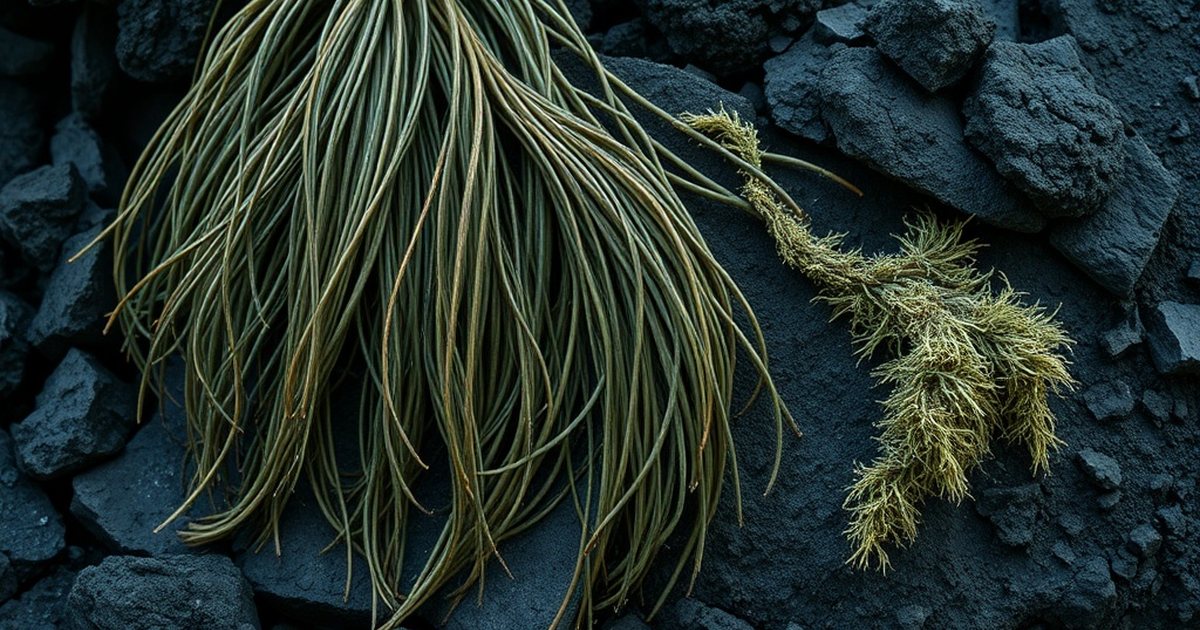
The issue with sea moss specifically isn’t that iodine is harmful, it’s that nobody, including the person selling you the product, can reliably tell you how much iodine is in a given serving. Seaweed iodine content varies by species, growing region, water conditions, and how the seaweed was dried or processed. Sea moss itself (Chondrus crispus) tends to carry less iodine than kelp-family seaweeds, but many commercial ‘sea moss’ blends and gels are cut with or marketed alongside bladderwrack (Fucus vesiculosus), which is a much higher-iodine brown seaweed.
This matters because dietary iodine intake during pregnancy has been directly studied against maternal thyroid function, and the relationship isn’t linear or forgiving, both too little and too much shift maternal thyroid markers in ways that can affect the pregnancy [5]. A product with no guaranteed iodine content, taken daily ‘for wellness,’ removes the ability to stay inside the safe range that pregnancy actually requires.

What Happens With Excess Iodine Intake
Excess iodine intake can suppress or dysregulate thyroid function even in people with no prior thyroid disease, an effect documented broadly in the general population [6] and specifically flagged as a toxicity risk with defined clinical thresholds [7].
In pregnancy, this isn’t a theoretical concern. A systematic review and meta-analysis found that excessive iodine intake during pregnancy is common in some populations and is associated with adverse maternal thyroid outcomes [2]. Animal research modeling iodine excess during pregnancy and lactation has also shown direct impairment of maternal thyroid function [8], reinforcing that this isn’t an intake level to guess at.

The downstream risk isn’t only maternal. Newborn and especially preterm infant thyroid systems are highly sensitive to iodine status inherited from maternal intake, and disruptions can complicate diagnosis and management of neonatal thyroid dysfunction [9] [10]. A recent review reiterates that both iodine deficiency and iodine excess during pregnancy carry distinct risks to thyroid hormone regulation and fetal development, and that dietary sources of concentrated iodine deserve specific caution [11].
Why 'Natural' Doesn't Mean 'Dosed Correctly'
Sea moss is often marketed as a gentle, food-based mineral source, which makes it easy to assume it can’t be overdone the way a supplement pill could. But the research above doesn’t distinguish between ‘iodine from a pill’ and ‘iodine from seaweed’, the thyroid responds to the amount of iodine absorbed, regardless of source [6].
Because sea moss and bladderwrack products aren’t standardized like a pharmaceutical, two jars from two different brands (or even two batches from the same brand) can carry meaningfully different iodine loads. Combined with the fact that a first-trimester recommendation for a person with normal thyroid function is different from a safe amount for someone on levothyroxine or with pre-existing thyroid dysfunction, this is not a ‘more is better’ mineral to self-dose during pregnancy.
Practical Guardrails If You're Considering It
If you’re pregnant and considering sea moss, the two things worth doing before anything else are: (1) get your iodine intake and thyroid status discussed with your OB or midwife, ideally with your prenatal vitamin’s iodine content in hand, and (2) recognize that ‘a little sea moss’ has no fixed meaning without knowing the product’s actual iodine content, which most labels don’t disclose accurately.
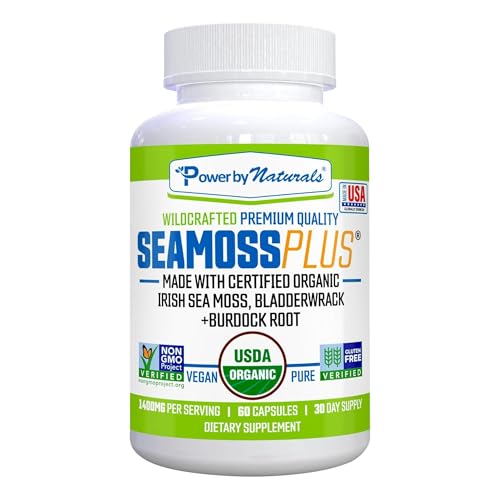
This is also where sourcing enters the picture separately from iodine: wildcrafted, unregulated sea moss carries a documented risk of heavy metal contamination (arsenic, lead, cadmium) depending on the waters it was harvested from and how it was processed, a risk that exists independent of the iodine question and is not something a home cook or consumer can test for.
🛒 Where to Buy Sea Moss & Bladderwrack
- CleanseParasites Intra-Cellular Superfood Editor’s Pick
Contains sea moss and bladderwrack alongside black cumin seed and other superfood ingredients. - American Standard Supplements Organic Sea Moss, Bladderwrack & Burdock Root Capsules
capsules, 1200mg sea moss / 1200mg bladderwrack / 225mg burdock root per serving, 120 capsules — High-dose transparent-label blend, vegan, non-GMO, made in USA; clearly stated per-ingredient milligrams rather than a proprietary blend - Secret Element Sea Moss Capsules with Burdock Root, Bladderwrack & Muira Puama
capsules, 120 capsules — Budget-friendly 4-ingredient blend, gluten-free, made in USA - Nutrivein Organic Sea Moss 1600mg with Bladderwrack & Burdock
capsules, 1600mg sea moss per serving plus bladderwrack and burdock — Widely available mid-tier brand, marketed for immune/digestive/thyroid/skin support claims
As an Amazon Associate we earn from qualifying purchases. Quality varies widely — always choose a product with a published third-party test (COA) before buying.

A Note on the Evidence
This article covers only the iodine/thyroid evidence base for sea moss and pregnancy; it is not a comprehensive safety review, and it is not medical advice. Anyone pregnant, trying to conceive, breastfeeding, on thyroid medication, or with an existing thyroid condition should talk to their OB, midwife, or endocrinologist before using sea moss, bladderwrack, or any iodine-containing supplement.
Frequently Asked Questions
Is sea moss safe to eat every day during pregnancy?
There’s no established safe daily amount because commercial sea moss products don’t reliably disclose iodine content, and pregnancy iodine needs sit in a narrow range where both too little and too much are linked to thyroid dysfunction [5]. Daily use without knowing the iodine load is not something the current evidence supports as clearly safe.
Does sea moss contain a lot of iodine?
It depends on species and processing, sea moss (Chondrus crispus) generally carries less iodine than kelp or bladderwrack, but many commercial blends combine seaweeds or aren’t clearly labeled, making the actual iodine content unpredictable [6].
What's the difference between sea moss and bladderwrack for iodine risk?
Bladderwrack (Fucus vesiculosus) is a brown seaweed generally understood to carry substantially more iodine than red seaweed sea moss, and it’s frequently blended into ‘sea moss’ products without clear labeling, which raises the iodine unpredictability described above.

Can too much iodine in pregnancy actually hurt the baby?
Excess maternal iodine intake has been associated with impaired maternal thyroid function in both human population data [2] and animal studies [8], and maternal thyroid status is directly tied to fetal thyroid and neurodevelopmental outcomes [11] [1].
I'm on levothyroxine or have a thyroid condition, does that change the risk?
Yes, this is precisely the group where added, unmeasured iodine intake is riskiest, since thyroid regulation is already altered. This is a conversation for your prescribing doctor before adding any iodine-containing supplement or seaweed product [6] [7].
Are there contamination risks with sea moss beyond iodine?
Yes. Wildcrafted, unregulated sea moss has been found to carry heavy metal contamination (arsenic, lead, cadmium) depending on harvest waters and processing, a separate risk from iodine content and one that isn’t verifiable from a label alone.
References
- Sack J et al. Thyroid function in pregnancy – maternal-fetal relationship in health and disease. Pediatric endocrinology reviews : PER (2003). PMID 16444155
- Candido AC et al. Prevalence of Excessive Iodine Intake in Pregnancy and Its Health Consequences: Systematic Review and Meta-analysis. Biological trace element research (2023). PMID 36018544
- Zimmermann MB et al. Iodine deficiency. Endocrine reviews (2009). PMID 19460960
- Bath SC et al. Thyroid function and iodine intake: global recommendations and relevant dietary trends. Nature reviews. Endocrinology (2024). PMID 38693274
- Rebagliato M et al. Iodine intake and maternal thyroid function during pregnancy. Epidemiology (Cambridge, Mass.) (2010). PMID 19940773
- Koukkou EG et al. Effect of excess iodine intake on thyroid on human health. Minerva medica (2017). PMID 28079354
- Southern AP et al. Iodine Toxicity. (2026). PMID 32809605
- Serrano-Nascimento C et al. Iodine excess exposure during pregnancy and lactation impairs maternal thyroid function in rats. Endocrine connections (2017). PMID 28814477
- LaFranchi SH et al. Thyroid Function in Preterm/Low Birth Weight Infants: Impact on Diagnosis and Management of Thyroid Dysfunction. Frontiers in endocrinology (2021). PMID 34211436
- Ares S et al. Iodine balance, iatrogenic excess, and thyroid dysfunction in premature newborns. Seminars in perinatology (2008). PMID 19007678
- Moreno-Reyes R et al. Critical Role of Iodine and Thyroid Hormones During Pregnancy. International journal of molecular sciences (2025). PMID 41226288
These statements have not been evaluated by the Food and Drug Administration. This information is not intended to diagnose, treat, cure, or prevent any disease. Content is for informational purposes only and is not medical advice; consult a qualified healthcare provider before starting any supplement. As an Amazon Associate we earn from qualifying purchases.
