Sea moss (Chondrus crispus) and bladderwrack (Fucus vesiculosus) have transitioned from traditional coastal foodways to global supplement staples, yet the market rarely distinguishes how the biomass was produced. The cultivation method—whether hand-harvested from wild rocky shores, long-lined in open coastal waters, or grown in land-based tank systems—acts as the primary architect of the final product’s mineral composition, contaminant profile, and structural polysaccharide content.
Unlike pharmaceutical raw materials, these seaweeds enter commerce as dietary supplements with no mandatory standardization for iodine concentration or heavy metal limits. The FDA has not evaluated these products for the treatment, cure, or prevention of any disease. For the consumer, understanding the chemical and ecological consequences of each production system is the only reliable filter between marketing narratives and the material reality of what ends up in the jar.
Key Takeaways
- Cultivation method dictates iodine dose and heavy metal risk more than species identity alone; a wildcrafted Chondrus batch can exceed a pool-grown Fucus batch in iodine if harvested from high-iodine waters.
- Wildcrafted sea moss carries the highest variability in both beneficial minerals and toxic contaminants; ocean farming offers a middle ground with ecosystem benefits but requires site-specific water-quality monitoring.
- Pool-grown systems enable precise control over iodine and contaminant exclusion but often sacrifice trace mineral diversity and polysaccharide structural complexity unless deliberately fortified and stressed.
- Third-party Certificates of Analysis for iodine (per serving), inorganic arsenic, lead, cadmium, and mercury are non-negotiable for any supplement purchase; “organic” or “wildcrafted” labels do not substitute for analytical data.
- Post-harvest drying and bleaching decisions alter the final chemistry as profoundly as the growing environment; unbleached, low-temperature dried material best preserves the native polysaccharide and micronutrient matrix.
Defining the Cultivation Spectrum: Wildcrafted, Ocean-Farmed, and Pool-Grown
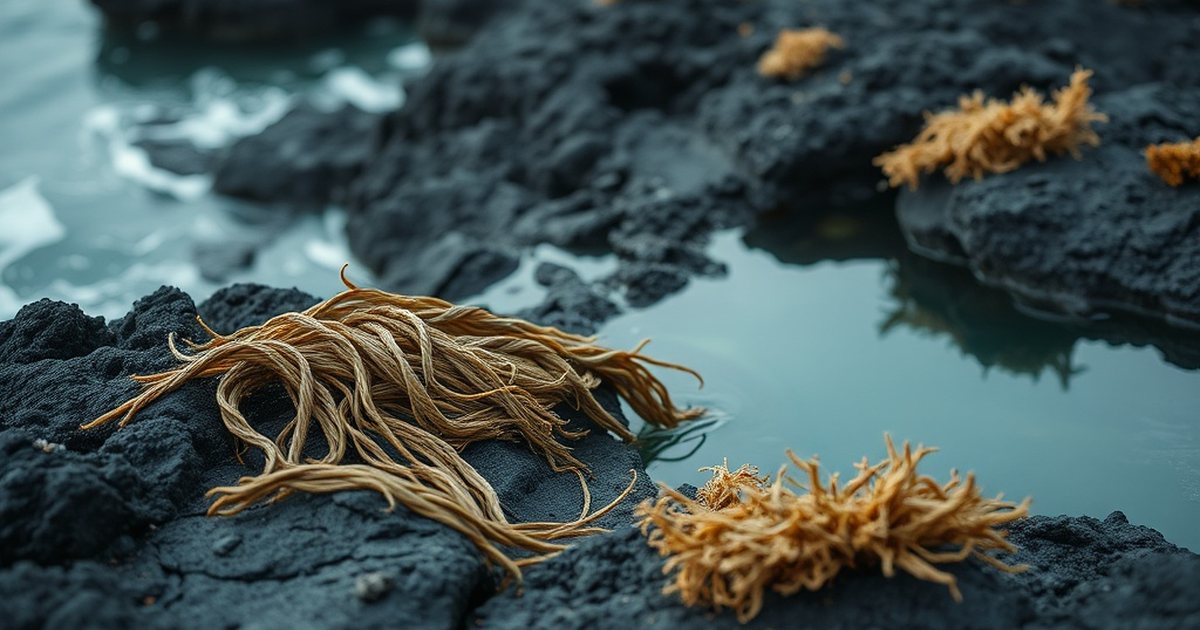
Wildcrafted sea moss refers to Chondrus crispus hand-harvested from its natural intertidal and subtidal habitat on rocky Atlantic coastlines. This method relies on natural seawater chemistry, seasonal light cycles, and ambient temperature fluctuations. Harvesters typically cut the fronds above the holdfast to allow regrowth, though enforcement of sustainable cutting practices varies by region. The resulting biomass reflects the specific mineral fingerprint of that shore—including whatever industrial runoff, municipal discharge, or natural geological leaching occurs in the harvest zone—and the age structure of the population is uncontrolled, leading to batch-to-batch variability in carrageenan yield and iodine load.
Ocean farming (often called open-water aquaculture) seeds juvenile Chondrus or Fucus onto long lines, nets, or rafts anchored in sheltered bays. This system retains the full ionic complexity of seawater—providing the 90-plus trace elements seaweeds are prized for—while allowing the farmer to control stocking density, harvest timing, and to some extent, the genetic cultivar deployed. Because the crop remains in the marine food web, it provides ecosystem services such as nutrient bioextraction (nitrogen, phosphorus) and habitat structure for invertebrates and juvenile fish. However, it remains exposed to ambient pollutants, harmful algal blooms, and the risk of genetic introgression into wild populations if fertile material escapes.

Pool-grown or tank-cultured sea moss moves the entire life cycle into land-based raceways or photobioreactors filled with synthetic or filtered seawater. Operators control salinity, temperature, light intensity, photoperiod, and nutrient dosing (nitrogen, phosphorus, iron, iodide). This precision eliminates exposure to marine heavy metals, microplastics, and petroleum residues, and it enables year-round production independent of latitude or season. The trade-off is energetic: pumps, chillers, heaters, and artificial lighting impose a significant carbon footprint unless powered by renewables. Moreover, the mineral diversity of the biomass is limited to what is deliberately added to the medium; trace elements like vanadium, chromium, or molybdenum may be absent unless specifically fortified.
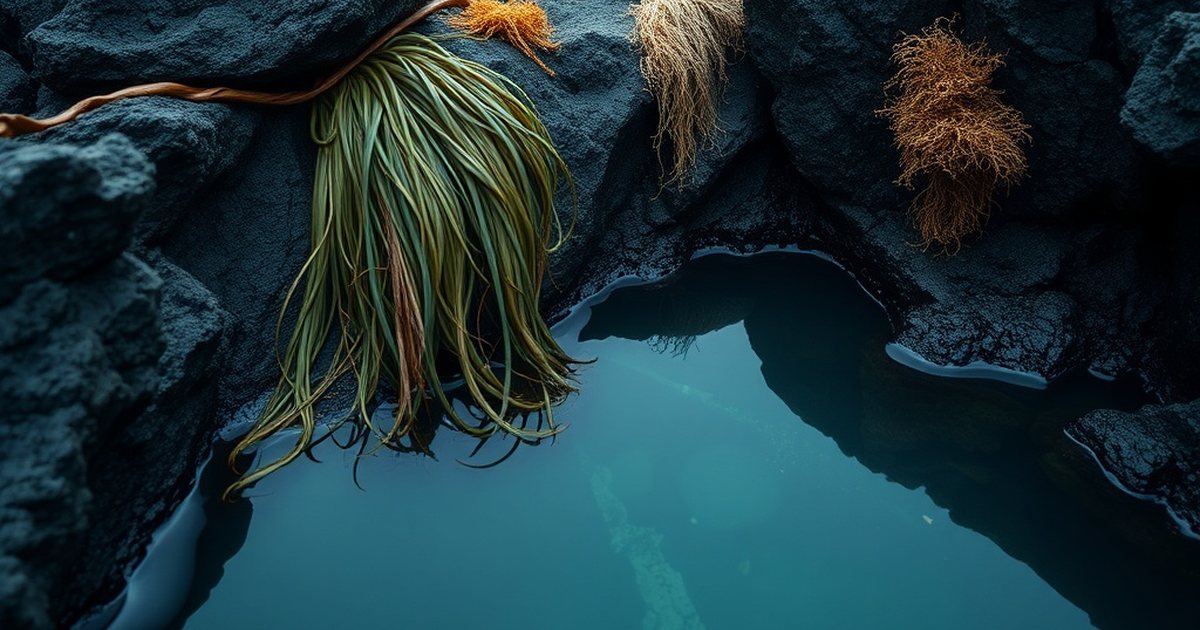
Iodine Content: The Critical Variable Across Systems
Iodine is the most pharmacologically active constituent in both Chondrus crispus and Fucus vesiculosus, and its concentration is dictated almost entirely by the iodine availability in the growing medium and the species’ inherent bioaccumulation capacity. Bladderwrack (Fucus) consistently concentrates iodine to higher levels than Irish moss (Chondrus), but both sit well below the figures usually quoted for kelp. Seasonal measurements of temperate seaweeds place the brown Fucales, which include Fucus vesiculosus, on the order of 127 to 1,270 µg per gram of dry weight (roughly 0.013% to 0.13%), and the red algae that Chondrus belongs to on the order of 13 to 127 µg/g (roughly 0.001% to 0.013%), with contents running above average in winter and below average in summer [1]. By comparison, a 12-species survey found the highest value of all, 8,165 µg/g, in processed kelp granules rather than in either of these species [2]. In wildcrafted and ocean-farmed systems, seawater iodide concentrations vary geographically by an order of magnitude (roughly 0.05–0.6 µM), meaning two visually identical batches of wild Chondrus from different coasts can deliver radically different iodine doses per gram.
Pool-grown systems decouple iodine content from geography. If the operator doses potassium iodide to mimic coastal levels, the crop will accumulate iodine predictably; if they omit it to produce a “low-iodine” product, the tissue concentration will plummet. Neither approach is inherently safer—both require analytical verification. Because supplements are not standardized, a “sea moss complex” blending wildcrafted Chondrus with wildcrafted Fucus can easily exceed the tolerable upper intake level for iodine (1,100 µg/day for adults) in a single serving, posing acute risk for individuals with autonomous thyroid nodules, Hashimoto’s thyroiditis, or those on levothyroxine replacement. The FDA has not evaluated these products for the treatment, cure, or prevention of any disease, and no regulatory ceiling exists for iodine in seaweed supplements sold in the United States.

Heavy Metal Accumulation and Environmental Contaminants
Seaweeds are efficient bioaccumulators of arsenic, lead, cadmium, mercury, and aluminum because they lack root barriers and bind metals to cell-wall polysaccharides (alginates, fucoidans, carrageenans). Wildcrafted biomass carries the highest contamination risk: harvest sites near historic mining districts, urban estuaries, or volcanic geology can yield Chondrus with inorganic arsenic levels exceeding 50 mg/kg dry weight and cadmium above 3 mg/kg. Ocean-farmed crops share the same water column, though farmers can site lines in cleaner Class A waters and implement depuration periods before harvest. However, neither wildcrafted nor ocean-farmed systems can remove metals already sequestered in the tissue.
Pool-grown sea moss offers a theoretical clean slate: if the source water is reverse-osmosis purified and the salt mix is pharmaceutical grade, heavy metal uptake can be reduced to near-detection limits. In practice, cost pressure leads some operators to use food-grade or agricultural-grade salts that contribute measurable lead and cadmium. Additionally, tank infrastructure (PVC piping, galvanized fittings, plastic liners) can leach plasticizers and metals into the recirculating water. Third-party Certificates of Analysis (CoAs) testing for the full panel—arsenic (speciated as inorganic), lead, cadmium, and mercury—are the only way to verify a clean batch, regardless of cultivation method. Marketing terms like “organic” or “wildcrafted” do not guarantee low heavy metal content.
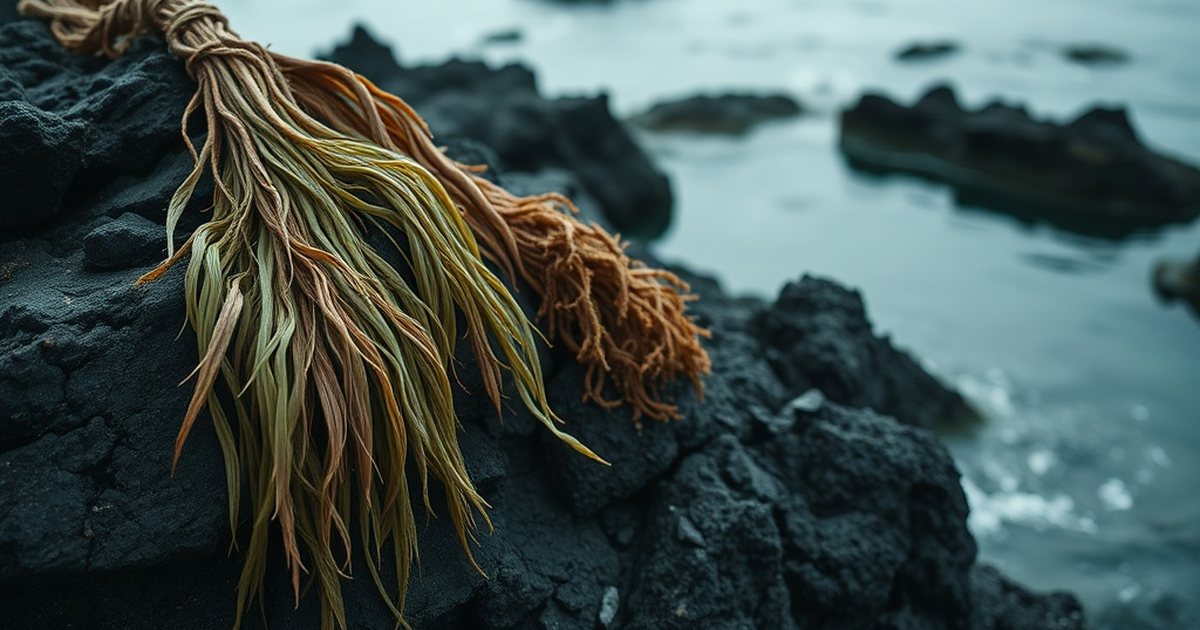
Polysaccharide Profile: Carrageenan, Fucoidan, and Structural Diversity
The primary bioactive polysaccharides in these seaweeds are kappa/iota-carrageenan in Chondrus crispus and fucoidan (a sulfated fucose-rich polymer) in Fucus vesiculosus. Both compound classes have demonstrated prebiotic, immunomodulatory, and antiviral activity in vitro and in animal models, though human clinical data remain limited to small pilot studies. The sulfate content, molecular weight, and branching pattern of these polymers—which determine their biological activity—are highly responsive to environmental stressors: light intensity, nutrient limitation, temperature shock, and grazing pressure.
Wildcrafted and ocean-farmed seaweeds experience natural stress gradients (desiccation at low tide, UV exposure, nutrient pulses) that upregulate sulfation enzymes and alter carrageenan/fucoidan fine structure. Pool-grown crops, optimized for rapid biomass accumulation under replete conditions, often produce polysaccharides with lower sulfate density and higher molecular weight uniformity. While this consistency aids industrial extraction, it may reduce the structural diversity that underpins the broad bioactivity observed in wild-harvested material. Conversely, controlled stress protocols in tank systems (e.g., nitrogen starvation for 48 hours pre-harvest) can be used to deliberately boost sulfation—a precision impossible in open water.
Ecological Footprint and Sustainability Trade-offs
Wildcrafting, when unregulated, risks local depletion of Chondrus beds, damage to the holdfast community (coralline algae, epiphytes, juvenile invertebrates), and bycatch of non-target species. In Maine and Atlantic Canada, rotational harvesting zones and minimum frond-length rules mitigate but do not eliminate these impacts. The carbon footprint of wildcrafting is low—primarily fuel for small vessels—but the ecosystem footprint per kilogram of dry product can be high if harvest exceeds regrowth rates.
Ocean farming generally scores well on life-cycle assessments: no feed inputs, no freshwater use, no arable land, and net carbon sequestration via photosynthesis. The gear (polypropylene lines, HDPE floats, steel anchors) introduces marine plastic debris risk if not managed, and dense monocultures can alter local hydrodynamics and sediment chemistry. Genetic concerns arise when non-local cultivars are deployed; fertile drift can hybridize with wild populations, potentially reducing local adaptation.
Pool-grown systems invert the footprint: near-zero direct marine impact, but high embodied energy in tank construction, water heating/cooling, artificial lighting, and synthetic salt production. A 2020 attributional LCA for tank-cultured Gracilaria (a red seaweed analog) showed greenhouse gas emissions 10–50 times higher per dry kilogram than open-water long-line farming, driven by electricity grid mix. Renewable-powered facilities with heat recovery can narrow this gap, but few commercial sea moss operations currently operate at that standard.
Post-Harvest Processing: The Hidden Variable in Final Chemistry
Cultivation method sets the potential, but processing realizes—or degrades—it. Sun-drying on rocks or racks (common for wildcrafted) exposes the biomass to UV degradation of vitamins (especially B12 analogues and vitamin C) and volatilization of iodine as molecular I2, while simultaneously risking dust, bird droppings, and insect contamination. Mechanical oven drying at 40–60°C preserves iodine better but can induce Maillard reactions that reduce protein digestibility and alter polysaccharide solubility.

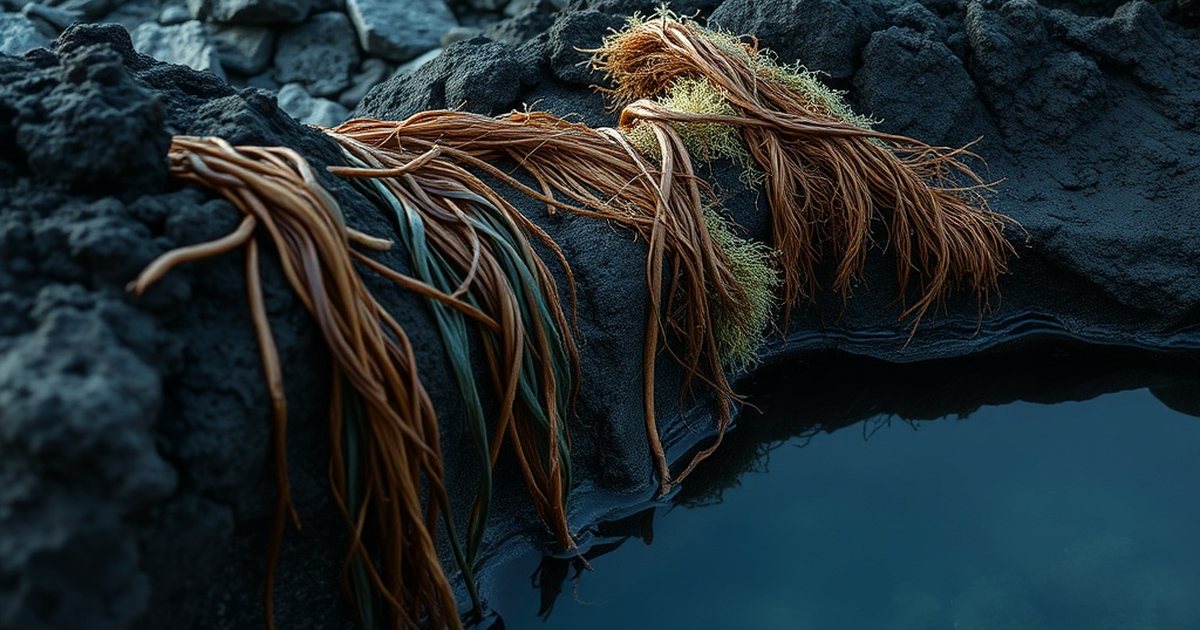
Freeze-drying (lyophilization) retains the highest nutrient and volatile profile but is energy-intensive and rare in bulk seaweed supply chains. A critical differentiator for pool-grown Chondrus is bleaching: many tank operators sun-bleach or chemically bleach (hydrogen peroxide, sodium hypochlorite) the harvested fronds to achieve the translucent “gold” or “purple” aesthetic demanded by the gel market. Bleaching strips surface pigments (phycoerythrin, carotenoids) and oxidizes sulfated polysaccharides, reducing both antioxidant capacity and prebiotic viscosity. Unbleached, minimally rinsed, low-temperature dried material—regardless of cultivation origin—represents the closest proxy to the traditional food matrix.
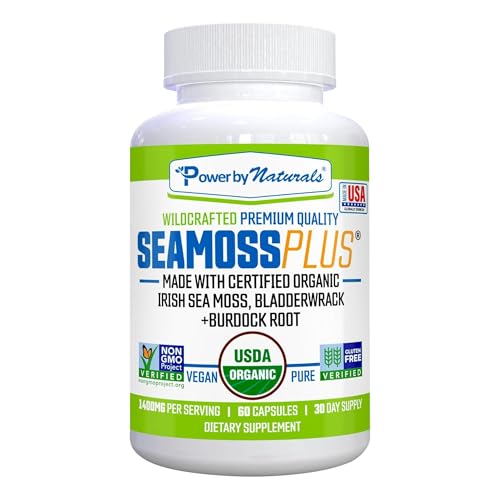
🛒 Where to Buy Sea Moss & Bladderwrack
- CleanseParasites Intra-Cellular Superfood Editor’s Pick
Contains sea moss and bladderwrack alongside black cumin seed and other superfood ingredients. - American Standard Supplements Organic Sea Moss, Bladderwrack & Burdock Root CapsulesLab-tested / studied
capsules, 1200mg sea moss / 1200mg bladderwrack / 225mg burdock root per serving, 120 capsules — High-dose transparent-label blend, vegan, non-GMO, made in USA; clearly stated per-ingredient milligrams rather than a proprietary blend - Secret Element Sea Moss Capsules with Burdock Root, Bladderwrack & Muira Puama
capsules, 120 capsules — Budget-friendly 4-ingredient blend, non-GMO, gluten-free, made in USA - Nutrivein Organic Sea Moss 1600mg with Bladderwrack & Burdock
capsules, 1600mg sea moss per serving plus bladderwrack and burdock — Widely available mid-tier brand, marketed for immune/digestive/thyroid/skin support claims
As an Amazon Associate we earn from qualifying purchases. Quality varies widely — always choose a product with a published third-party test (COA) before buying.

A Note on the Evidence
Iodine content in sea moss and bladderwrack supplements is highly variable and unregulated; excessive intake can trigger or worsen thyroid dysfunction, particularly in individuals with pre-existing conditions or during pregnancy. Heavy metal contamination remains a documented risk in wild-harvested products; always verify third-party testing and consult a healthcare provider before use.
Frequently Asked Questions
Is wildcrafted sea moss more nutritious than pool-grown?
Not necessarily. Wildcrafted biomass reflects the full mineral complexity of its native seawater, potentially offering broader trace element coverage, but this comes with uncontrolled heavy metal and iodine variability. Pool-grown products can match or exceed specific mineral targets if the medium is fortified, but they lack the incidental geochemical diversity of the open ocean unless deliberately formulated.
Does pool-grown sea moss contain less iodine?
Only if the operator chooses not to dose iodide in the culture medium. Pool-grown iodine content is entirely a function of the recipe; it can be near-zero, matched to wild levels, or elevated. Without a Certificate of Analysis, there is no way to know which strategy was used.
Can I identify the cultivation method by looking at the dried seaweed?
Partially. Bleached pool-grown Chondrus often appears translucent gold, white, or pale purple, while unbleached wildcrafted or ocean-farmed material retains a dark red-brown to purple-black hue. However, unbleached pool-grown and wildcrafted look similar, and color alone cannot confirm iodine content or heavy metal status.

Is bladderwrack riskier than sea moss for iodine exposure?
Yes. Fucus vesiculosus (bladderwrack) bioaccumulates iodine to concentrations typically 10–50 times higher than Chondrus crispus (sea moss). Blends that combine the two without disclosing ratios can deliver supratherapeutic iodine doses in a single serving, which is especially hazardous for individuals with thyroid autoimmunity or nodules.
Does organic certification guarantee a safe product?
Organic standards for seaweed (e.g., USDA-NOP, EU Organic) regulate water quality monitoring, prohibited substances, and harvesting practices, but they do not set maximum limits for iodine or heavy metals in the final dried biomass. An organic certificate confirms production process compliance, not analytical safety thresholds.
Who should avoid sea moss and bladderwrack supplements?
Individuals with diagnosed thyroid disorders (Hashimoto’s, Graves’, nodules), those taking thyroid hormone replacement or antithyroid drugs, pregnant or lactating persons, and anyone with known heavy metal sensitivity or impaired renal clearance should consult a clinician before use. The iodine load and contaminant risk are not theoretical—they are documented and variable.
References
- Nitschke U et al. Variability in iodine in temperate seaweeds and iodine accumulation kinetics of Fucus vesiculosus and Laminaria digitata (Phaeophyceae, Ochrophyta). Journal of Phycology (2018). PMID 29130494
- Teas J et al. Variability of iodine content in common commercially available edible seaweeds. Thyroid (2004). PMID 15588380
These statements have not been evaluated by the Food and Drug Administration. This information is not intended to diagnose, treat, cure, or prevent any disease. Content is for informational purposes only and is not medical advice; consult a qualified healthcare provider before starting any supplement. As an Amazon Associate we earn from qualifying purchases.
