Sea moss is the common name for Chondrus crispus, a red algae also known as Irish moss, that grows along the rocky Atlantic coastlines of Europe and North America. It has been used for centuries as a food thickener and folk remedy, and in the last several years it has become a popular wellness supplement sold as raw dried moss, gels, capsules, and powders.
Much of the current marketing around sea moss makes broad claims about immunity, thyroid health, skin, and gut function. Some of these claims trace back to real properties of seaweed, like its mineral content and polysaccharides, but the human clinical evidence specific to Chondrus crispus is thin. This article explains what sea moss actually is, what’s plausible about it, and what to watch out for before buying it.
Key Takeaways
- Sea moss is Chondrus crispus, a red seaweed traditionally used as a food thickener and folk remedy, not a scientifically standardized supplement.
- Its most credible property is iodine and mineral content, which is more thoroughly studied in bladderwrack than in sea moss itself.
- Gut-health claims lean on early fucoidan research from brown seaweeds, not confirmed Chondrus crispus-specific studies.
- Iodine content varies widely between products and can worsen thyroid problems, especially in bladderwrack blends or in people on thyroid medication.
- Wildcrafted sea moss carries a real risk of heavy metal contamination, so sourcing and third-party testing matter more than marketing claims.
What Sea Moss Actually Is
Chondrus crispus is a red seaweed (not a true moss) that grows attached to rocks in cold, shallow coastal water. It has been harvested for food use, particularly in Ireland and Atlantic Canada, since at least the 19th century, most notably as a source of carrageenan, a gel-forming polysaccharide extracted from the plant and widely used as a thickener in commercial dairy and food products.
‘Sea moss’ as sold today is usually the whole dried seaweed (gold or purple/Irish sea moss) or a gel made by soaking and blending it. It’s distinct from bladderwrack (Fucus vesiculosus), a brown seaweed sometimes blended into the same products, which has a much higher and more variable iodine content.
Nutrient Content: What's In It
Sea moss is naturally rich in a range of minerals, including iodine, potassium, calcium, magnesium, and trace amounts of others, along with soluble fiber in the form of carrageenan.[1] This is the basis for its ‘mineral-dense superfood’ reputation.

It’s worth being precise here: mineral content in seaweed is not standardized.[2] It varies significantly by species, harvest location, season, and processing method, so a specific sea moss product’s actual nutrient profile can differ substantially from generic nutrition charts circulating online.
Proposed Thyroid and Iodine Effects
The most substantiated mechanism behind seaweed’s health reputation is iodine, an essential mineral the thyroid needs to make hormones. This effect is best documented for bladderwrack, which tends to carry much higher iodine concentrations than Chondrus crispus.
This is a double-edged property. Adequate iodine supports normal thyroid function, but too much iodine, from an unstandardized product or from combining sea moss with a bladderwrack blend, can push thyroid function in either direction[3], particularly in people with existing thyroid conditions, pregnant people, or anyone on thyroid medication like levothyroxine.
Gut Health Claims: Fucoidan and Carrageenan
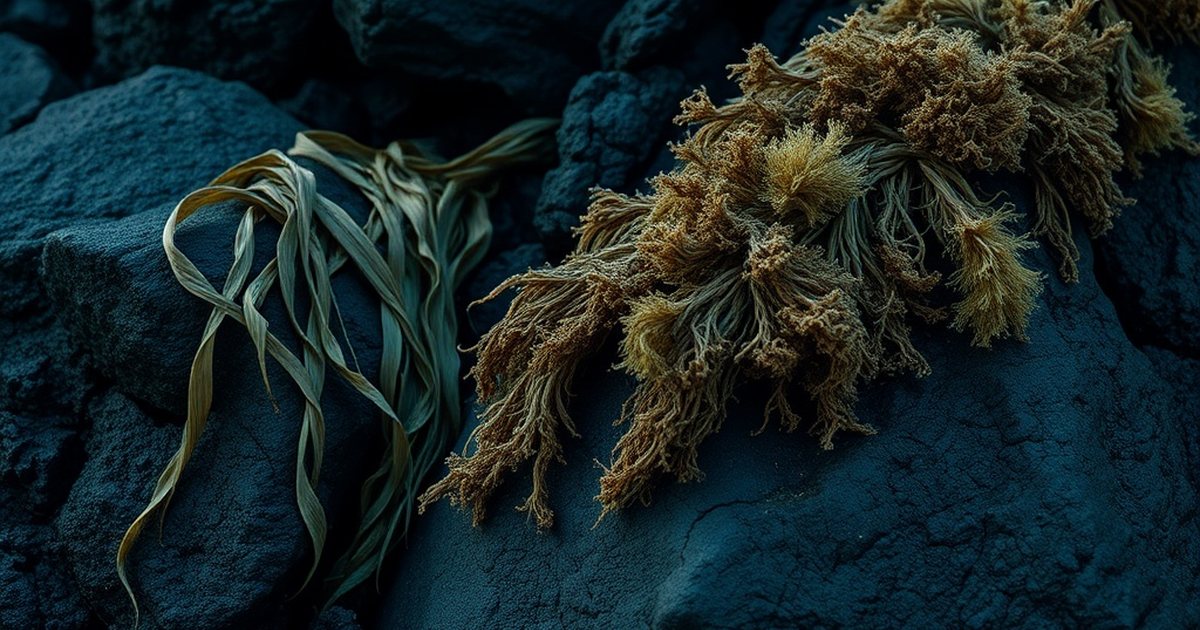
Fucoidan, a sulfated polysaccharide found in brown seaweeds, has been studied preliminarily for effects on gut and immune markers, and this research is often cited loosely to support sea moss’s gut-health reputation. However, fucoidan research is largely early-stage, and much of it concerns brown seaweed species rather than the red algae Chondrus crispus specifically.[4][5]
Carrageenan, the polysaccharide sea moss is best known for industrially, functions as a soluble fiber and gelling agent.[6] Its effects in the diet are debated, and it should not be conflated with the clinical fucoidan research being marketed alongside it.

Contamination and Sourcing Risk
Because sea moss is often wildcrafted rather than farmed under controlled conditions, its safety profile depends heavily on where and how it was harvested. Seaweed absorbs whatever is in the water around it, including heavy metals like arsenic, lead, and cadmium when grown in contaminated coastal waters.
Unlike pharmaceutical-grade supplements, most sea moss products on the market are not required to disclose third-party heavy metal or iodine testing. That makes sourcing transparency, not marketing claims, the more important factor when choosing a product.
What the Evidence Actually Supports Right Now
Taken together, the honest summary is: sea moss is a nutrient-dense food with a long culinary history, and it plausibly contributes iodine and minerals to the diet. The clinical evidence specific to broader wellness claims, immunity, skin, weight, energy, is largely absent or borrowed from adjacent seaweed research rather than Chondrus crispus itself.
This doesn’t mean sea moss is useless or unsafe when used thoughtfully. It means the marketing language around it (superfood, cure-all, detox) runs well ahead of what’s actually been studied.
🛒 Where to Buy Sea Moss & Bladderwrack
- CleanseParasites Intra-Cellular Superfood Editor’s Pick
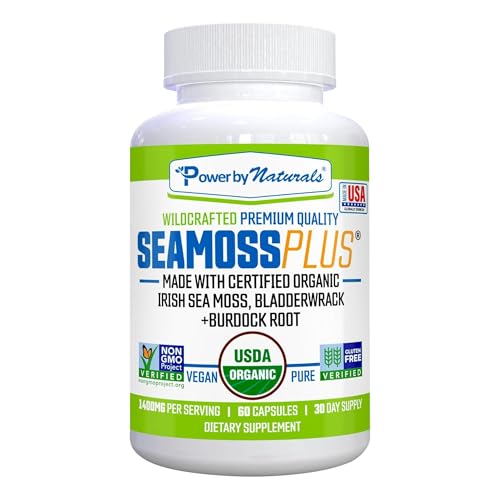
Contains sea moss and bladderwrack alongside black cumin seed and other superfood ingredients. - American Standard Supplements Organic Sea Moss, Bladderwrack & Burdock Root Capsules
capsules, 1200mg sea moss / 1200mg bladderwrack / 225mg burdock root per serving, 120 capsules — High-dose transparent-label blend, vegan, non-GMO, made in USA; clearly stated per-ingredient milligrams rather than a proprietary blend - Secret Element Sea Moss Capsules with Burdock Root, Bladderwrack & Muira Puama
capsules, 120 capsules — Budget-friendly 4-ingredient blend, gluten-free, made in USA - Nutrivein Organic Sea Moss 1600mg with Bladderwrack & Burdock
capsules, 1600mg sea moss per serving plus bladderwrack and burdock — Widely available mid-tier brand, marketed for immune/digestive/thyroid/skin support claims
As an Amazon Associate we earn from qualifying purchases. Quality varies widely — always choose a product with a published third-party test (COA) before buying.
A Note on the Evidence
This article is informational, not medical advice; sea moss and bladderwrack supplements are not standardized, and iodine content and heavy metal contamination vary by source, so anyone with thyroid disease, who is pregnant, or on thyroid medication should consult a doctor before use.
Frequently Asked Questions
Is sea moss the same as bladderwrack?
No. Sea moss (Chondrus crispus) is a red seaweed, while bladderwrack (Fucus vesiculosus) is a brown seaweed with a much higher and more variable iodine content. Many commercial products blend the two, which changes the iodine dose significantly.
Can sea moss help my thyroid?
Sea moss contains iodine, which the thyroid needs, but iodine’s effect on thyroid function can go either way depending on dose and individual thyroid status. Anyone with a thyroid condition or on thyroid medication should talk to a doctor before adding a concentrated iodine source like this.

Does sea moss actually help gut health?
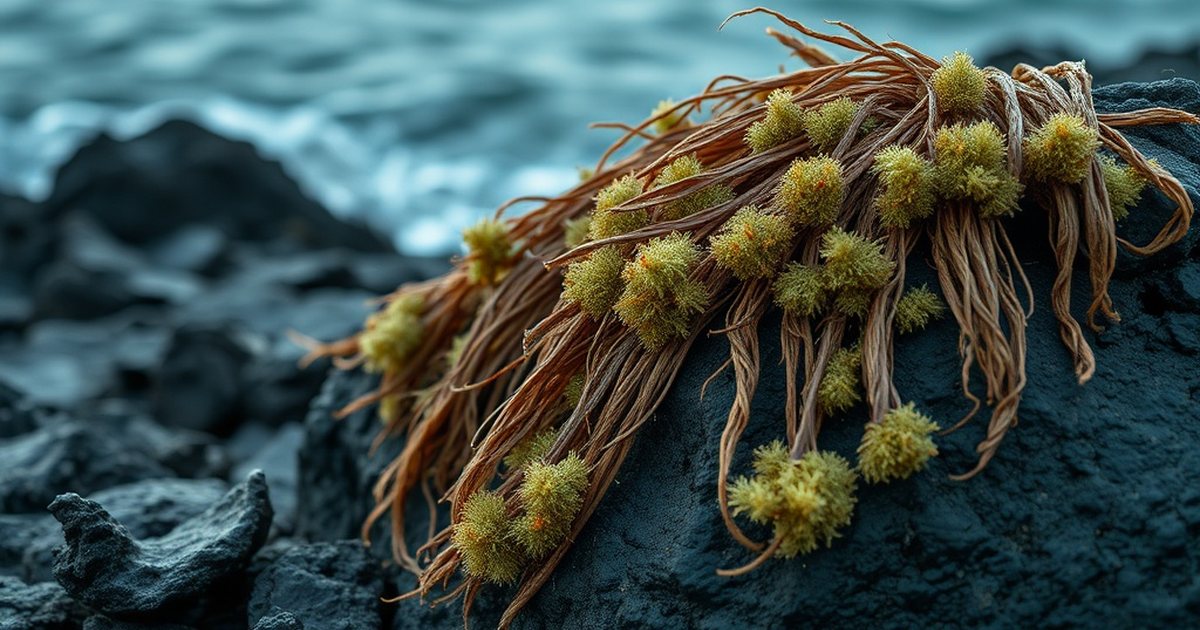
The gut-related claims mostly draw on preliminary fucoidan research in brown seaweeds, not confirmed studies on Chondrus crispus specifically. It does contain soluble fiber (carrageenan), which can have digestive effects, but the broader gut-health marketing outpaces the evidence.
Is sea moss safe to take every day?
Not necessarily. Because iodine content and heavy metal levels vary by product and harvest source, daily use of an untested product carries more risk than an occasional serving. Choosing a third-party tested product and moderating intake is more important than a scientific dosing standard, which doesn’t currently exist.
Who should avoid sea moss or be cautious with it?
People with thyroid conditions, those who are pregnant, and anyone taking levothyroxine or other thyroid medication should be cautious, since iodine intake can interfere with treatment. People should also avoid wildcrafted products with no contamination testing.
Is sea moss FDA-approved for any health condition?
No. The FDA has not evaluated sea moss products for the treatment, cure, or prevention of any disease. It is sold and regulated as a food/supplement, not a drug.
References
- Cmikova N et al. Seaweed Nutritional Value and Bioactive Properties: Insights from Ascophyllum nodosum, Palmaria palmata, and Chondrus crispus. Life (Basel) (2024). PMID 39598320
- Teas J et al. Variability of iodine content in common commercially available edible seaweeds. Thyroid (2004). PMID 15588380
- Leung AM et al. Consequences of excess iodine. Nature reviews. Endocrinology (2014). PMID 24342882
- Irhimeh MR et al. Pilot clinical study to evaluate the anticoagulant activity of fucoidan. Blood coagulation & fibrinolysis (2009). PMID 19696660
- Lopez-Santamarina A et al. Modulatory effects of red seaweeds (Palmaria palmata, Porphyra umbilicalis and Chondrus crispus) on the human gut microbiota via an in vitro model. Food chemistry (2025). PMID 39987804
- Younes M et al. Re-evaluation of carrageenan (E 407) and processed Eucheuma seaweed (E 407a) as food additives. EFSA Journal (2018). PMID 32625873
These statements have not been evaluated by the Food and Drug Administration. This information is not intended to diagnose, treat, cure, or prevent any disease. Content is for informational purposes only and is not medical advice; consult a qualified healthcare provider before starting any supplement. As an Amazon Associate we earn from qualifying purchases.
