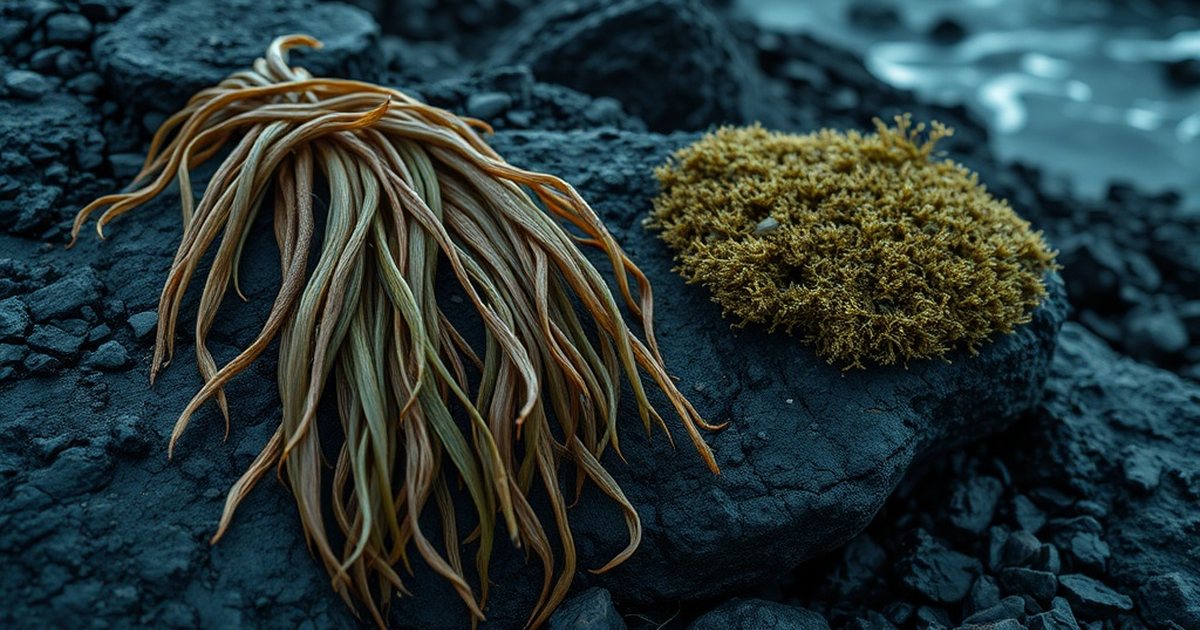
Bladderwrack (Fucus vesiculosus) is a brown seaweed that contains fucoidan, a sulfated polysaccharide studied for its effects on joint health. Research has focused primarily on osteoarthritis symptom management and the molecular pathways that drive joint inflammation.
This article reviews the available clinical and preclinical evidence on fucoidan from bladderwrack and related sources, highlighting what is known about its mechanisms and where the evidence remains limited.
Key Takeaways
- One randomized placebo-controlled trial found that a standardized fucoidan extract from Fucus vesiculosus did not reduce hip and knee osteoarthritis symptoms more than placebo over 12 weeks [1].
- Preclinical studies show fucoidan can inhibit key inflammatory pathways (NF-κB, MAPK, JAK-STAT) in macrophages and microglia, which are relevant to both osteoarthritis and rheumatoid arthritis [2][3].
- Most mechanistic data come from fucoidans extracted from other brown seaweeds (e.g., Saccharina japonica); structural differences mean effects may not directly translate to bladderwrack fucoidan [4].
- No clinical trials have evaluated bladderwrack fucoidan specifically for rheumatoid arthritis.
- Supplement quality varies: fucoidan content is rarely standardized, iodine levels can be high, and heavy metal contamination is a documented risk in unregulated seaweed products.
Human Clinical Evidence for Osteoarthritis
A randomized, placebo-controlled trial evaluated fucoidan extracted from Fucus vesiculosus in adults with symptomatic knee osteoarthritis. Over 12 weeks, symptom reduction in participants receiving fucoidan was not significantly different from the placebo response [1]. The study used a defined fucoidan preparation at a specific daily dose, which is notable because many seaweed supplements do not disclose fucoidan content or standardization.
An earlier combined phase I and II open-label study tested a seaweed extract nutrient complex containing fucoidan alongside other seaweed-derived compounds in people with osteoarthritis. Participants reported improvements in pain and function over 12 weeks, but the open-label design and multi-ingredient formulation make it difficult to attribute effects specifically to fucoidan [5]. No large, long-term, or replication trials have been published since.

Preclinical Mechanisms Relevant to Osteoarthritis and Rheumatoid Inflammation
A 2021 review summarized preclinical data on fucoidans from various brown seaweeds, noting consistent findings that fucoidan can inhibit cartilage degradation, reduce synovial inflammation, and modulate matrix metalloproteinases (MMPs) and inflammatory cytokines in cellular and animal models of osteoarthritis [4]. The review emphasizes that structural differences in fucoidan (sulfation pattern, molecular weight, monosaccharide composition) affect bioactivity, and that most data come from sources other than Fucus vesiculosus.
In microglial cells stimulated with lipopolysaccharide (LPS), fucoidan suppressed production of pro-inflammatory mediators by inhibiting activation of NF-κB, MAPK (p38, JNK, ERK), and Akt signaling pathways [2]. These same pathways are activated in synovial macrophages and fibroblasts in both osteoarthritis and rheumatoid arthritis, providing a plausible mechanistic link.
A fucose-rich fucoidan from Saccharina japonica demonstrated anti-inflammatory effects in LPS-stimulated macrophage cells and in zebrafish exposed to LPS, reducing cytokine production and down-regulating MAPK and NF-κB signaling [6]. Similarly, fucoidan from Saccharina japonica blocked LPS-induced inflammation in macrophages by inhibiting NF-κB, MAPK, and JAK-STAT pathways [3]. While these studies used fucoidan from a different brown seaweed genus, they illustrate the signaling nodes that bladderwrack fucoidan may also target.

Gut-Joint Axis and Systemic Inflammation
Emerging research explores whether fucoidan’s effects on gut microbiota and intestinal barrier function could indirectly modulate systemic inflammation relevant to joint diseases. In ulcerative colitis models, fucoidan and its oligosaccharides reduced colonic inflammation, restored microbial diversity, and suppressed TLR4/NF-κB signaling in the gut mucosa [7][8]. These gut-centric mechanisms are of theoretical interest for rheumatoid arthritis, where gut dysbiosis and increased intestinal permeability have been implicated, but direct evidence linking bladderwrack fucoidan, gut modulation, and joint outcomes is lacking.
Vascular and Endothelial Targets
A 2026 study engineered a shear-responsive nanosystem from fucoidan to target activated endothelial cells in atherosclerosis, demonstrating fucoidan’s affinity for inflammatory endothelium [9]. While this work is in a cardiovascular context, synovial angiogenesis and endothelial activation are features of rheumatoid arthritis synovium. Whether oral bladderwrack fucoidan reaches synovial vasculature in relevant concentrations remains unknown.
Practical Considerations: Source, Standardization, and Safety
The only published randomized trial used a specific fucoidan extract from Fucus vesiculosus with defined composition [1]. Commercial bladderwrack supplements vary widely in fucoidan content, sulfation degree, molecular weight, and co-occurring compounds (alginate, iodine, heavy metals). Without third-party certificates of analysis, consumers cannot know if a product matches the preparation studied.
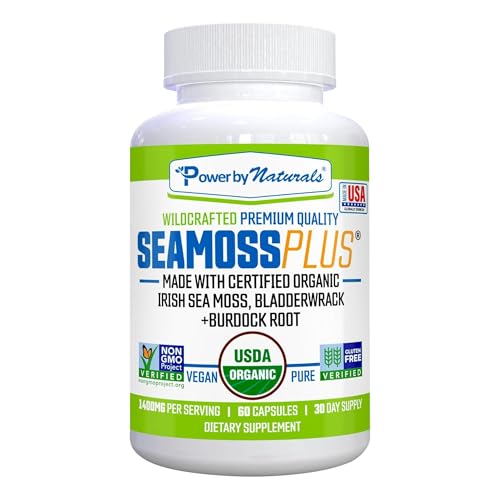
Bladderwrack is naturally high in iodine. Excessive iodine intake can trigger or worsen thyroid dysfunction, particularly in people with pre-existing thyroid disease, those taking thyroid medication (e.g., levothyroxine), or during pregnancy. Heavy metal contamination (arsenic, lead, cadmium) has been documented in wildcrafted seaweeds depending on harvest waters and processing. These risks are unrelated to fucoidan’s joint effects but are critical for safe use.
🛒 Where to Buy Sea Moss & Bladderwrack
- CleanseParasites Intra-Cellular Superfood Editor’s Pick
Contains sea moss and bladderwrack alongside black cumin seed and other superfood ingredients. - American Standard Supplements Organic Sea Moss, Bladderwrack & Burdock Root Capsules
capsules, 1200mg sea moss / 1200mg bladderwrack / 225mg burdock root per serving, 120 capsules — High-dose transparent-label blend, vegan, non-GMO, made in USA; clearly stated per-ingredient milligrams rather than a proprietary blend - Secret Element Sea Moss Capsules with Burdock Root, Bladderwrack & Muira Puama
capsules, 120 capsules — Budget-friendly 4-ingredient blend, gluten-free, made in USA - Nutrivein Organic Sea Moss 1600mg with Bladderwrack & Burdock
capsules, 1600mg sea moss per serving plus bladderwrack and burdock — Widely available mid-tier brand, marketed for immune/digestive/thyroid/skin support claims
As an Amazon Associate we earn from qualifying purchases. Quality varies widely — always choose a product with a published third-party test (COA) before buying.

A Note on the Evidence
Human evidence is limited to one small RCT and one open-label study for osteoarthritis; no trials exist for rheumatoid arthritis. Fucoidan content in supplements is unstandardized, iodine levels can be high, and heavy metal contamination is possible. Consult a healthcare professional before using bladderwrack products, especially if you have a thyroid condition, take thyroid medication, or are pregnant.
Frequently Asked Questions
Does bladderwrack fucoidan help with osteoarthritis pain?
A single randomized placebo-controlled trial using a standardized fucoidan extract from Fucus vesiculosus found no difference from placebo in osteoarthritis symptoms after 12 weeks [1]. An earlier open-label study of a multi-ingredient seaweed complex also reported improvements, but its design limits conclusions [5]. Larger, independent trials are needed.
Is there evidence for bladderwrack fucoidan in rheumatoid arthritis?
No clinical trials have tested bladderwrack fucoidan in rheumatoid arthritis. Preclinical studies show fucoidan from various brown seaweeds can inhibit NF-κB, MAPK, and JAK-STAT pathways in inflammatory cells [2][3], which are relevant to RA pathophysiology, but human data are absent.
How does fucoidan reduce joint inflammation?
In cell studies, fucoidan suppresses pro-inflammatory cytokine production and enzyme expression by blocking activation of NF-κB, MAPK (p38, JNK, ERK), Akt, and JAK-STAT signaling pathways [2][3]. It may also inhibit matrix metalloproteinases that degrade cartilage [4].
Are all bladderwrack supplements the same in fucoidan content?
No. Fucoidan content, sulfation pattern, molecular weight, and purity vary by harvest location, season, extraction method, and processing. The clinical trial used a defined extract [1]; most retail products do not disclose these parameters.


What are the safety concerns with bladderwrack supplements?
Bladderwrack is naturally high in iodine, which can exacerbate thyroid disorders or interfere with thyroid medication. Wildcrafted seaweeds may contain arsenic, lead, or cadmium depending on water quality. People with thyroid conditions, on levothyroxine, or who are pregnant should consult a clinician before use.
Can fucoidan's gut effects help joint pain?
Fucoidan and its oligosaccharides have been shown to reduce gut inflammation, modulate microbiota, and inhibit TLR4/NF-κB signaling in colitis models [7][8]. The gut-joint axis is an active research area in rheumatoid arthritis, but no studies have linked bladderwrack fucoidan’s gut effects to clinical joint outcomes.
References
- Myers SP et al. Effects of fucoidan from Fucus vesiculosus in reducing symptoms of osteoarthritis: a randomized placebo-controlled trial. Biologics : targets & therapy (2016). PMID 27307702
- Park HY et al. Anti-inflammatory effects of fucoidan through inhibition of NF-κB, MAPK and Akt activation in lipopolysaccharide-induced BV2 microglia cells. Food and chemical toxicology : an international journal published for the British Industrial Biological Research Association (2011). PMID 21570441
- Ye J et al. Fucoidan Isolated from Saccharina japonica Inhibits LPS-Induced Inflammation in Macrophages via Blocking NF-κB, MAPK and JAK-STAT Pathways. Marine drugs (2020). PMID 32599714
- Vaamonde-García C et al. Study of fucoidans as natural biomolecules for therapeutical applications in osteoarthritis. Carbohydrate polymers (2021). PMID 33593565
- Myers SP et al. A combined phase I and II open label study on the effects of a seaweed extract nutrient complex on osteoarthritis. Biologics : targets & therapy (2010). PMID 20376172
- Ni L et al. In vitro and in vivo anti-inflammatory activities of a fucose-rich fucoidan isolated from Saccharina japonica. International journal of biological macromolecules (2020). PMID 32289424
- Zhang Y et al. Fucoidan as a therapeutic agent for ulcerative colitis: mechanisms of action and modulation of the gut microbiota. Frontiers in cellular and infection microbiology (2025). PMID 40708752
- Xu Z et al. Fucoidan Oligosaccharides from Kjellmaniella crassifolia Ameliorate Ulcerative Colitis by Regulating the TLR4 and NF-κB Signaling Pathway and Modulating Gut Microbiota. Marine drugs (2026). PMID 42188321
- Liu R et al. A shear-responsive nanosystem engineered from fucoidan targets endothelial for atherosclerosis therapy. Biomaterials (2026). PMID 41443040
These statements have not been evaluated by the Food and Drug Administration. This information is not intended to diagnose, treat, cure, or prevent any disease. Content is for informational purposes only and is not medical advice; consult a qualified healthcare provider before starting any supplement. As an Amazon Associate we earn from qualifying purchases.
