Fucoxanthin is a marine carotenoid found in brown seaweeds such as bladderwrack (Fucus vesiculosus). It has drawn research interest for its potential effects on energy expenditure, lipid metabolism, and adipose tissue biology, particularly in the context of metabolic health and visceral fat accumulation.
While preclinical studies suggest several plausible mechanisms — including upregulation of uncoupling protein 1 (UCP1) in white adipose tissue and modulation of lipid-regulating enzymes — robust human clinical trials specifically testing bladderwrack-derived fucoxanthin for weight loss or visceral fat reduction are lacking. This article summarizes the mechanistic evidence, highlights the current gaps, and outlines practical cautions for consumers.
Key Takeaways
- Fucoxanthin from bladderwrack shows mechanistically plausible effects on adipose browning (UCP1), lipid oxidation, and glucose regulation in preclinical models, but human clinical evidence for visceral fat loss is absent.
- Bioavailability is low; the active metabolites (fucoxanthinol, amarouciaxanthin A) reach only nanomolar plasma concentrations in humans after oral dosing.
- Bladderwrack supplements deliver highly variable and often excessive iodine, posing thyroid risks — especially for those with thyroid conditions, on thyroid medication, or pregnant.
- Heavy metal contamination is a documented concern in wildcrafted seaweeds; third-party batch testing (CoAs) for fucoxanthin, iodine, and metals is essential.
- No regulatory body has approved fucoxanthin or bladderwrack for weight loss or metabolic disease treatment; claims should be viewed as hypothesis-generating, not evidence-based.
What Is Fucoxanthin and How Much Is in Bladderwrack?
Fucoxanthin belongs to the xanthophyll class of carotenoids and contributes to the brown color of Phaeophyceae (brown algae). Bladderwrack is a recognized dietary source, though fucoxanthin content varies significantly based on species, harvest season, geographic origin, and processing method [1]. Unlike iodine — which concentrates in bladderwrack and poses thyroid risks at high intakes — fucoxanthin is not an essential nutrient, and no dietary reference intake exists.
Commercial supplements often standardize for fucoxanthin percentage, but third-party verification is uncommon. The bioavailability of fucoxanthin from whole seaweed or extracts is limited by its low solubility and extensive metabolism to fucoxanthinol and amarouciaxanthin A in the gastrointestinal tract [2]. This metabolic conversion begins in the gut and continues in the liver, meaning the active forms reaching tissues differ from the parent compound.

Proposed Mechanisms: Adipose Thermogenesis and Lipid Metabolism
The most cited mechanism for fucoxanthin’s anti-obesity potential is the induction of uncoupling protein 1 (UCP1) in white adipose tissue (WAT), a process known as “browning.” UCP1 dissipates the mitochondrial proton gradient as heat, increasing non-shivering thermogenesis and energy expenditure [3]. This effect has been demonstrated primarily in rodent models of diet-induced obesity and genetic obesity (e.g., KK-Ay mice), where dietary fucoxanthin upregulated UCP1 mRNA and protein in WAT depots, including visceral fat [4].
Beyond thermogenesis, fucoxanthin and its metabolites modulate key regulators of lipid metabolism. Studies report downregulation of lipogenic enzymes (e.g., fatty acid synthase, acetyl-CoA carboxylase) and upregulation of fatty acid oxidation genes (e.g., CPT1, ACOX1) in liver and adipose tissue [5]. In diabetic/obese KK-Ay mice, dietary fucoxanthin reduced hepatic cholesterol content but increased serum HDL and non-HDL cholesterol [4]. These changes are partly mediated through AMPK activation and PPARγ modulation, pathways that coordinate cellular energy sensing and adipocyte differentiation [2].
Animal and Cellular Evidence on Visceral Fat Reduction
Multiple rodent studies show that dietary fucoxanthin (typically 0.1–0.2% of diet) reduces visceral fat pad weight and adipocyte size in obesity models [2][4]. In KK-Ay mice, fucoxanthin significantly decreased mesenteric and epididymal fat mass alongside improvements in hyperglycemia and hyperinsulinemia [4]. The reduction in visceral adiposity correlated with increased UCP1 expression in WAT and altered adipokine secretion, including decreased leptin and increased adiponectin [5].

In vitro, fucoxanthinol and amarouciaxanthin A inhibit lipid accumulation during adipocyte differentiation (adipogenesis) in 3T3-L1 cells and promote lipolysis in mature adipocytes [2]. However, the concentrations used in cell culture often exceed physiologically achievable plasma levels in humans after oral ingestion. No published studies have directly compared bladderwrack-derived fucoxanthin to purified fucoxanthin or other algal sources in controlled animal models.

Effects on Glucose Homeostasis and Insulin Sensitivity
Fucoxanthin’s metabolic benefits extend to glucose regulation. In obese and diabetic rodent models, supplementation improved insulin sensitivity, reduced fasting blood glucose, and enhanced glucose tolerance [2][4]. Proposed mechanisms include increased GLUT4 translocation in skeletal muscle and adipose tissue, reduced hepatic gluconeogenesis, and anti-inflammatory effects in adipose tissue macrophages [1].
A 2021 review noted that fucoxanthin may inhibit dipeptidyl peptidase-4 (DPP-4), thereby increasing active incretin levels (GLP-1, GIP) and supporting insulin secretion [1]. While these findings are mechanistically coherent, they remain predominantly preclinical. Human data are limited to a few small, short-term trials often using multi-ingredient formulations (e.g., fucoxanthin combined with pomegranate seed oil), making it impossible to isolate fucoxanthin’s specific contribution [6].
Human Evidence Gaps and Bioavailability Realities
Despite promising animal data, there are no large, randomized, placebo-controlled trials testing bladderwrack-derived fucoxanthin monotherapy for visceral fat reduction or weight loss in humans. The few human studies cited in reviews typically involve combination products, small sample sizes (n < 50), durations of 8–16 weeks, and surrogate endpoints like waist circumference rather than imaging-quantified visceral adipose tissue [6]. The same evidentiary gap applies to sea moss, whose own weight-loss claims are assessed in our look at what the research does and does not show.
Bioavailability remains a critical uncertainty. Oral fucoxanthin is poorly absorbed (< 1% in some estimates), extensively metabolized, and rapidly excreted [2]. Plasma concentrations of fucoxanthinol (the primary circulating metabolite) in humans after single doses of 1–30 mg fucoxanthin are in the low nanomolar range — orders of magnitude below concentrations used in many in vitro studies. Whether chronic intake achieves tissue levels sufficient for UCP1 induction in human WAT is unknown.
Practical Considerations: Iodine, Heavy Metals, and Supplement Quality
Bladderwrack is a meaningful source of iodine, though lower than the figures usually quoted for it. A seasonal survey of eleven temperate macroalgae placed the Fucales, the order bladderwrack belongs to, at roughly 1 to 10 micromoles per gram dry weight, which works out to about 130 to 1,300 µg/g[7]. The multi-thousand µg/g values that circulate alongside bladderwrack come from kelps: the highest figure in a 12-species commercial survey was 8,165 µg/g in processed Laminaria digitata granules sold as a salt substitute, while nori at the other end measured 16 µg/g[8]. A typical fucoxanthin supplement dose (e.g., 5–10 mg fucoxanthin from bladderwrack extract) may deliver iodine above the tolerable upper intake level (1,100 µg/day for adults) if not carefully standardized and tested. Excess iodine can trigger or worsen thyroid dysfunction, particularly in individuals with preexisting thyroid disease, iodine sensitivity, or during pregnancy [1].
Wildcrafted seaweeds also carry a risk of heavy metal contamination (arsenic, cadmium, lead, mercury) depending on harvest waters. Reputable manufacturers should provide certificates of analysis (CoAs) for each batch verifying fucoxanthin content, iodine levels, and heavy metal limits. Consumers should prioritize products with third-party testing over marketing claims about “wild-harvested” or “organic” status, as these terms do not guarantee purity or consistent fucoxanthin content.

🛒 Where to Buy Sea Moss & Bladderwrack
- CleanseParasites Intra-Cellular Superfood Editor’s Pick
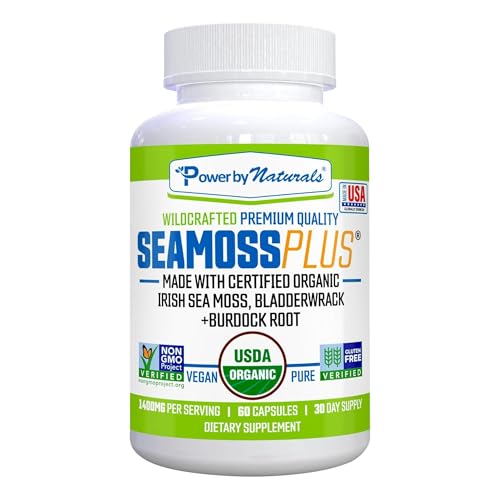
Contains sea moss and bladderwrack alongside black cumin seed and other superfood ingredients. - American Standard Supplements Organic Sea Moss, Bladderwrack & Burdock Root Capsules
capsules, 1200mg sea moss / 1200mg bladderwrack / 225mg burdock root per serving, 120 capsules — High-dose transparent-label blend, vegan, non-GMO, made in USA; clearly stated per-ingredient milligrams rather than a proprietary blend - Secret Element Sea Moss Capsules with Burdock Root, Bladderwrack & Muira Puama
capsules, 120 capsules — Budget-friendly 4-ingredient blend, gluten-free, made in USA - Nutrivein Organic Sea Moss 1600mg with Bladderwrack & Burdock
capsules, 1600mg sea moss per serving plus bladderwrack and burdock — Widely available mid-tier brand, marketed for immune/digestive/thyroid/skin support claims
As an Amazon Associate we earn from qualifying purchases. Quality varies widely — always choose a product with a published third-party test (COA) before buying.

A Note on the Evidence
Current evidence for fucoxanthin’s metabolic benefits is predominantly preclinical (animal/cell studies); human trials are small, short, and often use multi-ingredient blends. Bladderwrack products deliver unpredictable iodine doses that can harm thyroid function, especially in those with thyroid disease, on thyroid medication, or pregnant. Heavy metal contamination is a documented risk in untested seaweed supplements. This information is educational, not medical advice; consult a qualified healthcare provider before use.
Frequently Asked Questions
Does fucoxanthin from bladderwrack burn belly fat in humans?
No controlled human trials have demonstrated that bladderwrack-derived fucoxanthin reduces visceral (belly) fat. Visceral fat reduction has been observed in obese rodent models [4], but human data are limited to small studies of combination products with inconclusive results [6].
How does fucoxanthin work at the cellular level?
Fucoxanthin and its metabolites promote “browning” of white fat by upregulating UCP1, increasing non-shivering thermogenesis [3]. They also activate AMPK and modulate PPARγ, shifting metabolism toward fatty acid oxidation and away from lipogenesis [5][2].
Is fucoxanthin safe to take daily?
Safety of isolated fucoxanthin at supplement doses has not been established in long-term human studies. The greater immediate risk comes from bladderwrack’s iodine content, which can exceed safe limits and disrupt thyroid function, especially in susceptible individuals [1].

Can I get enough fucoxanthin from eating seaweed?
Dietary intake of fucoxanthin from culinary seaweed (e.g., wakame, kombu) is typically low (micrograms per serving). Supplements provide concentrated doses (milligrams), but bioavailability remains poor regardless of source [2].
What should I look for on a bladderwrack fucoxanthin supplement label?
Look for a certificate of analysis (CoA) showing: standardized fucoxanthin content (mg per serving), iodine content (µg per serving), and heavy metal testing (arsenic, cadmium, lead, mercury) meeting USP or EU limits. Avoid products listing only “bladderwrack extract” without standardization or third-party verification.
Does fucoxanthin interact with medications?
Potential interactions are poorly studied. Theoretically, fucoxanthin’s effects on glucose and lipid metabolism could amplify the effects of diabetes or lipid-lowering drugs. The high iodine in bladderwrack products is a known concern for patients on levothyroxine or antithyroid medications. Always consult a clinician before combining.
References
- Hosokawa M et al. Health-Promoting Functions of the Marine Carotenoid Fucoxanthin. Advances in experimental medicine and biology (2021). PMID 33783750
- Maeda H et al. Nutraceutical effects of fucoxanthin for obesity and diabetes therapy: a review. Journal of oleo science (2015). PMID 25748372
- Li H et al. Phytochemicals as potential candidates to combat obesity via adipose non-shivering thermogenesis. Pharmacological research (2019). PMID 31401211
- Beppu F et al. Effects of dietary fucoxanthin on cholesterol metabolism in diabetic/obese KK-A(y) mice. Lipids in health and disease (2012). PMID 22962999
- Muradian Kh et al. Fucoxanthin and lipid metabolism: A minireview. Nutrition, metabolism, and cardiovascular diseases : NMCD (2015). PMID 26141943
- Thapa G et al. Bioactive Phytoconstituents Targeting Energy Expenditure and Appetite to Combat Obesity: A Comprehensive Review. Current nutrition reports (2026). PMID 41484835
- Nitschke U et al. Variability in iodine in temperate seaweeds and iodine accumulation kinetics of Fucus vesiculosus and Laminaria digitata (Phaeophyceae, Ochrophyta). Journal of Phycology (2018). PMID 29130494
- Teas J et al. Variability of iodine content in common commercially available edible seaweeds. Thyroid (2004). PMID 15588380
These statements have not been evaluated by the Food and Drug Administration. This information is not intended to diagnose, treat, cure, or prevent any disease. Content is for informational purposes only and is not medical advice; consult a qualified healthcare provider before starting any supplement. As an Amazon Associate we earn from qualifying purchases.
