Bladderwrack (Fucus vesiculosus) is a brown seaweed that grows along the coasts of the North Sea, western Baltic Sea, and the Atlantic and Pacific Oceans. It has a long history of use in coastal communities as a mineral-dense food and in folk medicine for thyroid support, joint comfort, and digestive health. Its distinctive air-filled bladders (pneumatocysts) help the fronds float toward sunlight, and these same structures give the plant its common name.
In modern supplement markets, bladderwrack is almost always paired with sea moss (Chondrus crispus, a red seaweed also called Irish moss). The combination is marketed as a comprehensive mineral complex, but the rationale is largely traditional rather than clinical. Both seaweeds contain variable amounts of iodine, sulfated polysaccharides (fucoidan in bladderwrack, carrageenan-family compounds in sea moss), and trace minerals. However, neither is standardized, and iodine content can differ by orders of magnitude depending on harvest location, season, and processing. This article reviews what is known, what is assumed, and what anyone considering these supplements should understand before purchasing.
Key Takeaways
- Bladderwrack (Fucus vesiculosus) is a brown seaweed valued for fucoidan and highly variable iodine; sea moss (Chondrus crispus) is a red seaweed providing carrageenan-family polysaccharides and a different mineral profile.
- The combination is traditional and commercially logical but not clinically validated; no human trials evaluate the blend for thyroid, gut, or general wellness outcomes.
- Iodine content in bladderwrack can exceed safe upper limits in a single gram; excess iodine can trigger or worsen thyroid dysfunction, especially in those with existing thyroid conditions, on levothyroxine, or pregnant [1].
- Heavy metal contamination (arsenic, lead, cadmium) is a documented risk in wildcrafted seaweeds; third-party, lot-specific certificates of analysis are essential for safety verification [2].
- These products are unstandardized dietary ingredients, not FDA-evaluated treatments; consult a clinician before use if you have thyroid disease, take thyroid medication, are pregnant, or have kidney impairment.
Botanical Profile and Key Constituents
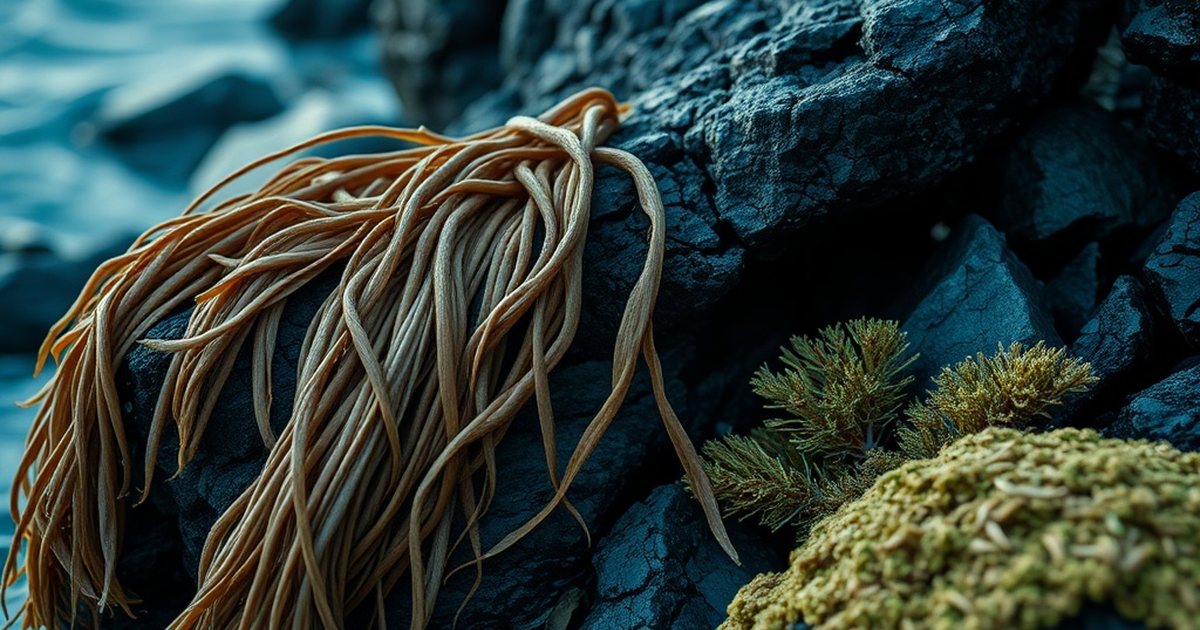
Fucus vesiculosus belongs to the class Phaeophyceae (brown algae). Its primary bioactive constituents include fucoidan, a sulfated fucose-rich polysaccharide; alginates; laminarin; polyphenols such as phlorotannins; and notably high but highly variable iodine concentrations. Iodine in bladderwrack exists in both inorganic (iodide, iodate) and organic (iodinated proteins, lipids) forms. The seaweed also accumulates minerals from seawater, including potassium, magnesium, calcium, and trace elements.
Sea moss (Chondrus crispus) is a red alga (Rhodophyta) rich in carrageenan-family galactans, which differ structurally from fucoidan but share sulfated polysaccharide characteristics. It also contains iodine, though typically at lower and less variable concentrations than bladderwrack. The pairing in supplements is intended to provide a broader spectrum of seaweed-derived polysaccharides and minerals, but no clinical trials have evaluated the combination versus either seaweed alone.

Iodine Content and Thyroid Function: The Central Mechanism
The most well-documented physiological effect of bladderwrack is its iodine delivery. Iodine is an essential substrate for thyroid hormone synthesis (thyroxine/T4 and triiodothyronine/T3). In populations with low dietary iodine, seaweed consumption can prevent or resolve iodine-deficiency goiter. However, bladderwrack’s iodine content is inconsistent, and the numbers attached to it are frequently borrowed from a different group of seaweeds. A seasonal survey of eleven temperate macroalgae, which measured Fucus vesiculosus directly, put the Fucales at roughly 1 to 10 micromoles per gram dry weight, about 130 to 1,300 mcg per gram, with the kelps an order of magnitude higher again[3]. The figures above 6,000 mcg per gram belong to those kelps: the single highest value in a 12-species commercial survey was 8,165 mcg per gram in processed Laminaria digitata granules sold as a salt substitute, and nori at the other end measured 16[4]. Even at the fucoid range, a single gram of dried bladderwrack can reach or exceed the adult tolerable upper intake level (UL) of 1,100 mcg set by the Institute of Medicine.
Excess iodine intake can trigger or worsen thyroid dysfunction in susceptible individuals. This includes inducing hypothyroidism (Wolff-Chaikoff effect), precipitating hyperthyroidism in those with autonomous thyroid nodules (Jod-Basedow phenomenon), and causing thyroiditis. People with pre-existing thyroid disease (Hashimoto’s, Graves’, nodular goiter), those taking thyroid hormone replacement (levothyroxine), and pregnant or lactating individuals are at heightened risk. The combination with sea moss adds further iodine, compounding the unpredictability of total daily exposure from these supplements.
Fucoidan and Polysaccharide Research: Gut, Immune, and Metabolic Effects
Fucoidan, the signature sulfated polysaccharide of brown seaweeds including bladderwrack, has been studied in vitro and in animal models for anticoagulant, antiviral, anti-inflammatory, immunomodulatory, and gut-barrier-supportive properties. Mechanisms proposed include modulation of selectin-mediated leukocyte rolling, inhibition of viral entry, stimulation of beneficial gut microbiota, and enhancement of tight-junction protein expression. However, human clinical data are limited to small pilot studies, often using purified fucoidan fractions rather than whole bladderwrack powder.
Sea moss contributes carrageenan-family polysaccharides (primarily kappa- and lambda-carrageenan). While degraded carrageenan (poligeenan) has shown pro-inflammatory effects in animal models, food-grade undegraded carrageenan is generally recognized as safe (GRAS) as a thickener. The physiological effects of whole sea moss polysaccharides in humans remain poorly characterized. Claims that the bladderwrack/sea moss combination provides synergistic gut-health benefits are extrapolated from polysaccharide chemistry, not demonstrated in controlled human trials.

Heavy Metal and Contaminant Risks in Wildcrafted Seaweeds
Seaweeds are efficient bioaccumulators of elements from their marine environment. Arsenic (particularly inorganic arsenic), lead, cadmium, and mercury have been detected in commercial seaweed products, including bladderwrack and sea moss. Concentrations depend heavily on harvest waters: seaweeds grown near industrial discharge, heavy maritime traffic, or regions with naturally high geologic arsenic (e.g., some fjords) carry greater risk. Processing methods (rinsing, drying, heat treatment) can reduce but not eliminate certain contaminants.
Because these supplements are sold as dietary ingredients rather than drugs, there is no mandatory pre-market testing for heavy metals in the United States. Third-party certificates of analysis (CoAs) for arsenic (speciated, ideally), lead, cadmium, and mercury are the only reliable way for consumers to assess product safety. Marketing terms like “wildcrafted,” “organic,” or “premium” do not guarantee low contaminant levels. Reputable brands publish lot-specific CoAs; absence of such documentation should be considered a red flag.
Why They Are Paired: Tradition, Marketing, and Formulation Logic
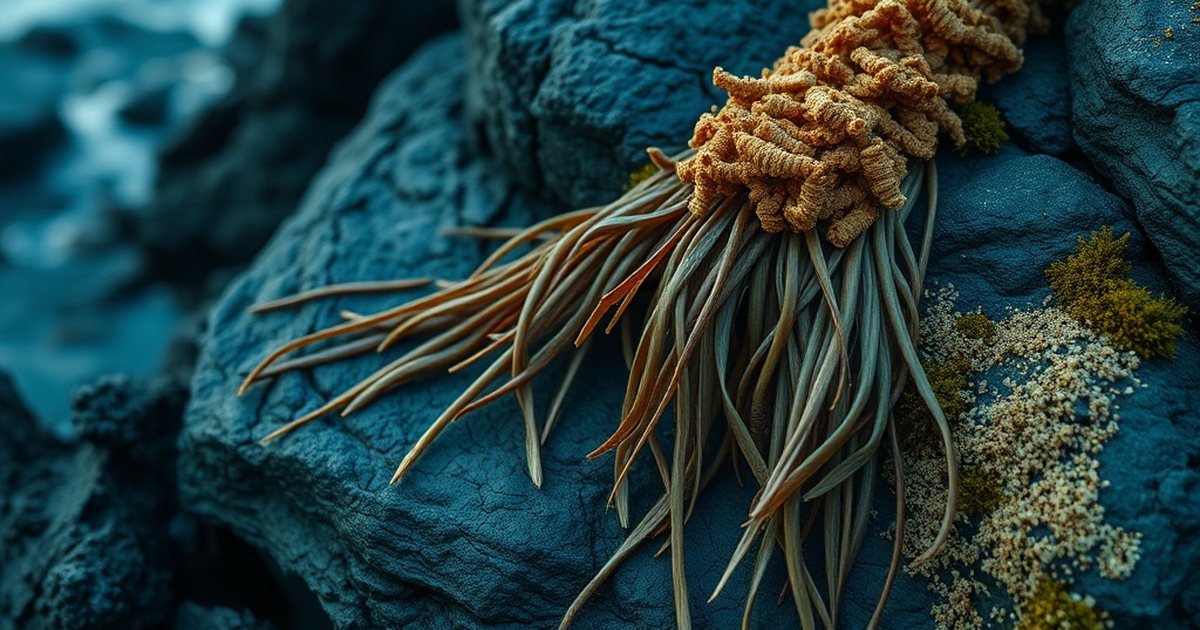
The bladderwrack/sea moss pairing originates in Caribbean and Irish coastal traditions where both seaweeds were available and used in tonics, gels, and broths. In contemporary supplement formulation, the logic is complementary: bladderwrack contributes high fucoidan and typically higher iodine; sea moss contributes carrageenan-family polysaccharides, a different mineral profile, and a mucilaginous texture useful for gel production. Together they create a “full-spectrum seaweed complex” narrative that appeals to consumers seeking broad mineral coverage.
From a manufacturing standpoint, blending also dilutes the extreme iodine variability of bladderwrack with the generally lower-iodine sea moss, potentially yielding a more consistent (though still unstandardized) iodine dose per serving. However, without batch-specific iodine assays, the actual iodine content of any combined product remains unknown to the end user. The pairing is best understood as a commercial and cultural convention, not an evidence-based therapeutic strategy.
Practical Guidance for Consumers
If you choose to use a bladderwrack/sea moss product, prioritize brands that provide third-party testing for iodine content (per serving), heavy metals (arsenic, lead, cadmium, mercury), and microbial limits. Look for lot-specific CoAs on the company website or available on request. Start with the lowest suggested serving size and monitor for symptoms of excess iodine (palpitations, anxiety, heat intolerance, new neck swelling) or digestive upset [5].
Individuals with thyroid disease, those on thyroid medication, pregnant or breastfeeding women, and people with kidney disease (due to potassium load) should consult a healthcare professional before use. These supplements are not a substitute for prescribed thyroid hormone replacement. The FDA has not evaluated bladderwrack or sea moss for the treatment, cure, or prevention of any disease. Claims of “92 minerals,” “thyroid healing,” or “detox” are marketing language, not clinically substantiated outcomes.
🛒 Where to Buy Sea Moss & Bladderwrack
- CleanseParasites Intra-Cellular Superfood Editor’s Pick
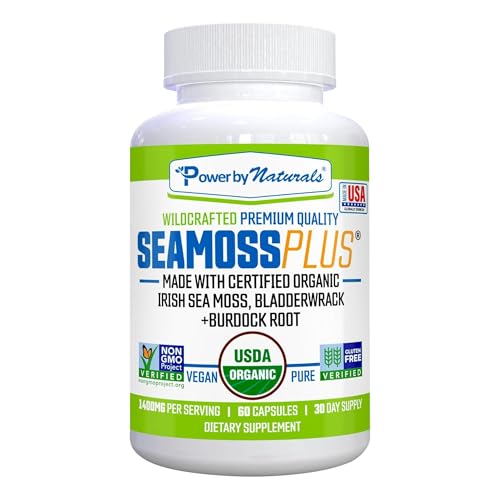
Contains sea moss and bladderwrack alongside black cumin seed and other superfood ingredients. - American Standard Supplements Organic Sea Moss, Bladderwrack & Burdock Root Capsules
capsules, 1200mg sea moss / 1200mg bladderwrack / 225mg burdock root per serving, 120 capsules — High-dose transparent-label blend, vegan, non-GMO, made in USA; clearly stated per-ingredient milligrams rather than a proprietary blend - Secret Element Sea Moss Capsules with Burdock Root, Bladderwrack & Muira Puama
capsules, 120 capsules — Budget-friendly 4-ingredient blend, gluten-free, made in USA - Nutrivein Organic Sea Moss 1600mg with Bladderwrack & Burdock
capsules, 1600mg sea moss per serving plus bladderwrack and burdock — Widely available mid-tier brand, marketed for immune/digestive/thyroid/skin support claims
As an Amazon Associate we earn from qualifying purchases. Quality varies widely — always choose a product with a published third-party test (COA) before buying.

A Note on the Evidence
Bladderwrack and sea moss supplements are unstandardized; iodine content varies widely and can exceed safe limits, posing risks for thyroid dysfunction, especially with existing thyroid conditions, pregnancy, or thyroid medication use. Heavy metal contamination is documented. Third-party testing and clinical consultation are essential. This information is educational, not medical advice.
Frequently Asked Questions
Does bladderwrack really contain 92 minerals?
This claim appears in marketing but lacks analytical support. Seaweeds absorb many elements from seawater, but the number and amounts vary by harvest location, season, and species. No published assay confirms 92 minerals in biologically relevant quantities in bladderwrack or sea moss.
Can bladderwrack/sea moss replace my thyroid medication?
No. These supplements provide unpredictable iodine doses and cannot substitute for standardized levothyroxine or other prescribed thyroid hormone replacement. Unmonitored use can destabilize thyroid control.
Is fucoidan from bladderwrack proven to help gut health in humans?
Fucoidan shows promising gut-barrier and microbiota effects in cell and animal studies, but human clinical data are limited to small pilot trials using purified fractions, not whole bladderwrack powder. The effect of commercial supplements is unproven.

How can I tell if a product is low in heavy metals?
Only a third-party, lot-specific certificate of analysis (CoA) reporting inorganic arsenic, lead, cadmium, and mercury can verify contaminant levels. Terms like ‘wildcrafted’ or ‘organic’ do not guarantee safety.
Why do so many brands sell them together if evidence is limited?
The pairing reflects Caribbean and Irish folk traditions, complementary polysaccharide profiles, and commercial appeal of a ‘full-spectrum sea mineral’ narrative. It is a formulation convention, not an evidence-based therapeutic combination.
What is a safe starting dose if I want to try it?
There is no established safe dose due to iodine variability. Choose a product with disclosed iodine-per-serving testing, start at the lowest serving size, and discontinue if you experience palpitations, anxiety, heat intolerance, or neck swelling. Consult your clinician first if you have thyroid disease or take thyroid medication.
References
- Sohn SY et al. Risks of iodine excess. Endocrine Reviews (2024). PMID 38870258
- Phaneuf D et al. Evaluation of the contamination of marine algae (seaweed) from the St. Lawrence River and likely to be consumed by humans. Environmental Research (1999). PMID 10092431
- Nitschke U et al. Variability in iodine in temperate seaweeds and iodine accumulation kinetics of Fucus vesiculosus and Laminaria digitata (Phaeophyceae, Ochrophyta). Journal of Phycology (2018). PMID 29130494
- Teas J et al. Variability of iodine content in common commercially available edible seaweeds. Thyroid (2004). PMID 15588380
- Eliason BC. Transient hyperthyroidism in a patient taking dietary supplements containing kelp. The Journal of the American Board of Family Practice (1998). PMID 9876004
These statements have not been evaluated by the Food and Drug Administration. This information is not intended to diagnose, treat, cure, or prevent any disease. Content is for informational purposes only and is not medical advice; consult a qualified healthcare provider before starting any supplement. As an Amazon Associate we earn from qualifying purchases.

Pingback: Sea Moss, Alginate, and Blood Sugar After Meals