The term “sea moss” has exploded in popularity across wellness platforms, yet the products labeled as such often belong to two distinct genera of red algae: Chondrus crispus, the traditional Irish moss, and various Gracilaria species, frequently marketed under the same name. While both are red seaweeds (Rhodophyta) harvested for their polysaccharide content and mineral density, they differ significantly in taxonomy, native habitat, cellular structure, and the resulting biochemical profile of the dried product.
This article examines the botanical distinctions between Chondrus crispus and Gracilaria spp., explains why the market has shifted toward the latter, and outlines what these differences mean for iodine variability, heavy metal exposure, and the polysaccharide composition relevant to consumers seeking a mineral-dense food source. Understanding the species identity is the first step in evaluating supplement quality, as neither genus is standardized for dietary supplement use.
Key Takeaways
- Chondrus crispus (Irish moss) and Gracilaria spp. are taxonomically distinct red algae (different orders) with different native habitats, morphologies, and dominant polysaccharides (carrageenan vs. agar).
- Most inexpensive “sea moss” on the market is cultivated Gracilaria, not wild Chondrus crispus; labels rarely distinguish the species.
- Iodine content varies widely in both genera based on habitat, season, and processing; neither is standardized for supplement dosing, posing risks for thyroid health.
- Heavy metal contamination (arsenic, lead, cadmium) depends on harvest water quality; third-party batch testing (CoA) is the only verification of safety.
- The gel texture, mineral profile, and potential contaminant load differ between the two genera; species identity should be confirmed via Latin binomial before purchase.
Taxonomy and Classification: Two Different Orders
Chondrus crispus belongs to the order Gigartinales and the family Gigartinaceae. It is a single, well-defined species historically harvested from the cold, rocky intertidal zones of the North Atlantic. Gracilaria, by contrast, is a large genus comprising over 150 species within the order Gracilariales and family Gracilariaceae. Common commercial species include Gracilaria gracilis, Gracilaria changii, and Gracilaria tikvahiae. This taxonomic distance—different orders within the same phylum—means their evolutionary divergence is significant, resulting in distinct reproductive strategies, cell wall biochemistry, and ecological niches.
The classification matters because the regulatory and phytochemical literature treats them as separate entities. Chondrus crispus has a long history of use in Europe and North America as a source of carrageenan and a traditional food (carrageen pudding). Gracilaria species have been the primary global source of agar for microbiology and food technology, with culinary use concentrated in Asian and Pacific cuisines. When a product label reads simply “sea moss” or “Irish moss” without a Latin binomial, the buyer cannot determine which genus—or which of the dozens of Gracilaria species—is inside the package.

Morphology and Visual Identification
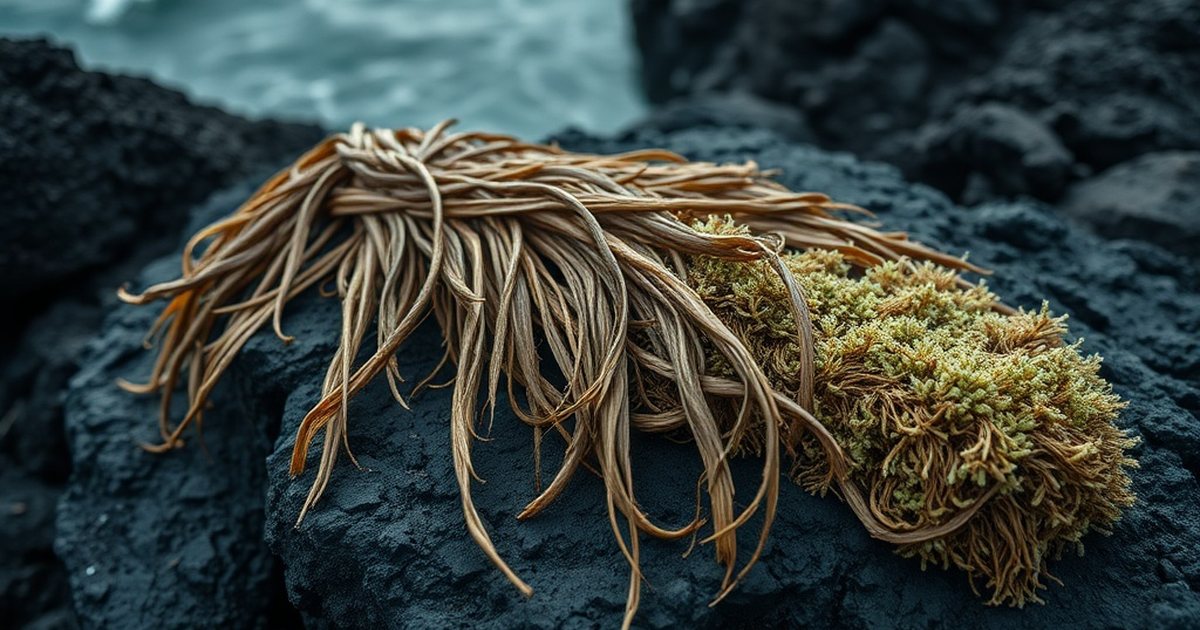
Whole, dried thalli (the body of the seaweed) offer the most reliable visual cues for species differentiation. Chondrus crispus exhibits a distinctive fan-shaped, dichotomously branching frond that is cartilaginous and rubbery when hydrated. The branches are flattened, often with a characteristic iridescent blue-green sheen at the tips when submerged, and the holdfast is a small, disc-shaped structure anchoring it to rock. The texture is notably firm and resilient due to a thick cortex and dense medulla.
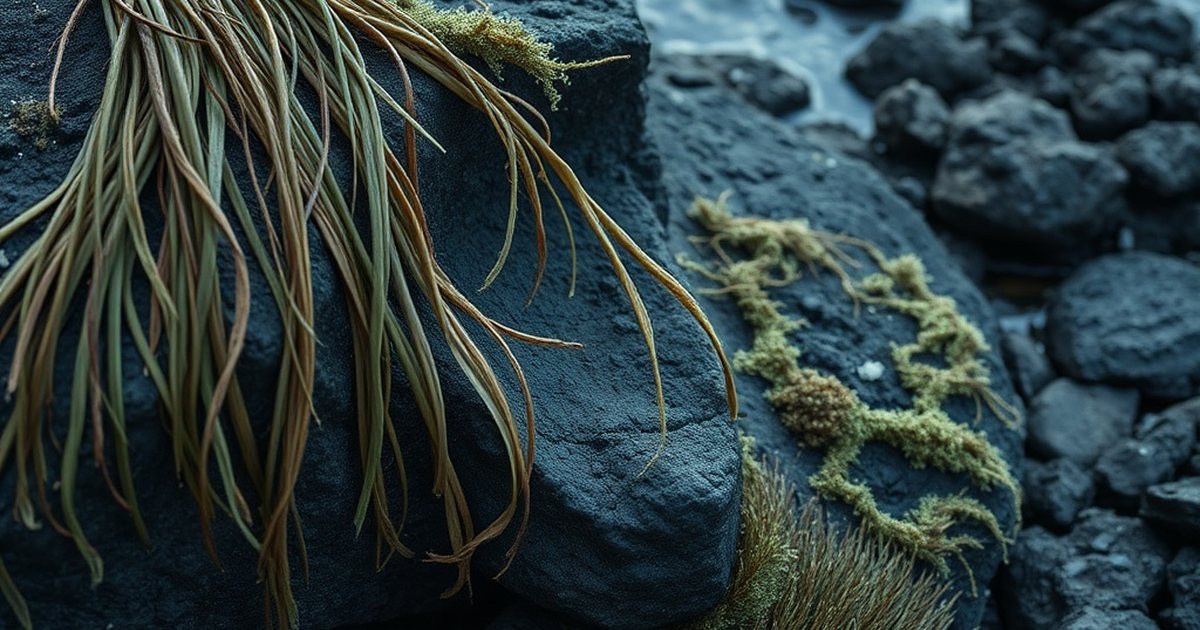
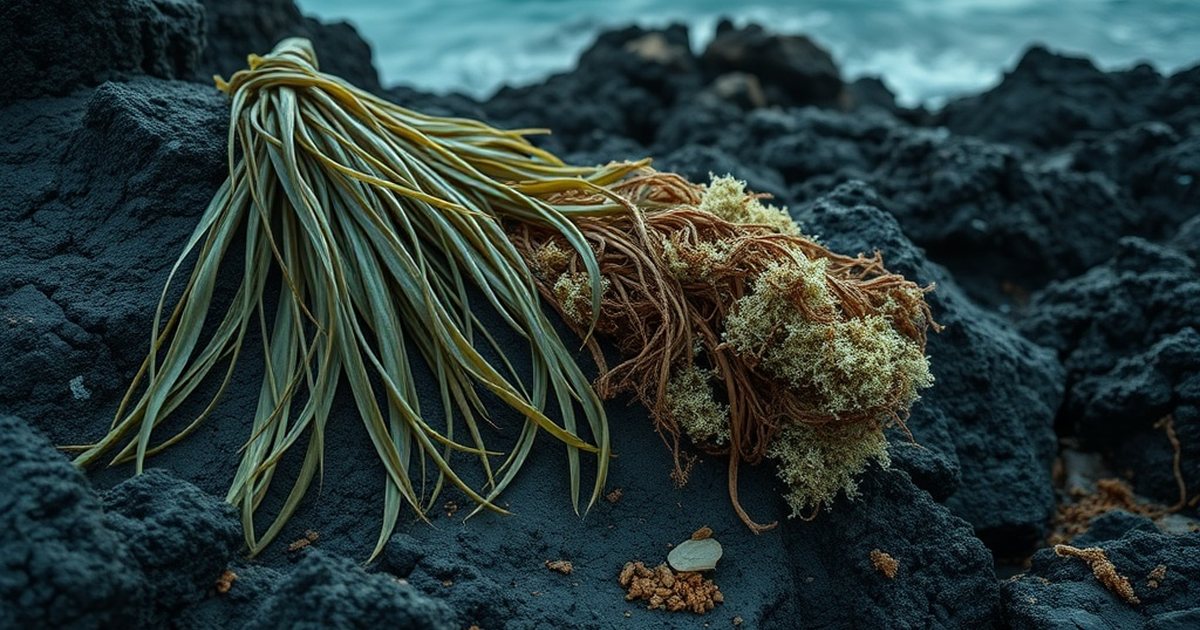
Gracilaria species typically present as cylindrical, wiry, or noodle-like branches that are highly branched but lack the flattened, fan-like morphology. The texture is more gelatinous and brittle when dry, becoming slimy and soft quickly upon rehydration. Color varies widely from deep red to pale yellow or greenish depending on species, age, and light exposure during growth. Commercially, “gold” or “purple” sea moss is almost exclusively Gracilaria that has been sun-bleached or dried under specific conditions to alter pigment presentation, whereas Chondrus crispus retains a darker, reddish-brown to purple-black hue naturally.
Habitat, Harvest, and Cultivation Practices
Chondrus crispus is a cold-water obligate, thriving in the North Atlantic from Iceland and Norway down to Portugal and the northeastern coast of North America. It grows attached to bedrock in the lower intertidal and shallow subtidal zones, exposed to high wave action and cold temperatures. Wild harvest is seasonal, labor-intensive, and limited by biomass availability, contributing to higher cost and supply constraints. There is currently no large-scale open-ocean aquaculture for Chondrus crispus that matches wild yield economics.
Gracilaria species are eurythermal and euryhaline, tolerating a wide range of temperatures and salinities. They are native to temperate and tropical waters globally and, crucially, can grow unattached (free-floating) in lagoons, estuaries, and ponds. This biological trait enabled the development of extensive pond and tank aquaculture in China, Chile, Indonesia, Vietnam, and Namibia. The vast majority of “sea moss” entering the global bulk market—often labeled “wildcrafted” despite being pond-grown—is cultivated Gracilaria. Pond cultivation allows for rapid biomass production (harvest cycles of 45–60 days) but introduces variables in water quality, nutrient loading, and potential contaminant uptake that differ fundamentally from open-ocean rocky shore harvest.

Polysaccharide Chemistry: Carrageenan vs. Agar Precursors
The primary structural polysaccharides in the cell walls define the industrial use and the gel texture of the hydrated seaweed. Chondrus crispus is a primary natural source of hybrid carrageenans—specifically a mixture of kappa- and iota-carrageenan precursors (mu- and nu-carrageenan). These sulfated galactans form strong, thermoreversible gels with potassium and calcium ions, respectively. This rheological property is why traditional Irish moss preparations yield a thick, setting gel used historically as a demulcent and food thickener.
Gracilaria species are the world’s primary source of agar, composed of agarose and agaropectin. Agar gels are formed by agarose, a neutral polysaccharide with very low sulfate content compared to carrageenan. Agar gels at lower concentrations, melts at higher temperatures (hysteresis), and produces a brittle, non-elastic gel texture. While some Gracilaria species contain minor amounts of carrageenan-like sulfated galactans, the dominant gel-forming behavior of hydrated Gracilaria is agar-like. For a consumer making a “sea moss gel” at home, this translates to a different mouthfeel, setting temperature, and stability profile depending on the genus used.
Mineral Content, Iodine Variability, and Heavy Metal Considerations
Both genera accumulate minerals from seawater, but the concentration profiles reflect their habitats. Cold-water Chondrus crispus from pristine North Atlantic sites is often cited in literature for high iodine, potassium, calcium, and magnesium content.[1] However, iodine content in seaweeds is notoriously variable[2][3]—ranging over orders of magnitude based on season, age, salinity, and processing (e.g., washing, drying, blanching). Gracilaria grown in warm, often brackish or eutrophic pond systems may exhibit different mineral ratios, potentially lower iodine per gram dry weight, but higher uptake of other elements depending on pond sediment and water source.
The lack of standardization is a critical safety gap. Supplements are not required to disclose iodine content per serving, and third-party testing for heavy metals (arsenic, lead, cadmium, mercury) is voluntary. Unregulated wildcrafted or pond-grown seaweed carries contamination risk depending on harvest waters and processing. Arsenic speciation is particularly relevant: marine algae often contain high total arsenic, predominantly as arsenosugars (generally considered lower toxicity) in red algae[4], but inorganic arsenic can be elevated in seaweeds grown in contaminated sediments. Without a Certificate of Analysis (CoA) for the specific batch, consumers cannot assess exposure risk for thyroid dysfunction or heavy metal burden.
Market Realities: Labeling, "Wildcrafted" Claims, and Pool-Grown Product
The commercial label “Irish Sea Moss” is largely a marketing term. True Chondrus crispus from Ireland or the Maritime provinces commands a premium price and is rarely found in bulk 1-lb bags sold for $20–$30 online. The overwhelming majority of mass-market “purple sea moss,” “gold sea moss,” and “wildcrafted sea moss” is cultivated Gracilaria. The term “wildcrafted” is unregulated in the supplement industry and frequently applied to seaweed harvested from managed estuaries or simply collected from the water in cultivation zones, not from pristine, open-ocean rocky shores.
A distinct category is “pool-grown” or “tank-grown” Gracilaria, cultivated in artificial seawater or recirculating systems. This method controls contaminants but produces a product with potentially lower mineral diversity (no sediment interaction), altered polysaccharide structure due to lack of environmental stress, and a very pale, often bleached appearance. Some vendors dye or bleach product to achieve the “gold” or “purple” aesthetics demanded by social media trends. Consumers should request the Latin binomial, harvest location (GPS coordinates or specific region), and third-party CoA for iodine and heavy metals—requests that many drop-shippers cannot fulfill.
🛒 Where to Buy Sea Moss & Bladderwrack
- CleanseParasites Intra-Cellular Superfood Editor’s Pick
Contains sea moss and bladderwrack alongside black cumin seed and other superfood ingredients. - American Standard Supplements Organic Sea Moss, Bladderwrack & Burdock Root Capsules
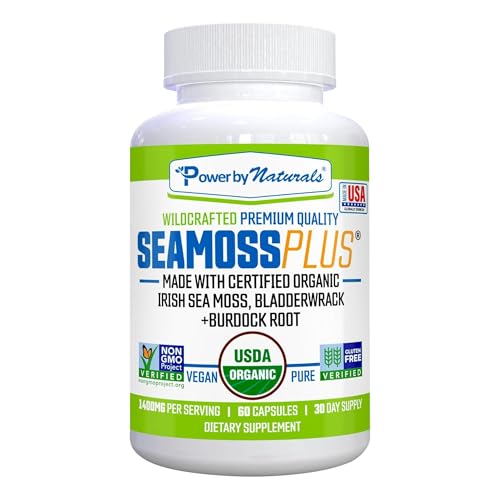
capsules, 1200mg sea moss / 1200mg bladderwrack / 225mg burdock root per serving, 120 capsules — High-dose transparent-label blend, vegan, non-GMO, made in USA; clearly stated per-ingredient milligrams rather than a proprietary blend - Secret Element Sea Moss Capsules with Burdock Root, Bladderwrack & Muira Puama
capsules, 120 capsules — Budget-friendly 4-ingredient blend, gluten-free, made in USA - Nutrivein Organic Sea Moss 1600mg with Bladderwrack & Burdock
capsules, 1600mg sea moss per serving plus bladderwrack and burdock — Widely available mid-tier brand, marketed for immune/digestive/thyroid/skin support claims
As an Amazon Associate we earn from qualifying purchases. Quality varies widely — always choose a product with a published third-party test (COA) before buying.

A Note on the Evidence
This information is educational and not medical advice. Sea moss supplements are not FDA-evaluated for safety or efficacy; iodine content is unstandardized and can harm thyroid function, especially with pre-existing conditions or medication use. Heavy metal contamination is a documented risk in unregulated products. Consult a healthcare provider before adding seaweed supplements to your regimen.
Frequently Asked Questions
Is Gracilaria "fake" sea moss?
Gracilaria is a real genus of red seaweed used globally for agar production and food. It is not “fake” algae, but it is botanically distinct from Chondrus crispus, the traditional Irish moss. Marketing it as “Irish Sea Moss” without clarification is a misidentification.
Which has more iodine: Chondrus crispus or Gracilaria?
Iodine content is highly variable in both and depends more on harvest location, season, and processing than on genus alone. Cold-water Chondrus crispus often tests higher, but pond-grown Gracilaria can accumulate significant iodine depending on water chemistry. Neither provides a reliable standardized dose.
Why does my sea moss gel look different than videos online?
Gel texture depends on the polysaccharide type. Chondrus crispus (carrageenan-rich) yields a thick, elastic, spoonable gel. Gracilaria (agar-rich) yields a more brittle, firm, jelly-like gel that melts at higher temperatures. Bleaching and washing also affect texture.

Is "wildcrafted" on the label a guarantee of quality?
No. “Wildcrafted” is an unregulated marketing term. It does not verify species, harvest location, water purity, or testing. Many “wildcrafted” products are harvested from managed cultivation areas or estuaries. Always request a Certificate of Analysis.
Can I take sea moss if I have a thyroid condition?
Sea moss contains highly variable iodine levels. Excess iodine can trigger or worsen thyroid dysfunction (hyperthyroidism, hypothyroidism, or autoimmune flares). Individuals with thyroid conditions, on thyroid medication, or who are pregnant should consult a physician before use.
Does pool-grown sea moss have fewer minerals?
Pool-grown seaweed is cultivated in artificial or recirculated water, limiting exposure to the full spectrum of trace minerals and sediment-derived elements found in open-ocean or estuarine environments. The mineral profile reflects the input water formulation.
References
- Risk assessment of iodine intake from the consumption of red seaweeds (Palmaria palmata and Chondrus crispus). Environmental Science and Pollution Research (2020). PMID 32803579
- Variability of iodine content in common commercially available edible seaweeds. Thyroid (2004). PMID 15588380
- Variability in iodine in temperate seaweeds and iodine accumulation kinetics of Fucus vesiculosus and Laminaria digitata. Journal of Phycology (2018). PMID 29130494
- Survey of arsenic content in edible seaweeds and their health risk assessment. Food and Chemical Toxicology (2024). PMID 38499235
These statements have not been evaluated by the Food and Drug Administration. This information is not intended to diagnose, treat, cure, or prevent any disease. Content is for informational purposes only and is not medical advice; consult a qualified healthcare provider before starting any supplement. As an Amazon Associate we earn from qualifying purchases.
