The combination of sea moss (Chondrus crispus), bladderwrack (Fucus vesiculosus), and burdock root (Arctium lappa) has gained widespread popularity through the “mucusless” dietary framework popularized by the late Alfredo Bowman, known as Dr. Sebi. Proponents claim the trio synergistically detoxifies the body, replenishes minerals, and eliminates “mucus” believed to underlie disease, yet this physiological framework is not recognized in conventional medicine or nutritional science.
Botanically, these are three distinct organisms: a red alga, a brown alga, and a terrestrial asterid root. Their nutrient profiles, active compounds, and safety profiles differ significantly. This article deconstructs each ingredient’s composition, the limited clinical evidence behind common wellness claims, and the critical safety variables—specifically iodine volatility and heavy metal contamination—that consumers must evaluate before use.
Key Takeaways
- The trio comprises three botanically distinct sources: a red alga (carrageenan/minerals), a brown alga (highly variable iodine/fucoidan), and a terrestrial root (inulin/polyphenols); they are not interchangeable.
- Bladderwrack drives the primary safety risk: unpredictable iodine doses that can destabilize thyroid function, especially in autoimmune thyroid disease, pregnancy, or on thyroid medication.
- Heavy metal contamination (arsenic, lead, cadmium) is a documented risk for all three ingredients depending on harvest environment; batch-specific third-party Certificates of Analysis (COAs) are the only verification of purity.[1][2]
- Human clinical evidence does not exist for the combined “trio”; wellness claims rely on traditional use, theoretical mechanisms, and isolated preclinical data on single constituents.
- Burdock root adds prebiotic inulin (a FODMAP) and antioxidants but contributes no iodine; it may cause digestive distress in IBS-sensitive individuals at higher doses.
Botanical Origins and Traditional Context
Sea moss (Chondrus crispus), often called Irish moss, is a red algae (Rhodophyta) native to Atlantic coastlines of Europe and North America. Historically, it was harvested as a famine food and used in Irish and Caribbean cuisine as a thickener due to its high carrageenan content—a family of sulfated polysaccharides. Bladderwrack (Fucus vesiculosus) is a brown algae (Phaeophyceae) found in similar intertidal zones, distinguished by air-filled bladders (pneumatocysts) that aid flotation. It has a longer history in European herbal pharmacopeias, primarily as a source of iodine for goiter prevention. Burdock root (Arctium lappa) belongs to the Asteraceae family (related to daisies and sunflowers) and grows as a biennial weed across temperate regions globally. Its traditional use in European, Native American, and Asian medicine centers on “blood purification” and skin conditions, attributed to its bitter principles and root storage carbohydrates.

The “Dr. Sebi” protocol posits that disease stems from excess mucus caused by an acidic diet, and that these three alkaline botanicals restore electrical balance. While the alkaline diet theory lacks robust physiological validation—blood pH is tightly regulated by renal and respiratory systems independent of food ash—the individual components do possess distinct nutritional and phytochemical properties worthy of separate analysis. The marketing of these three as a mandatory, synergistic “trio” is a commercial formulation choice rather than a botanical or clinical necessity.
Nutrient Profiles and Primary Bioactives
Sea moss is marketed as a “mineral powerhouse,” containing variable amounts of magnesium, potassium, calcium, and trace elements absorbed from seawater. Its defining constituent is carrageenan (primarily kappa and lambda types), a hydrocolloid used industrially as a thickener (E407). In the gut, food-grade carrageenan acts as a soluble fiber, largely resisting digestion and potentially exerting prebiotic effects by fermenting into short-chain fatty acids. However, the mineral density is highly dependent on harvest location, season, and water temperature; dried sea moss is roughly 15-25% mineral ash by weight, but serving sizes (typically 1-2 tablespoons of gel) deliver modest absolute mineral quantities relative to Daily Values.
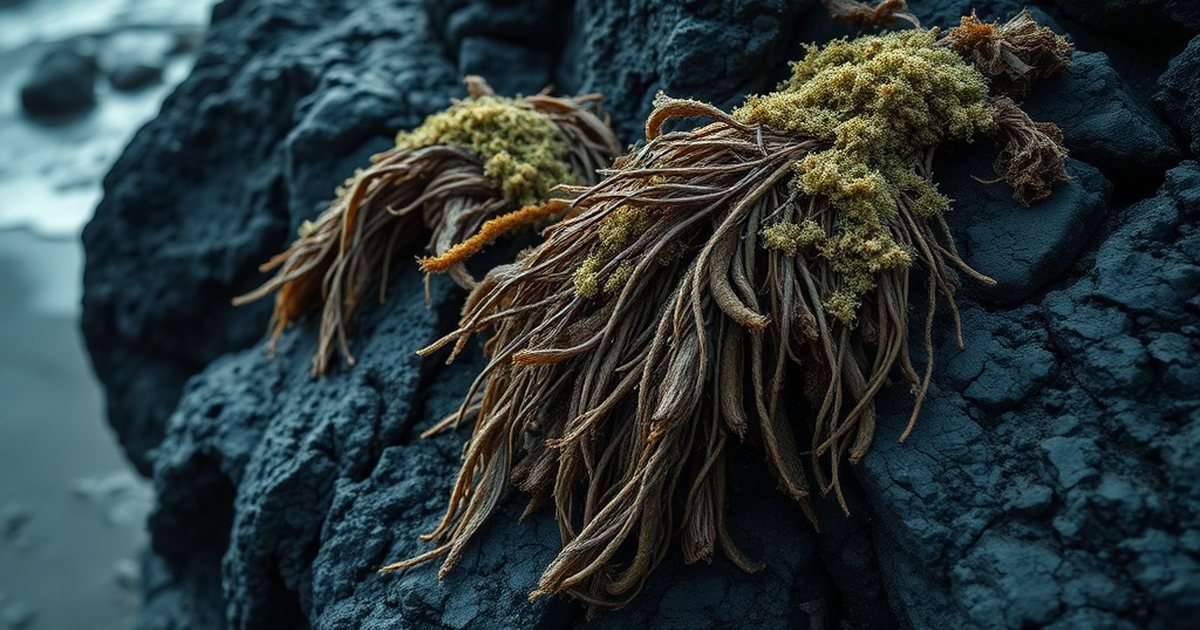
Bladderwrack’s claim to fame is iodine. As a brown algae, it concentrates iodine from seawater at levels orders of magnitude higher than sea moss[3][4]—often 0.05% to 1.0% dry weight (500–10,000 ppm), though extreme variability is the norm. It also contains fucoidan, a sulfated fucose-rich polysaccharide studied preclinically for anticoagulant, antiviral, and immunomodulatory activity, and alginate, a fiber that can bind heavy metals and bile acids in the gut. Burdock root differs fundamentally: it stores energy as inulin (a fructan polymer) rather than starch, making it a potent prebiotic fiber (up to 45-50% of dry weight). Its phenolic profile includes caffeoylquinic acids (chlorogenic acid), quercetin derivatives, and the lignan arctigenin, which demonstrate antioxidant and anti-inflammatory activity in cell and animal models. Burdock provides negligible iodine.
Iodine Volatility and Thyroid Safety
The most significant clinical risk in this trio comes from bladderwrack’s iodine content. The iodine concentration in Fucus vesiculosus can vary by a factor of 100 or more depending on species, age, harvest season, and geographic origin. A single gram of dried bladderwrack can deliver anywhere from 50 mcg to over 5,000 mcg of iodine. The Recommended Dietary Allowance (RDA) for adults is 150 mcg; the Tolerable Upper Intake Level (UL) is 1,100 mcg. Many commercial “trio” capsules or gels contain proprietary blends where the bladderwrack ratio is undisclosed, making iodine dosing a guessing game.

Excess iodine intake can trigger or exacerbate thyroid dysfunction in susceptible individuals.[5][2] In those with underlying autoimmune thyroiditis (Hashimoto’s), Graves’ disease, or nodular goiter, a sudden iodine load can precipitate hypothyroidism (Wolff-Chaikoff effect failure) or iodine-induced hyperthyroidism (Jod-Basedow phenomenon). Pregnant and lactating women have higher iodine needs but are also more vulnerable to the teratogenic effects of iodine excess on fetal thyroid development. Patients on levothyroxine require stable iodine intake; unregulated bladderwrack supplements introduce unpredictable variability that complicates dose management. Sea moss contributes minor iodine; burdock contributes none.
Gut Health: Polysaccharides and Prebiotics
The gut health claims for this trio rest on three distinct fibers: carrageenan (sea moss), fucoidan/alginate (bladderwrack), and inulin (burdock). Food-grade (undegraded) carrageenan is a high-molecular-weight polysaccharide generally recognized as safe (GRAS) by the FDA for use as a thickener. It is poorly digested and fermented slowly by colonic microbiota.[6] Controversy exists regarding degraded carrageenan (poligeenan), a low-molecular-weight fraction produced by harsh acid hydrolysis, which is a known inflammatory agent in animal models and not permitted in food. Reputable sea moss gels should consist of whole-food carrageenan, but supplements lack standardization to guarantee absence of low-molecular-weight fragments.
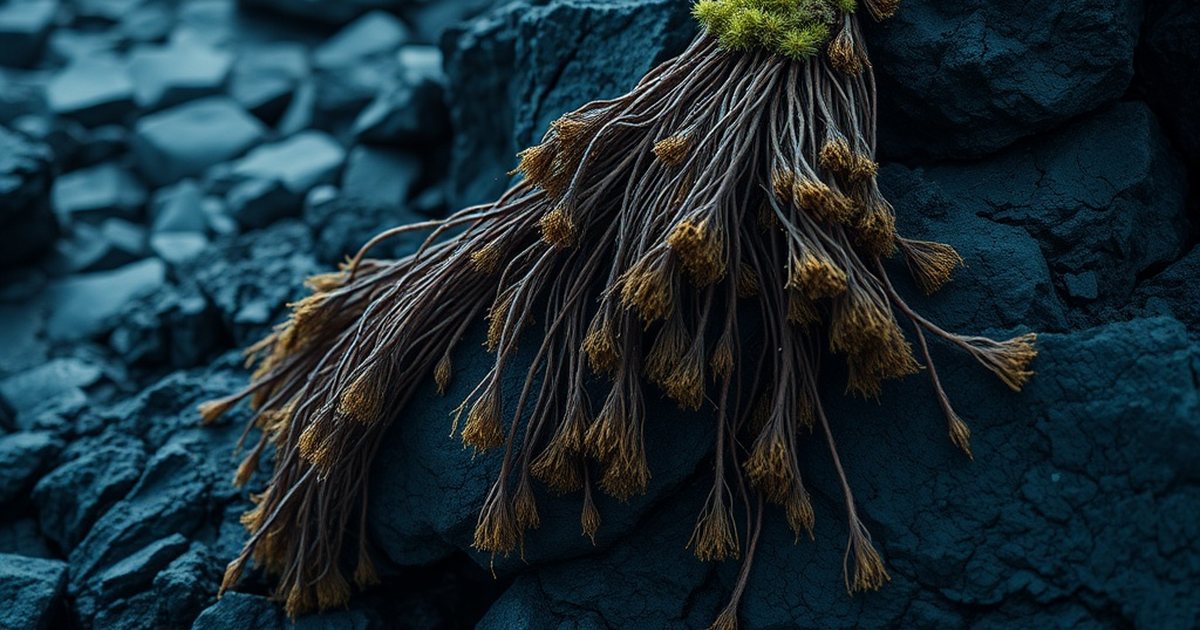
Fucoidan from bladderwrack shows promise in vitro for modulating gut microbiota composition and enhancing mucosal immunity, but human clinical data are limited to small pilot studies or studies on isolated fucoidan extracts, not whole bladderwrack powder. Alginate forms a viscous gel in the stomach, which may promote satiety and reduce glucose absorption. Burdock’s inulin is a well-established prebiotic; it selectively stimulates Bifidobacteria growth. However, inulin is a FODMAP (fermentable oligosaccharide), and doses above 5-10g can cause significant gas, bloating, and distension in individuals with Irritable Bowel Syndrome (IBS) or fructose malabsorption. A typical burdock root supplement dose (500-1000mg) provides low inulin, but “trio” powders consumed in teaspoon quantities may deliver functional prebiotic doses.
Heavy Metal Contamination and Sourcing Reality
Marine algae are bioaccumulators. Because they lack root systems and absorb nutrients directly across their thalli from seawater, they concentrate environmental contaminants—specifically arsenic, lead, cadmium, and mercury—at levels reflecting their harvest waters. Brown algae (bladderwrack) generally accumulate higher arsenic concentrations than red algae (sea moss), predominantly as arsenosugars (organic arsenic), which are considered less toxic than inorganic arsenic[7][8], though metabolic conversion in humans is not fully elucidated. Inorganic arsenic (the toxic form) percentages vary by species and location. Lead and cadmium uptake is driven by industrial runoff and natural geological leaching.
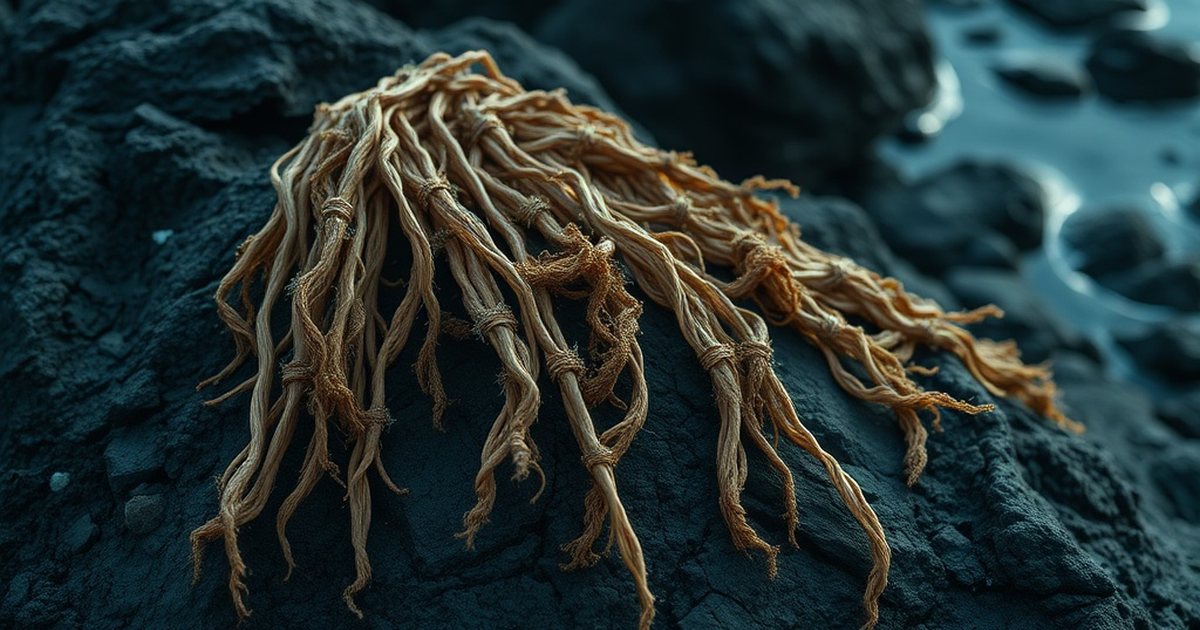
Burdock root, as a terrestrial taproot, absorbs contaminants from soil. It is a known hyperaccumulator of lead and cadmium if grown in contaminated soils (e.g., near roadways, industrial sites, or old orchards with lead arsenate pesticide history). Wildcrafted burdock carries higher risk than cultivated, controlled-field sources. For all three ingredients, “wildcrafted” is a marketing term implying purity but often indicates zero agricultural controls. The only reliable risk mitigation is a Certificate of Analysis (COA) from an ISO-accredited third-party lab testing each batch for: total arsenic (ideally speciated into inorganic/organic), lead, cadmium, mercury, and iodine content. Products lacking batch-specific COAs should be viewed as unverified.
Regulatory Status and the Evidence Gap for the Combination
In the United States, sea moss, bladderwrack, and burdock root are sold as dietary supplements under the Dietary Supplement Health and Education Act (DSHEA) of 1994. The FDA does not evaluate them for safety or efficacy before market entry. Manufacturers are responsible for ensuring safety and label accuracy, but there is no mandatory standardization for identity, potency, or contaminant limits for these botanicals. “Proprietary blends” on supplement facts panels obscure the exact ratio of the three ingredients, preventing consumers from estimating iodine or fiber intake.
Critically, there are no published human clinical trials evaluating the specific combination of sea moss, bladderwrack, and burdock root—the “trio”—for any health outcome. The evidence base consists entirely of: (1) pharmacokinetic data on iodine from bladderwrack/kelp; (2) preclinical (cell/animal) studies on isolated fucoidan, carrageenan, or arctigenin; (3) nutritional composition tables for the raw materials; and (4) traditional use records. Claims that the trio “detoxifies heavy metals,” “reverses diabetes,” “cures herpes,” or “eliminates mucus” are extrapolations from mechanistic theory or single-ingredient preclinical data, not clinical proof. The concept of “mucus” as a pathological substrate removable by herbs is a vitalistic construct without correlate in histology or pathophysiology.

🛒 Where to Buy Sea Moss & Bladderwrack
- CleanseParasites Intra-Cellular Superfood Editor’s Pick
Contains sea moss and bladderwrack alongside black cumin seed and other superfood ingredients. - American Standard Supplements Organic Sea Moss, Bladderwrack & Burdock Root CapsulesLab-tested / studied
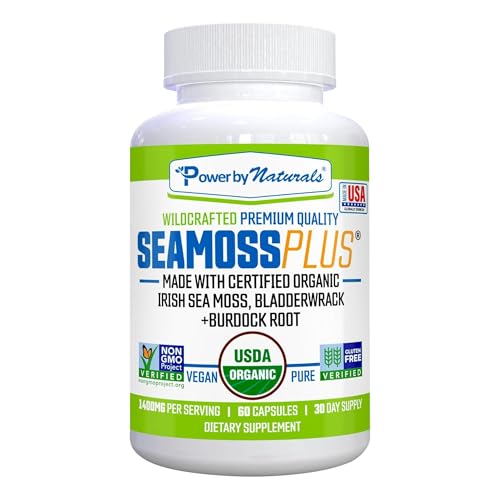
capsules, 1200mg sea moss / 1200mg bladderwrack / 225mg burdock root per serving, 120 capsules — High-dose transparent-label blend, vegan, non-GMO, made in USA; clearly stated per-ingredient milligrams rather than a proprietary blend - Secret Element Sea Moss Capsules with Burdock Root, Bladderwrack & Muira Puama
capsules, 120 capsules — Budget-friendly 4-ingredient blend, non-GMO, gluten-free, made in USA - Nutrivein Organic Sea Moss 1600mg with Bladderwrack & Burdock
capsules, 1600mg sea moss per serving plus bladderwrack and burdock — Widely available mid-tier brand, marketed for immune/digestive/thyroid/skin support claims
As an Amazon Associate we earn from qualifying purchases. Quality varies widely — always choose a product with a published third-party test (COA) before buying.

A Note on the Evidence
This content is informational and not medical advice. Iodine content in bladderwrack-heavy supplements varies wildly and can trigger thyroid dysfunction; individuals with thyroid conditions, those on levothyroxine, pregnant or lactating women, and those with iodine sensitivity should avoid unstandardized blends. Heavy metal contamination is a documented risk for wildcrafted seaweeds and root vegetables; verify third-party batch testing. Consult a qualified healthcare provider before adding these supplements to your regimen.
Frequently Asked Questions
What is the Dr. Sebi 'mucusless' trio?
It is a specific combination of sea moss (Chondrus crispus), bladderwrack (Fucus vesiculosus), and burdock root (Arctium lappa) promoted within the alkaline diet methodology of Alfredo Bowman (Dr. Sebi). The protocol asserts these herbs remove excess ‘mucus’ and restore mineral balance, though ‘mucus’ in this context is a metaphysical concept not recognized in medical physiology.
Does sea moss contain more iodine than bladderwrack?
Generally, no. Bladderwrack (a brown algae) is a notorious iodine accumulator, often containing 100 to 1,000 times more iodine per gram than sea moss (a red algae). Bladderwrack is the primary driver of iodine toxicity risk in trio blends.
Can I take the trio if I have Hashimoto's thyroiditis?
This requires extreme caution and endocrinologist supervision. High, fluctuating iodine intake from bladderwrack can flare autoimmune thyroiditis or induce hypothyroidism/hyperthyroidism. Stable, low-dose iodine (if indicated) from a standardized source is clinically preferred over variable whole-algae powders.
Is burdock root just a filler in the blend?
No. Burdock root provides a distinct phytochemical profile: high inulin (prebiotic fiber), caffeoylquinic acids, quercetin, and arctigenin. It contributes antioxidant and gut-microbiome modulation effects unrelated to the marine mineral/iodine profile of the seaweeds.

How can I verify a sea moss/bladderwrack/burdock product is safe?
Demand a batch-specific Certificate of Analysis (COA) from an ISO 17025 accredited third-party lab. The COA must report: iodine content (mcg/g), lead, cadmium, mercury, and total arsenic (ideally speciated for inorganic arsenic). Microbiological testing (E. coli, Salmonella, yeast/mold) should also be present. ‘Wildcrafted’ or ‘organic’ labels alone do not guarantee low heavy metals.
Does the trio 'detox' heavy metals from the body?
There is no clinical evidence the trio removes stored heavy metals from human tissues. Alginate (in bladderwrack) and carrageenan (in sea moss) can bind metals *in the gut lumen*, potentially reducing dietary absorption of metals consumed simultaneously, but they do not act as systemic chelators for existing body burden. Claims of ‘detox’ conflate gut binding with systemic chelation.
References
- Emergence of Seaweed and Seaweed-Containing Foods in the UK: Focus on Labeling, Iodine Content, Toxicity and Nutrition. Foods (2015). PMID 28231201
- Elemental Composition of Algae-Based Supplements by Energy Dispersive X-ray Fluorescence. Plants (Basel) (2021). PMID 34685850
- Variability in iodine in temperate seaweeds and iodine accumulation kinetics of Fucus vesiculosus and Laminaria digitata. Journal of Phycology (2018). PMID 29130494
- Risk assessment of iodine intake from the consumption of red seaweeds (Palmaria palmata and Chondrus crispus). Environmental Science and Pollution Research (2020). PMID 32803579
- Transient hyperthyroidism following the ingestion of complementary medications containing kelp seaweed: A case report. Medicine (Baltimore) (2019). PMID 31517826
- Gut Microbiota Modulation by Carboxymethyl Cellulose and Carrageenan: Current Evidence and Health Implications. Foods (2026). PMID 42073323
- Survey of arsenic content in edible seaweeds and their health risk assessment. Food and Chemical Toxicology (2024). PMID 38499235
- Trace metal occurrence in Mediterranean seaweeds. Environmental Science and Pollution Research (2018). PMID 29368198
These statements have not been evaluated by the Food and Drug Administration. This information is not intended to diagnose, treat, cure, or prevent any disease. Content is for informational purposes only and is not medical advice; consult a qualified healthcare provider before starting any supplement. As an Amazon Associate we earn from qualifying purchases.
