Sea moss (Chondrus crispus, also called Irish moss) has become a popular supplement marketed for thyroid support, gut health, and general mineral intake. Much of that popularity rests on its iodine content, since iodine is an essential building block of thyroid hormone. But iodine is a two-edged nutrient: too little impairs thyroid function, and too much can also disrupt it, particularly in people who already have thyroid disease or an iodine-sensitive gland.
Most of the rigorous clinical research on seaweed iodine and thyroid outcomes has been done with bladderwrack (Fucus vesiculosus) and other iodine-rich seaweeds, rather than sea moss specifically. This article looks honestly at what that research shows, why iodine content varies so much between products, and who should be careful before adding sea moss to a daily routine.
Key Takeaways
- Sea moss’s thyroid reputation comes from its iodine content, and iodine is genuinely essential for thyroid hormone production [1]
- Sea moss products are not standardized: iodine content varies widely by source, species, and processing, making dosing unpredictable
- Too much iodine can cause thyroid dysfunction just as too little can, especially in people with existing thyroid disease [2]
- Pregnant women, vegans/vegetarians, and people on thyroid medication should treat iodine intake as something to measure, not maximize [3] [4]
- Heavy metal contamination is a separate risk from iodine dosing; third-party testing and transparent sourcing matter
Why Iodine Matters for the Thyroid
The thyroid gland uses iodine as a raw material to produce thyroid hormones (T3 and T4), which regulate metabolism, energy use, and growth throughout the body. Iodine intake below recommended levels is a well-documented cause of thyroid dysfunction worldwide, and correcting deficiency with iodine sources, including seaweed, has been shown to improve iodine status in people who are insufficient [5].
This is the basic mechanism behind sea moss’s reputation as a ‘thyroid support’ food: it is a natural source of iodine, and iodine-containing seaweeds have long been studied in relation to thyroid physiology, including early work specifically on Fucus species and thyroid gland activity [6].

The Iodine Content Problem: Sea Moss Is Not Standardized
Unlike a pharmaceutical iodine supplement, sea moss is a whole food product harvested from the ocean, and its iodine concentration varies substantially depending on species, harvest location, water conditions, and processing method. A capsule or gel from one brand may contain a fraction of the iodine found in another, and labels often do not specify tested iodine content at all.
This variability matters because iodine has a documented dose-response relationship with thyroid function: adequate intake supports normal hormone production, but excessive intake can trigger thyroid dysfunction in susceptible individuals [2]. Without consistent, tested iodine levels, it is difficult to know whether a given sea moss product is providing a helpful amount, a negligible amount, or an excessive one.
What Happens When Iodine Intake Is Too High
Iodine-induced thyroid dysfunction is a recognized clinical phenomenon, not a fringe concern. Excess iodine intake, including from seaweed sources, can precipitate both hypothyroidism and hyperthyroidism, particularly in people with pre-existing thyroid autoimmunity, nodules, or a history of thyroid disease [2].
Bladderwrack in particular tends to carry much higher and more variable iodine concentrations than sea moss, and blended supplements that combine the two can push iodine intake well beyond what a person expects from a ‘sea moss gel’ label. Comprehensive iodine reference reviews describe both deficiency and excess as risks to thyroid health, underscoring that iodine intake needs to sit within a specific range rather than simply being maximized [1].

Who Should Be Particularly Cautious
People taking levothyroxine or other thyroid medication, those with autoimmune thyroid conditions (such as Hashimoto’s or Graves’ disease), and those with thyroid nodules should be cautious with unregulated iodine sources, since added iodine can interfere with medication dosing or destabilize an already sensitive gland [2].
Pregnant and breastfeeding women have increased iodine requirements, and iodine supplementation in this group has been studied specifically because both too little and too much can affect maternal and infant thyroid function; guidance in this area calls for measured, monitored intake rather than open-ended supplementation [3]. Iodine also appears to play a role in mammary gland tissue integrity, another reason pregnant and lactating women should treat iodine intake as a number to track, not just a wellness buzzword [7].
People following vegan or vegetarian diets are another group worth flagging: dietary patterns that exclude fish, dairy, and iodized animal products can already run low in iodine, and modern reviews on this population highlight iodine adequacy as an ongoing nutrition challenge, which is part of why sea moss and other seaweeds get marketed to this group [4]. That context makes seaweed a genuinely relevant iodine source for some vegans, but it does not remove the need to know the dose.
Contamination and Sourcing: A Separate Risk From Iodine
Beyond iodine dosing, unregulated wildcrafted sea moss carries a separate risk: heavy metal contamination. Seaweed absorbs minerals from the water it grows in, including arsenic, lead, and cadmium when present in the surrounding environment. Because sea moss supplements are not standardized products, contamination risk depends heavily on harvest location and how the product was processed and tested, information that is often not disclosed on the label.
This means that even a product with a ‘safe’ iodine level could still carry heavy metal exposure risk if it wasn’t third-party tested. Sourcing transparency, batch testing, and reputable suppliers matter more here than marketing claims about potency or ‘wild-harvested’ origin.
What the Evidence Does and Doesn't Support
The evidence base most directly supports a narrower claim than social media suggests: iodine-containing seaweed can improve iodine status in people who are iodine-insufficient [5], and iodine itself is essential to normal thyroid hormone production [1]. Early pharmacological work specifically examined Fucus (bladderwrack) iodine content and thyroid gland effects [6], which is a different plant than Chondrus crispus (sea moss), though the two are frequently sold together in blended products.
What the evidence does not support is sea moss as a general ‘thyroid healer’ for people with normal iodine status, nor as a safe, one-size-fits-all supplement regardless of existing thyroid condition, medication use, or pregnancy status. The clinical literature on iodine is fundamentally about a dose window, not a substance that is uniformly beneficial the more of it you take [2].
🛒 Where to Buy Sea Moss & Bladderwrack
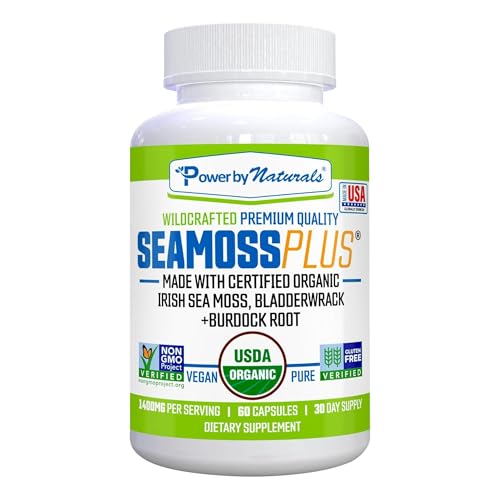
- CleanseParasites Intra-Cellular Superfood Editor’s Pick
Contains sea moss and bladderwrack alongside black cumin seed and other superfood ingredients. - American Standard Supplements Organic Sea Moss, Bladderwrack & Burdock Root CapsulesLab-tested / studied
capsules, 1200mg sea moss / 1200mg bladderwrack / 225mg burdock root per serving, 120 capsules — High-dose transparent-label blend, vegan, non-GMO, made in USA; clearly stated per-ingredient milligrams rather than a proprietary blend - Secret Element Sea Moss Capsules with Burdock Root, Bladderwrack & Muira Puama
capsules, 120 capsules — Budget-friendly 4-ingredient blend, non-GMO, gluten-free, made in USA - Nutrivein Organic Sea Moss 1600mg with Bladderwrack & Burdock
capsules, 1600mg sea moss per serving plus bladderwrack and burdock — Widely available mid-tier brand, marketed for immune/digestive/thyroid/skin support claims
As an Amazon Associate we earn from qualifying purchases. Quality varies widely — always choose a product with a published third-party test (COA) before buying.

A Note on the Evidence
This article is informational, not medical advice. Sea moss and bladderwrack supplements are not standardized for iodine content, the FDA has not evaluated them for treating or preventing any disease, and both iodine excess and heavy metal contamination are real risks; anyone with thyroid disease, who is pregnant, or on thyroid medication should consult a doctor before use.
Frequently Asked Questions
Does sea moss actually help thyroid function?
Sea moss contains iodine, which the thyroid needs to make hormones, and seaweed supplementation has been shown to improve iodine status in people who are iodine-insufficient [5]. But this is different from sea moss being a universal thyroid ‘fix’ for everyone, since excess iodine can just as easily disrupt thyroid function [2].
Is sea moss the same as bladderwrack for thyroid purposes?
No. Sea moss (Chondrus crispus) and bladderwrack (Fucus vesiculosus) are different seaweeds, and most direct clinical research on iodine and thyroid gland effects has focused on Fucus [6]. They’re often sold together in blended products, which can make total iodine intake harder to predict.
Can sea moss cause thyroid problems?
Yes, this is possible if intake is high enough or if someone already has a thyroid condition. Iodine-induced thyroid dysfunction, including both hypothyroidism and hyperthyroidism, is a recognized risk of excess iodine intake [2].

Is sea moss safe during pregnancy?
Iodine needs increase during pregnancy, and iodine supplementation in pregnant women has been studied specifically because of its importance to maternal and fetal thyroid health [3]. Because sea moss iodine content is unstandardized, pregnant women should talk to a doctor before using it rather than dosing informally.
Who should avoid sea moss or use it cautiously?
People with autoimmune thyroid disease, thyroid nodules, or those on thyroid medication like levothyroxine should be cautious, since added iodine can interfere with thyroid regulation or medication dosing [2]. Pregnant women and people relying on it as their main iodine source should also seek medical guidance [3].
Why do vegans take sea moss for iodine?
Vegan and vegetarian diets can run low in iodine since many dietary iodine sources are animal-derived or iodized dairy/salt, and this is a recognized nutritional gap in these diets [4]. Seaweed is one of the few plant-based iodine sources, but the same dosing caution applies: more isn’t automatically better.
References
- et al. Iodine. (2006). PMID 30000537
- Leung AM et al. Iodine-induced thyroid dysfunction. Current opinion in endocrinology, diabetes, and obesity (2012). PMID 22820214
- Zimmermann M et al. Iodine supplementation of pregnant women in Europe: a review and recommendations. European journal of clinical nutrition (2004). PMID 15220938
- Croce L et al. Modern challenges of iodine nutrition: vegan and vegetarian diets. Frontiers in endocrinology (2025). PMID 40405969
- Combet E et al. Low-level seaweed supplementation improves iodine status in iodine-insufficient women. The British journal of nutrition (2014). PMID 25006699
- Hendriks H et al. [The presence of iodine in fucus and the thyroid gland]. Pharmaceutisch weekblad (1972). PMID 4639616
- Aceves C et al. Is iodine a gatekeeper of the integrity of the mammary gland?. Journal of mammary gland biology and neoplasia (2005). PMID 16025225
These statements have not been evaluated by the Food and Drug Administration. This information is not intended to diagnose, treat, cure, or prevent any disease. Content is for informational purposes only and is not medical advice; consult a qualified healthcare provider before starting any supplement. As an Amazon Associate we earn from qualifying purchases.
