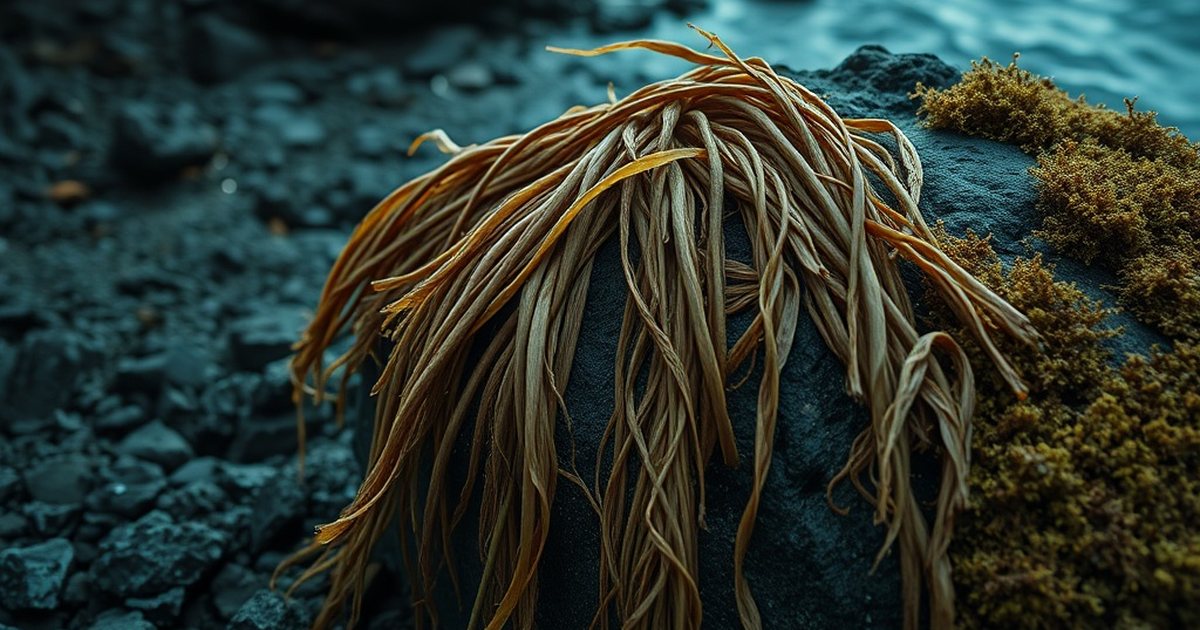
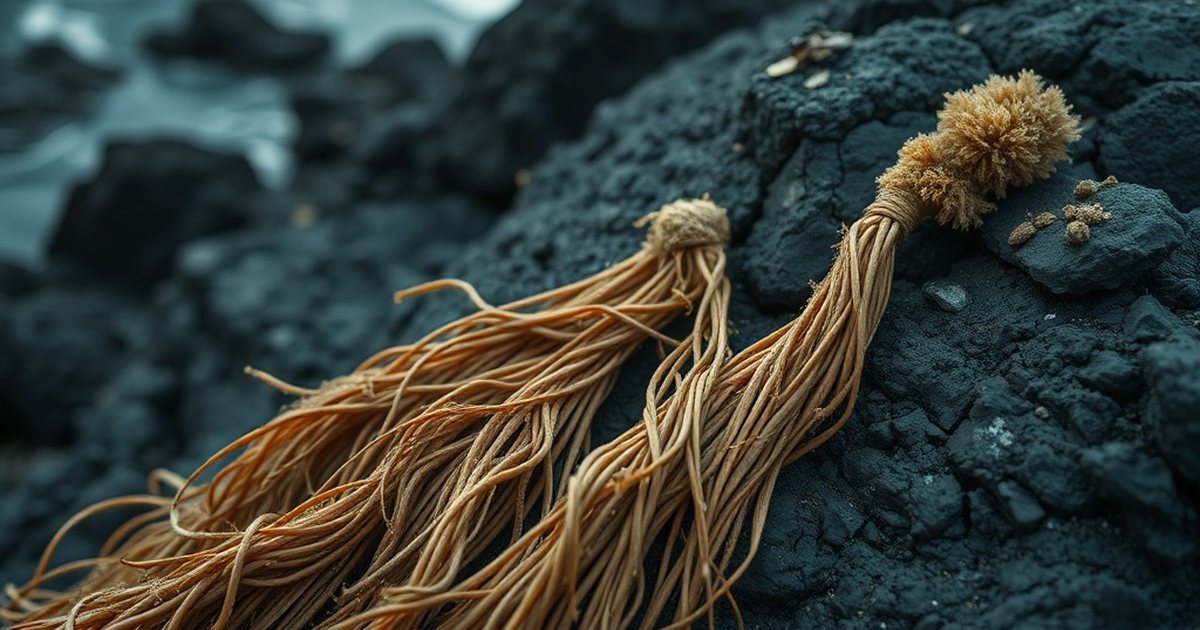
Bladderwrack is the common name for Fucus vesiculosus, a brown seaweed that grows along rocky coastlines of the North Atlantic and North Sea. It gets its name from the small, gas-filled pouches (bladders) along its fronds that help the seaweed float toward sunlight at high tide. For centuries it has been dried, powdered, and used in coastal folk medicine, most notably as a natural source of iodine long before iodized salt existed.
Today bladderwrack shows up in capsules, loose-leaf tea, tinctures, and topical products, often marketed for thyroid support, metabolism, digestion, and skin care. Much of that marketing outpaces the actual research. This article explains what bladderwrack is, why it was traditionally used, what the plausible mechanisms are, and where the evidence is thin, so you can evaluate it honestly rather than by hype.
Key Takeaways
- Bladderwrack (Fucus vesiculosus) is a brown seaweed valued mainly for its concentrated natural iodine content.
- Its most credible traditional use, supporting thyroid function, ties directly to iodine’s known role in thyroid hormone production.
- Fucoidan, a compound unique to brown seaweed, is being studied for immune and gut-related effects, but the research is still early.
- Iodine content is inconsistent between products and can be too much for people with thyroid conditions or those on thyroid medication.
- Sourcing matters: unregulated or wildcrafted bladderwrack can carry heavy metal contamination risk, so third-party testing is worth checking for.
What Bladderwrack Actually Is
Fucus vesiculosus is a brown algae, distinct from red seaweeds like sea moss (Chondrus crispus). It grows in the intertidal zone, meaning it is regularly exposed to air and sun at low tide, which has shaped its chemistry: it produces mucilaginous polysaccharides and pigments that help it tolerate drying out and UV exposure.
As a food and supplement, bladderwrack is typically sold dried and ground into powder, encapsulated, or steeped as tea. It has a naturally salty, mineral-forward taste, which reflects its role as a seawater-concentrating organism, it absorbs and stores minerals, including iodine, from the ocean water it grows in.
Traditional and Historical Use
Coastal communities in Europe used bladderwrack as animal feed, fertilizer, and a folk remedy for sluggish metabolism and swollen glands, well before the biochemistry of iodine and the thyroid gland was understood. Its high iodine content likely explains why it was historically associated with ‘goiter’ remedies, since iodine deficiency is a classic cause of goiter (an enlarged thyroid).

It was also used topically and internally as a general tonic for digestion and skin conditions, though these traditional uses were based on folk observation rather than controlled study.
The Proposed Mechanisms: Iodine and Fucoidan
Bladderwrack’s most well-established property is its iodine content. Iodine is an essential mineral the thyroid gland uses to produce thyroid hormones (T3 and T4), which regulate metabolism throughout the body. Because bladderwrack concentrates iodine from seawater, it can meaningfully affect thyroid hormone levels, this is the most credible mechanism behind its traditional ‘metabolism support’ reputation.[1]
The second area of interest is fucoidan, a sulfated polysaccharide unique to brown seaweeds like bladderwrack. Fucoidan is being studied in early laboratory and preliminary human research for potential effects on immune signaling and gut-related processes. This research is real but still emerging[2], it does not yet support the broad anti-inflammatory or ‘cures everything’ claims sometimes attached to bladderwrack online.
It’s worth being precise here: the iodine/thyroid relationship is the best-supported part of the story. The fucoidan research is promising but preliminary, and most of the sweeping wellness claims attached to bladderwrack (fat loss, detox, hormone balance beyond iodine’s known role) go well beyond what has actually been studied in humans.
Why Iodine Content Is a Double-Edged Sword
The same property that makes bladderwrack interesting, its concentrated iodine, is also its biggest risk. Unlike a multivitamin with a fixed, labeled iodine dose, bladderwrack’s iodine content varies significantly by harvest location, season, and processing method. Two products labeled identically can deliver very different actual iodine doses.[1]

Too much iodine can push the thyroid in either direction: it can trigger hyperthyroidism in some people or, paradoxically, induce hypothyroidism in others, particularly those with pre-existing thyroid autoimmunity[3][4] (like Hashimoto’s) or nodules. This is why bladderwrack is not a ‘more is better’ supplement, and why self-dosing without knowing your thyroid status is genuinely risky rather than a theoretical caveat.
Contamination and Sourcing Concerns
Because seaweeds absorb whatever is in the water they grow in, bladderwrack and other wildcrafted seaweeds can also concentrate heavy metals, including arsenic, lead, and cadmium[5][6], depending on the purity of the harvest waters and how the product was processed and tested afterward.
This makes sourcing and third-party testing more important than marketing language. A product’s iodine or fucoidan content on the label means little if the batch hasn’t been screened for heavy metal contamination. Reputable suppliers should be able to provide certificates of analysis (COAs) that include heavy metal testing, not just active-ingredient assays.
Who Should Be Cautious
People with any diagnosed thyroid condition (hypothyroidism, hyperthyroidism, Hashimoto’s, Graves’ disease, thyroid nodules), anyone taking levothyroxine or other thyroid medication, and pregnant or breastfeeding people should talk to a doctor before using bladderwrack, since its iodine content can interact with thyroid function and medication dosing in ways that are hard to predict without testing.
It’s also worth checking any bladderwrack-containing blend (some ‘sea moss’ products quietly include bladderwrack) for combined iodine load, since the marketing often emphasizes minerals broadly without disclosing how much iodine is actually in a serving.
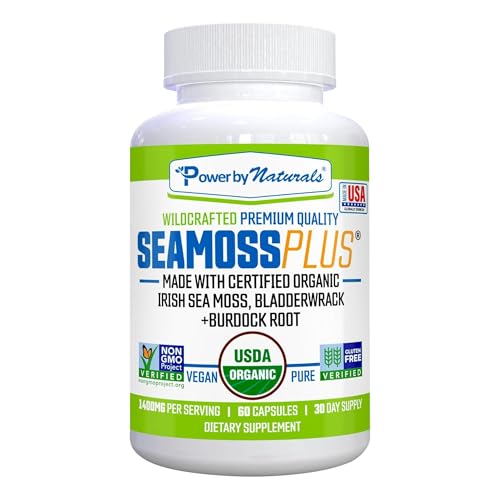
🛒 Where to Buy Sea Moss & Bladderwrack
- CleanseParasites Intra-Cellular Superfood Editor’s Pick
Contains sea moss and bladderwrack alongside black cumin seed and other superfood ingredients. - American Standard Supplements Organic Sea Moss, Bladderwrack & Burdock Root Capsules
capsules, 1200mg sea moss / 1200mg bladderwrack / 225mg burdock root per serving, 120 capsules — High-dose transparent-label blend, vegan, non-GMO, made in USA; clearly stated per-ingredient milligrams rather than a proprietary blend - Secret Element Sea Moss Capsules with Burdock Root, Bladderwrack & Muira Puama
capsules, 120 capsules — Budget-friendly 4-ingredient blend, gluten-free, made in USA - Nutrivein Organic Sea Moss 1600mg with Bladderwrack & Burdock
capsules, 1600mg sea moss per serving plus bladderwrack and burdock — Widely available mid-tier brand, marketed for immune/digestive/thyroid/skin support claims
As an Amazon Associate we earn from qualifying purchases. Quality varies widely — always choose a product with a published third-party test (COA) before buying.
A Note on the Evidence
This article is informational, not medical advice. Bladderwrack’s variable, sometimes high iodine content can affect thyroid function in unpredictable ways, so anyone with a thyroid condition, on thyroid medication, or who is pregnant or breastfeeding should consult a doctor before use, and unregulated products should be checked for third-party heavy metal testing.
Frequently Asked Questions
What is bladderwrack used for?
Bladderwrack is traditionally used as a natural iodine source to support thyroid function, and it’s being studied for its fucoidan content in relation to immune and gut health. Most of its modern supplement marketing (weight loss, detox, hormone balance beyond iodine) is not well supported by human research.
Is bladderwrack the same as sea moss?
No. Bladderwrack is a brown seaweed (Fucus vesiculosus), while sea moss usually refers to Chondrus crispus (Irish moss), a red seaweed. They have different mineral profiles, bladderwrack is notably higher in iodine, and are sometimes blended together in supplement products.

Can bladderwrack affect my thyroid?
Yes. Bladderwrack’s iodine content can influence thyroid hormone production, which is the basis for its traditional use, but excess iodine can also worsen or trigger thyroid dysfunction, especially in people with existing thyroid conditions or on thyroid medication.
Is bladderwrack safe to take every day?
It depends on your thyroid status and the product’s actual iodine content, which varies by source. Anyone with a thyroid condition, on thyroid medication, or who is pregnant or breastfeeding should check with a doctor before regular use rather than assuming a ‘natural’ supplement is automatically safe daily.
Does bladderwrack contain heavy metals?
It can. Because seaweeds absorb minerals and contaminants from the water they grow in, wildcrafted or poorly processed bladderwrack has been found to carry arsenic, lead, or cadmium in some cases. Look for products with third-party heavy metal testing rather than relying on label claims alone.
Is there real research behind bladderwrack's health claims?
The clearest evidence is around its iodine content and thyroid hormone production. Research on fucoidan (its other notable compound) is preliminary and ongoing. Broader claims like fat burning, detoxification, or general ‘wellness’ are not well supported by controlled human studies and should be treated as unproven marketing rather than established fact.
References
- Teas J et al. Variability of iodine content in common commercially available edible seaweeds. Thyroid (2004). PMID 15588380
- Irhimeh MR et al. Pilot clinical study to evaluate the anticoagulant activity of fucoidan. Blood coagulation & fibrinolysis (2009). PMID 19696660
- Leung AM et al. Consequences of excess iodine. Nature reviews. Endocrinology (2014). PMID 24342882
- Eliason BC. Transient hyperthyroidism in a patient taking dietary supplements containing kelp. The Journal of the American Board of Family Practice (1998). PMID 9876004
- Yu Y et al. Survey of arsenic content in edible seaweeds and their health risk assessment. Food and chemical toxicology (2024). PMID 38499235
- Amster E et al. Case report: potential arsenic toxicosis secondary to herbal kelp supplement. Environmental health perspectives (2007). PMID 17450231
These statements have not been evaluated by the Food and Drug Administration. This information is not intended to diagnose, treat, cure, or prevent any disease. Content is for informational purposes only and is not medical advice; consult a qualified healthcare provider before starting any supplement. As an Amazon Associate we earn from qualifying purchases.
