Bladderwrack (Fucus vesiculosus) is a brown seaweed sold as a supplement for thyroid support, weight management, and general mineral intake. Its appeal rests largely on its naturally high iodine content, since iodine is a required building block for thyroid hormone. But that same property is exactly why bladderwrack is not safe for everyone.
Unlike a multivitamin with a standardized, capped iodine dose, bladderwrack’s iodine content varies significantly by harvest location, season, and processing method. For people with an already-sensitive thyroid, on thyroid medication, or pregnant, an unpredictable iodine load is a real risk rather than a theoretical one. This article walks through who should steer clear and why, using the clinical evidence available.
Key Takeaways
- Bladderwrack’s high and variable iodine content is the central reason it’s unsafe for certain groups, not a minor detail.
- People with hypothyroidism, hyperthyroidism, or Graves’ disease should not use bladderwrack without medical guidance.
- Pregnant and breastfeeding individuals face added risk because thyroid hormone needs shift during pregnancy and iodine directly affects fetal development.
- Anyone on thyroid medication should discuss bladderwrack with their prescribing physician before use, since it can throw off carefully calibrated dosing.
- Sourcing quality matters too: unregulated products carry heavy metal contamination risk independent of the thyroid concern.
Why Bladderwrack's Iodine Content Is the Core Issue
The thyroid gland uses iodine to synthesize thyroxine (T4) and triiodothyronine (T3), the hormones that regulate metabolism. In people with normal thyroid function, modest iodine intake is beneficial or neutral. But the thyroid’s response to iodine is not linear: both too little and too much can disrupt hormone production, and an already-compromised or overactive thyroid is far more sensitive to swings in iodine supply than a healthy one.
Because bladderwrack is a whole, unprocessed seaweed rather than a purified iodine dose, its content can range from modest to extremely high depending on the specific batch, and consumers generally have no way to know the actual iodine dose they’re taking from a given product.
People With Hypothyroidism
Hypothyroidism, where the thyroid produces too little hormone, is commonly managed with levothyroxine replacement therapy. Management of hypothyroidism requires attention to consistent, predictable dosing and monitoring of thyroid function, since both underdosing and overdosing carry consequences for metabolic health [1].

Introducing a supplement with variable, unmeasured iodine content into this picture complicates an otherwise stable treatment plan. A sudden iodine load can paradoxically worsen thyroid dysfunction in susceptible individuals, and it can also interfere with the interpretation of routine thyroid function tests, making it harder for a physician to tell whether a dose adjustment is actually needed. People managing hypothyroidism should not add bladderwrack without first discussing it with the physician managing their condition.
People With Hyperthyroidism or Graves' Disease
Graves’ disease, an autoimmune cause of hyperthyroidism, requires careful management, particularly in women of childbearing potential where treatment choices must balance thyroid control against effects on future pregnancy [2]. In hyperthyroid states, the thyroid is often already overproducing hormone or behaving unpredictably in response to iodine availability.
Adding a variable, potentially high dose of iodine from bladderwrack in this context is particularly unwise: excess iodine can aggravate hyperthyroid symptoms or interfere with treatment protocols designed around a specific iodine intake. Anyone diagnosed with Graves’ disease or another form of hyperthyroidism should avoid bladderwrack and other high-iodine seaweed supplements unless specifically cleared by their endocrinologist.

Pregnant and Breastfeeding Individuals
Pregnancy already places extra demand on thyroid function, and thyroid medication dosing frequently needs adjustment during pregnancy to keep pace with these changing needs [3]. This is a period where thyroid hormone balance directly affects fetal neurodevelopment, so precision in iodine and thyroid hormone management matters more than usual.
An unregulated supplement with unknown and variable iodine content is a poor fit for this window. Pregnant and breastfeeding individuals, especially those with any personal or family history of thyroid disease, should avoid bladderwrack supplements and get iodine needs met through the more predictable amounts found in prenatal vitamins and diet, under a physician’s guidance.

People Taking Thyroid Medications
Whether on levothyroxine for hypothyroidism or antithyroid drugs for hyperthyroidism, thyroid medication dosing is calibrated to an individual’s needs through regular blood testing [1] [3]. This calibration assumes a relatively stable iodine intake from diet.
Bladderwrack introduces a wildcard: an unpredictable iodine bolus that can shift thyroid hormone production or thyroid-stimulating hormone (TSH) levels in ways that make the current medication dose too high or too low. Anyone on thyroid medication should treat bladderwrack as something to flag with their prescribing doctor before use, not something to add on their own.
Additional Groups Who Should Be Cautious
Beyond diagnosed thyroid disease and pregnancy, a few other groups warrant extra caution. People with a family history of thyroid disorders but no current diagnosis may have undetected susceptibility to iodine-triggered thyroid dysfunction. People taking iodine-containing medications or supplements from other sources risk cumulative overload when bladderwrack is added on top.
Separately, because sourcing and testing of sea vegetable supplements varies widely, contamination with heavy metals such as arsenic, lead, or cadmium is a documented concern for wildcrafted or poorly tested products, independent of the iodine issue. This is a sourcing and quality-control risk rather than a thyroid-specific one, but it adds another reason for caution across the board, not just for the groups above.
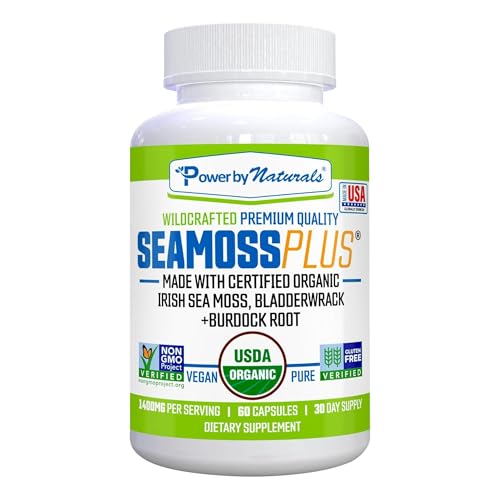
🛒 Where to Buy Sea Moss & Bladderwrack
- CleanseParasites Intra-Cellular Superfood Editor’s Pick
Contains sea moss and bladderwrack alongside black cumin seed and other superfood ingredients. - American Standard Supplements Organic Sea Moss, Bladderwrack & Burdock Root Capsules
capsules, 1200mg sea moss / 1200mg bladderwrack / 225mg burdock root per serving, 120 capsules — High-dose transparent-label blend, vegan, non-GMO, made in USA; clearly stated per-ingredient milligrams rather than a proprietary blend - Secret Element Sea Moss Capsules with Burdock Root, Bladderwrack & Muira Puama
capsules, 120 capsules — Budget-friendly 4-ingredient blend, gluten-free, made in USA - Nutrivein Organic Sea Moss 1600mg with Bladderwrack & Burdock
capsules, 1600mg sea moss per serving plus bladderwrack and burdock — Widely available mid-tier brand, marketed for immune/digestive/thyroid/skin support claims
As an Amazon Associate we earn from qualifying purchases. Quality varies widely — always choose a product with a published third-party test (COA) before buying.
A Note on the Evidence
This article is informational, not medical advice; the clinical evidence cited here addresses general thyroid management principles rather than bladderwrack specifically, so anyone with a thyroid condition, on thyroid medication, or pregnant should consult a physician before using bladderwrack or any iodine-containing seaweed supplement.
Frequently Asked Questions
Can I take bladderwrack if I have hypothyroidism?
Not without talking to your doctor first. Hypothyroidism management depends on consistent, monitored dosing, and bladderwrack’s unpredictable iodine content can complicate that balance [1].
Is bladderwrack safe during pregnancy?
It’s not recommended. Thyroid hormone needs and medication dosing shift during pregnancy, and unregulated iodine intake from bladderwrack adds an unnecessary variable during a period when thyroid balance affects fetal development [3].

What if I have Graves' disease?
Avoid bladderwrack. Managing Graves’ disease, especially in women who may become pregnant, requires careful control of thyroid status, and added iodine can aggravate hyperthyroid symptoms [2].
I'm on levothyroxine. Is bladderwrack okay to add?
Check with your prescribing doctor first. Thyroid medication doses are calibrated through blood testing that assumes stable iodine intake, and bladderwrack’s variable iodine content can throw that calibration off [1].
Why does bladderwrack's iodine content vary so much?
As a whole seaweed rather than a purified supplement, its iodine level depends on harvest location, season, and processing, so two products can differ significantly in dose even at the same serving size.
Are there risks with bladderwrack beyond the thyroid?
Yes. Unregulated or wildcrafted sea vegetable products have been found to carry heavy metal contamination risk (arsenic, lead, cadmium) depending on sourcing and testing practices, which is a separate concern from the iodine issue.
References
- So M et al. Hypothyroidism. Australian family physician (2012). PMID 23145394
- Ashkar C et al. How to manage Graves' disease in women of childbearing potential. Clinical endocrinology (2023). PMID 35192205
- Bach-Huynh TG et al. Thyroid medications during pregnancy. Therapeutic drug monitoring (2006). PMID 16778730
These statements have not been evaluated by the Food and Drug Administration. This information is not intended to diagnose, treat, cure, or prevent any disease. Content is for informational purposes only and is not medical advice; consult a qualified healthcare provider before starting any supplement. As an Amazon Associate we earn from qualifying purchases.
