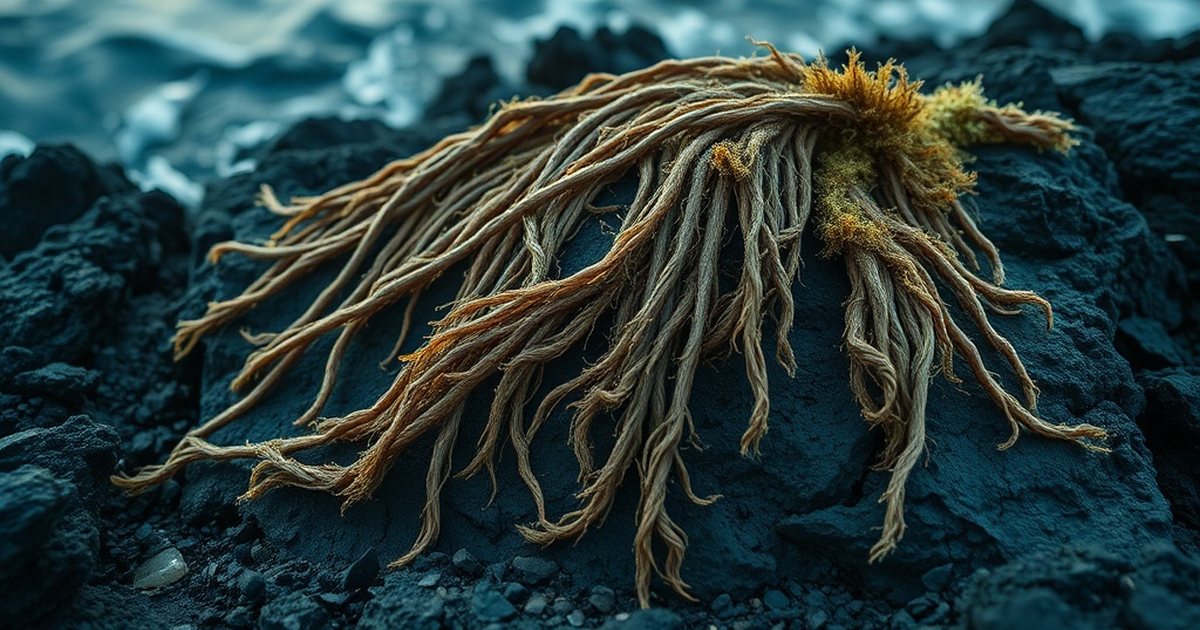
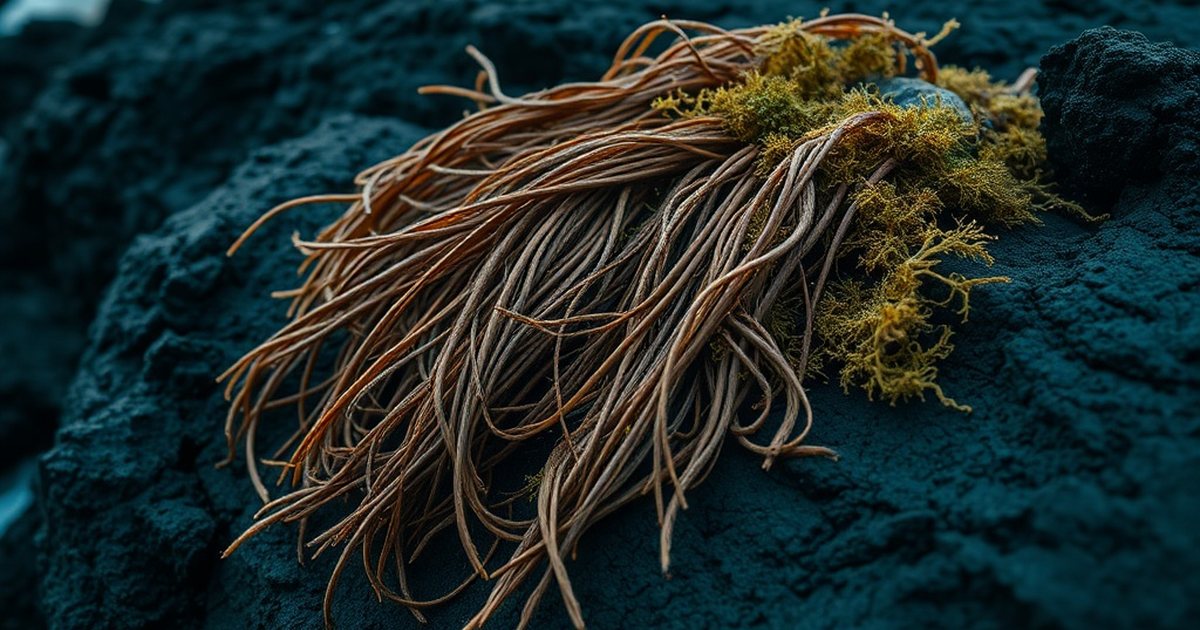
Sea moss (Chondrus crispus) and bladderwrack (Fucus vesiculosus) are mineral-dense seaweeds used traditionally as food and folk remedies. Modern marketing often promotes them for thyroid support, gut health, and broad mineral replenishment, but human clinical evidence for most wellness claims remains limited.
This article examines documented and theoretical drug interactions — particularly with levothyroxine, anticoagulants like warfarin, and lithium — based on the known pharmacology of iodine, vitamin K, and seaweed polysaccharides. It also highlights why product variability and contamination risk make medical supervision essential for anyone on prescription therapy.
Key Takeaways
- Sea moss and bladderwrack deliver highly variable iodine doses that can destabilize levothyroxine replacement and worsen thyroid autoimmunity or lithium-induced hypothyroidism.
- Vitamin K in brown seaweeds like bladderwrack can antagonize warfarin, causing clinically significant INR drops; sea moss may pose similar risk.
- No human trials evaluate sea moss or bladderwrack for drug interactions — all concerns derive from known pharmacology of iodine, vitamin K, and case reports.
- Pregnancy magnifies iodine sensitivity; unstandardized seaweed supplements risk fetal thyroid disruption and should be avoided in favor of calibrated prenatal iodine.
- Third-party testing for iodine content and heavy metals is essential but does not eliminate batch variability or replace medical supervision for patients on thyroid, anticoagulant, or lithium therapy.
Iodine Variability and Levothyroxine Therapy
Bladderwrack and sea moss contain highly variable amounts of naturally occurring iodine. While iodine is essential for thyroid hormone synthesis, excess intake can trigger or worsen thyroid dysfunction — especially in people with autoimmune thyroiditis, nodular goiter, or those taking levothyroxine. A review of Hashimoto thyroiditis notes that dietary iodine, selenium, vitamin D, and gluten all influence autoimmunity, but the precise thresholds for benefit versus harm remain under investigation [1].
Levothyroxine absorption is notoriously sensitive to dietary factors. A clinical report demonstrated that a soy protein supplement significantly increased the levothyroxine dose requirement in a hypothyroid patient, illustrating how food components can interfere with thyroid hormone replacement [2]. Although no direct trial exists for sea moss or bladderwrack, their high iodine and polysaccharide content raises a plausible risk of altered levothyroxine pharmacodynamics or increased dose requirements.
For patients on stable levothyroxine regimens, adding an unstandardized iodine source like seaweed can destabilize TSH control. The American Thyroid Association advises against kelp or seaweed supplements for this reason. Anyone considering these products should discuss timing, dosing, and thyroid monitoring with their prescribing clinician.

Vitamin K Content and Warfarin Interaction
Seaweeds, including bladderwrack and related brown algae, contain vitamin K (phylloquinone and menaquinones), which antagonizes warfarin’s anticoagulant effect. A case report documented a patient on stable warfarin therapy whose INR dropped subtherapeutically after consuming a seaweed salad, with resolution upon discontinuation [3].
The vitamin K content in sea moss and bladderwrack supplements is not standardized and can vary by species, harvest season, and processing. For patients on warfarin or other vitamin K antagonists, even modest daily intake of these products can cause clinically significant INR fluctuations. Consistent dietary vitamin K intake is the standard recommendation; adding an unmeasured seaweed supplement undermines that stability.
Clinicians should ask specifically about seaweed, sea moss, and bladderwrack use during anticoagulation management. Patients should not start or stop these products without INR monitoring and dose adjustment guidance.
Lithium and Thyroid Risk Amplification
Lithium therapy is a well-established cause of hypothyroidism and goiter, partly due to inhibition of thyroid hormone release and iodine organification. Concurrent high iodine intake from bladderwrack or sea moss may exacerbate lithium-induced thyroid dysfunction. While no prospective trial examines this specific combination, the mechanistic overlap warrants caution.

Patients on lithium should have baseline and periodic thyroid function tests. Adding an unregulated iodine source introduces an uncontrolled variable that can confound interpretation of TSH and free T4 trends. Any seaweed use in this population should be disclosed to the managing psychiatrist and primary care provider.
Autoimmune Thyroiditis: Iodine as a Double-Edged Sword
In Hashimoto thyroiditis, iodine status influences disease activity. Both deficiency and excess can promote autoimmunity. A 2024 update on autoimmune thyroiditis treatment notes that iodine restriction may benefit some patients, while others require careful repletion — but the evidence base for personalized thresholds is still evolving [4].
A 2017 review emphasized that iodine, selenium, vitamin D, and gluten all modulate Hashimoto’s autoimmunity, yet points needing more investigation remain [1]. Sea moss and bladderwrack deliver iodine in an unquantified matrix, making it impossible to titrate intake to a therapeutic window. For diagnosed Hashimoto’s patients, these supplements represent an uncontrolled iodine bolus that could flare thyroid antibodies or accelerate glandular damage.
Emerging research on the microbiota-thyroid axis suggests gut-derived signals influence thyroid immunity and hormone conversion [5]. Seaweed polysaccharides like fucoidan and carrageenan-family compounds may act as prebiotics, but human data linking sea moss or bladderwrack consumption to clinically meaningful microbiota shifts in thyroid disease are absent.
Pregnancy, Postpartum, and Iodine Sensitivity
Iodine requirements increase substantially during pregnancy and lactation to support fetal neurodevelopment and maternal thyroid economy. A review details the dynamic changes in iodine kinetics and thyroid hormone production across gestation and postpartum [6]. However, the same review underscores that excess iodine during pregnancy can induce fetal goiter and hypothyroidism.
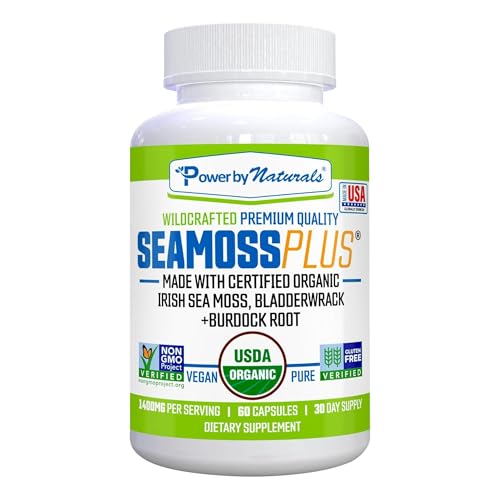
Sea moss and bladderwrack products are not standardized for iodine content. A single serving could deliver many times the recommended daily allowance (220–290 µg/day in pregnancy). For pregnant or breastfeeding individuals — especially those on levothyroxine for hypothyroidism — the risk of iatrogenic iodine excess from these supplements outweighs any theoretical benefit. Prenatal vitamins with calibrated potassium iodide remain the evidence-based standard.
Contamination, Standardization, and Sourcing Gaps
No pharmacopeial monograph exists for sea moss or bladderwrack as dietary ingredients. Independent analyses have detected arsenic, lead, cadmium, and mercury in wildcrafted seaweed products, with levels dependent on harvest waters and post-harvest processing. The FDA does not evaluate these supplements for safety or efficacy before marketing.
A randomized trial of iodine supplementation in iodine-deficient overweight women used a standardized potassium iodide preparation — not seaweed — and found reduced hypercholesterolemia [7]. This highlights the difference between a characterized pharmaceutical intervention and an unstandardized botanical. Consumers should seek brands that provide third-party certificates of analysis for iodine content and heavy metals, but even then, batch-to-batch variability persists.
Until regulatory frameworks require standardization, the clinical unpredictability of these products remains a fundamental barrier to safe use alongside prescription medications.
🛒 Where to Buy Sea Moss & Bladderwrack

- CleanseParasites Intra-Cellular Superfood Editor’s Pick
Contains sea moss and bladderwrack alongside black cumin seed and other superfood ingredients. - American Standard Supplements Organic Sea Moss, Bladderwrack & Burdock Root Capsules
capsules, 1200mg sea moss / 1200mg bladderwrack / 225mg burdock root per serving, 120 capsules — High-dose transparent-label blend, vegan, non-GMO, made in USA; clearly stated per-ingredient milligrams rather than a proprietary blend - Secret Element Sea Moss Capsules with Burdock Root, Bladderwrack & Muira Puama
capsules, 120 capsules — Budget-friendly 4-ingredient blend, gluten-free, made in USA - Nutrivein Organic Sea Moss 1600mg with Bladderwrack & Burdock
capsules, 1600mg sea moss per serving plus bladderwrack and burdock — Widely available mid-tier brand, marketed for immune/digestive/thyroid/skin support claims
As an Amazon Associate we earn from qualifying purchases. Quality varies widely — always choose a product with a published third-party test (COA) before buying.
A Note on the Evidence
This article summarizes pharmacological mechanisms and limited clinical evidence; it does not constitute medical advice. Sea moss and bladderwrack supplements are not FDA-evaluated for safety, efficacy, or standardization. Patients on levothyroxine, warfarin, lithium, or with thyroid disease, pregnancy, or heavy metal exposure risk should consult a qualified healthcare professional before use.
Frequently Asked Questions
Can I take sea moss while on levothyroxine?
Sea moss provides uncontrolled iodine that may alter thyroid hormone requirements or interfere with levothyroxine absorption. A soy protein supplement was shown to increase levothyroxine dose needs [2]; seaweed poses similar theoretical risk. Consult your prescriber before combining.
Does bladderwrack affect warfarin (Coumadin) levels?
Yes. Brown seaweeds contain vitamin K, which opposes warfarin. A case report documented subtherapeutic INR after seaweed salad consumption [3]. Do not start or stop bladderwrack without INR monitoring and clinician guidance.

Is sea moss safe with lithium medication?
Lithium commonly causes hypothyroidism; excess iodine from sea moss or bladderwrack may worsen this effect. No direct studies exist, but mechanistic overlap warrants disclosure to your psychiatrist and thyroid monitoring.
Can sea moss help Hashimoto's thyroiditis?
Evidence is insufficient. Iodine can flare autoimmunity in Hashimoto’s; a review notes iodine, selenium, vitamin D, and gluten all influence disease but thresholds need more investigation [1]. Unmeasured iodine from seaweed is not a recommended strategy.
Is sea moss safe during pregnancy?
Pregnancy increases iodine needs but also sensitivity to excess. A review details iodine kinetics in pregnancy and warns that excess can cause fetal goiter [6]. Use a prenatal vitamin with standardized iodine instead of unregulated seaweed.
How do I choose a safe sea moss or bladderwrack product?
Look for third-party certificates of analysis showing iodine content per serving and heavy metal screening (arsenic, lead, cadmium, mercury). Remember that batch variability persists, and no supplement replaces prescription therapy or medical monitoring.
References
- Liontiris MI et al. A concise review of Hashimoto thyroiditis (HT) and the importance of iodine, selenium, vitamin D and gluten on the autoimmunity and dietary management of HT patients.Points that need more investigation. Hellenic journal of nuclear medicine (2017). PMID 28315909
- Bell DS et al. Use of soy protein supplement and resultant need for increased dose of levothyroxine. Endocrine practice : official journal of the American College of Endocrinology and the American Association of Clinical Endocrinologists (2001). PMID 11421567
- Bartle WR et al. Seaweed, vitamin K, and warfarin. American journal of health-system pharmacy : AJHP : official journal of the American Society of Health-System Pharmacists (2001). PMID 11763808
- Dyrka K et al. Autoimmune thyroiditis: an update on treatment possibilities. Endokrynologia Polska (2024). PMID 39475129
- Fröhlich E et al. Microbiota and Thyroid Interaction in Health and Disease. Trends in endocrinology and metabolism: TEM (2019). PMID 31257166
- Pérez-López FR et al. Iodine and thyroid hormones during pregnancy and postpartum. Gynecological endocrinology : the official journal of the International Society of Gynecological Endocrinology (2007). PMID 17701774
- Herter-Aeberli I et al. Iodine Supplementation Decreases Hypercholesterolemia in Iodine-Deficient, Overweight Women: A Randomized Controlled Trial. The Journal of nutrition (2015). PMID 26203098
These statements have not been evaluated by the Food and Drug Administration. This information is not intended to diagnose, treat, cure, or prevent any disease. Content is for informational purposes only and is not medical advice; consult a qualified healthcare provider before starting any supplement. As an Amazon Associate we earn from qualifying purchases.

Pingback: Sea Moss Forms Compared: Bioavailability and Cost