If you’ve spent any time on TikTok, you’ve probably seen sea moss gel promoted as a near-magic weight-loss aid, credited with melting fat, curbing appetite, and detoxifying the body in a matter of weeks. Sea moss (Chondrus crispus, also called Irish moss) is a red seaweed that’s genuinely nutrient-dense, offering iodine, trace minerals, and fiber-like polysaccharides. But the specific claim that sea moss itself drives meaningful weight loss is not something current human research supports.
This article separates what’s actually been studied, mostly in brown seaweeds and algae-derived compounds rather than sea moss specifically, from what’s just social media momentum. We’ll walk through the proposed mechanisms, the real evidence behind them, and where the gap between TikTok and the research literature actually sits.
Key Takeaways
- Most credible weight-related seaweed research is on fucoxanthin and brown seaweed/microalgae extracts, not on Chondrus crispus sea moss itself [1][2].
- The strongest human trial data (Xanthigen) tested a specific proprietary supplement in a specific patient population, not sea moss gel [3].
- Brown seaweed has shown measurable effects on post-meal blood sugar, insulin, and appetite in a controlled study, a narrower finding than a general weight-loss claim [4].
- Emerging gut-microbiome research on algae compounds is promising but early, and pooled seaweed-trial data shows some effect on metabolic markers [5][6].
- No cited evidence shows sea moss gel itself, as sold and consumed on TikTok, causes meaningful weight loss on its own.
What TikTok Actually Claims About Sea Moss and Weight Loss
The typical TikTok pitch goes something like this: sea moss gel, taken daily, suppresses appetite, boosts metabolism, flushes toxins, and helps you drop pounds fast, often paired with before-and-after transformation videos. These claims are rarely sourced, and the mechanism offered (usually vague references to ‘minerals’ or ‘detox’) doesn’t match how weight regulation actually works physiologically.
It’s worth noting that most viral sea moss content doesn’t distinguish between sea moss itself and other seaweeds or algae, like fucoxanthin-rich brown seaweed extracts, that have been studied in a very different, much more rigorous context. That distinction matters a lot when evaluating what’s actually proven.

The Real Mechanism: Fucoxanthin and Lipid Metabolism
The most credible science-backed weight-related compound in the seaweed world isn’t sea moss, it’s fucoxanthin, a carotenoid pigment found in brown seaweeds like wakame and bladderwrack (and in some algae extracts), not in the red seaweed sea moss is made from. Fucoxanthin has been studied for its effects on lipid metabolism, including some evidence it may influence fat oxidation and adipose tissue activity in preclinical and early human research [1].
A broader review of fucoxanthin’s health-promoting functions outlines its proposed roles in metabolic regulation, though the authors are clear that much of this evidence is early-stage and needs more robust confirmation in humans [2].
This is the key nuance TikTok skips: fucoxanthin research is about specific brown-seaweed-derived compounds, often concentrated extracts, not the red seaweed gel sold as ‘sea moss.’ Sea moss (Chondrus crispus) is not a significant fucoxanthin source.
Xanthigen and Weight Management: What a Real Trial Found
One of the more direct human studies in this space looked at Xanthigen, a combination supplement containing fucoxanthin and pomegranate seed oil, in obese premenopausal women with non-alcoholic fatty liver disease. The trial found improvements in liver fat and some weight-related markers compared to placebo [3].


This is a genuinely useful data point, but it’s a specific proprietary combination product tested in a specific population (women with existing fatty liver disease), not a green light for sea moss gel as a general weight-loss tool. Extrapolating this result to ‘seaweed helps you lose weight’ overstates what was actually shown.
Blood Sugar, Appetite, and Brown Seaweed
Beyond fat metabolism, there’s research on how brown seaweed consumption affects the body’s response to a meal. A randomized, blinded, cross-over study found that brown seaweed intake influenced postprandial glucose, insulin, and appetite responses after a meal [4], which is relevant because blood sugar stability and satiety both play a role in weight management over time.
Again, this research is on brown seaweed broadly, not sea moss specifically, and a single meal study measuring short-term appetite and glucose response is a much narrower claim than ‘this seaweed makes you lose weight.’
The Gut Microbiome Angle
A newer area of interest is how marine-algae-derived compounds (postbiotics) might influence the gut microbiota-adipose tissue axis, a proposed pathway connecting gut bacteria composition to fat storage and metabolic health. A 2025 review discusses this as an emerging frontier in obesity research [5], and a systematic review and meta-analysis of randomized controlled trials on dietary seaweed and obesity-related metabolic status also points to some measurable effects across pooled seaweed trials [6].
These are legitimate, still-developing lines of research. They support the idea that seaweed and algae compounds are worth studying for metabolic health, they do not establish that sea moss gel, as consumed in the form sold online, produces reliable weight loss in humans.
Microalgae Extracts: A Closer (But Still Distinct) Comparison
Some of the more rigorous recent human trials involve microalgae extracts rather than sea moss. One study tested supplementation with an extract from Phaeodactylum tricornutum (marketed as Mi136) alongside a weight management program in overweight women, and found it may support outcomes from the broader intervention [7].
This illustrates the pattern across this entire evidence base: the compounds with actual trial data are specific, often concentrated or extracted, algae- or brown-seaweed-derived ingredients, tested as an adjunct to diet and lifestyle changes, not sea moss gel taken on its own as a standalone weight-loss product.
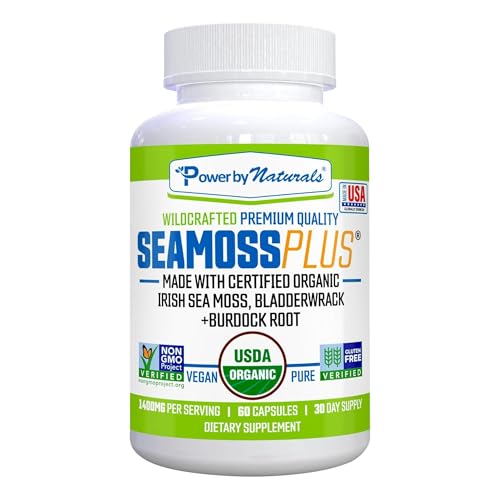
🛒 Where to Buy Sea Moss & Bladderwrack
- CleanseParasites Intra-Cellular Superfood Editor’s Pick
Contains sea moss and bladderwrack alongside black cumin seed and other superfood ingredients. - American Standard Supplements Organic Sea Moss, Bladderwrack & Burdock Root Capsules
capsules, 1200mg sea moss / 1200mg bladderwrack / 225mg burdock root per serving, 120 capsules — High-dose transparent-label blend, vegan, non-GMO, made in USA; clearly stated per-ingredient milligrams rather than a proprietary blend - Secret Element Sea Moss Capsules with Burdock Root, Bladderwrack & Muira Puama
capsules, 120 capsules — Budget-friendly 4-ingredient blend, gluten-free, made in USA - Nutrivein Organic Sea Moss 1600mg with Bladderwrack & Burdock
capsules, 1600mg sea moss per serving plus bladderwrack and burdock — Widely available mid-tier brand, marketed for immune/digestive/thyroid/skin support claims
As an Amazon Associate we earn from qualifying purchases. Quality varies widely — always choose a product with a published third-party test (COA) before buying.

A Note on the Evidence
This article is informational, not medical advice, and most of the cited research involves brown seaweed, fucoxanthin, or specific algae extracts rather than sea moss itself, so results shouldn’t be assumed to transfer directly. Because iodine content in sea moss and especially bladderwrack varies widely and can affect thyroid function, and unregulated products carry heavy metal contamination risk, anyone with thyroid issues, who is pregnant, or on thyroid medication should consult a doctor before use. The FDA has not evaluated these products for treating, curing, or preventing any disease.
Frequently Asked Questions
Does sea moss burn fat directly?
There’s no direct human evidence that sea moss (Chondrus crispus) burns fat. The compound most associated with fat metabolism research, fucoxanthin, comes from brown seaweeds and microalgae, not the red seaweed sea moss is made from [1].
Is the TikTok weight-loss claim about sea moss backed by science?
Not directly. The available research on seaweed and weight involves brown seaweed, fucoxanthin, and specific algae extracts, tested in controlled trials, not the sea moss gel products marketed on social media [6].
Can sea moss help with appetite control?
Brown seaweed has been shown to affect appetite and glucose response after a meal in a controlled cross-over study, but this specific research wasn’t done on sea moss and represents a short-term physiological measurement, not a proven weight-loss outcome [4].

What is fucoxanthin and does sea moss contain it?
Fucoxanthin is a carotenoid found in brown seaweeds like wakame and bladderwrack, studied for potential effects on lipid metabolism [2]. Sea moss is a red seaweed and is not a meaningful source of fucoxanthin.
Are there any real risks to taking sea moss for weight loss?
Yes. Sea moss (and especially bladderwrack) can contain variable, sometimes high amounts of iodine, which can trigger or worsen thyroid dysfunction, particularly in people with existing thyroid conditions, pregnant people, or those on levothyroxine. Unregulated wildcrafted sea moss has also been found to carry heavy metal contamination risk depending on sourcing.
Should I take a microalgae or fucoxanthin supplement instead of sea moss for weight loss?
Trials on specific extracts gave mixed results: the Mi136 microalgae extract added no extra weight or fat loss during a diet and exercise program, though some other health markers improved, while a randomized trial of Xanthigen (brown seaweed fucoxanthin plus pomegranate seed oil) in obese premenopausal women reported weight loss [7][3], but these are distinct, tested products, not a green light to self-treat with any seaweed supplement. Talk to a doctor before starting any weight-management supplement, especially one affecting thyroid function.
References
- Muradian Kh et al. Fucoxanthin and lipid metabolism: A minireview. Nutrition, metabolism, and cardiovascular diseases : NMCD (2015). PMID 26141943
- Hosokawa M et al. Health-Promoting Functions of the Marine Carotenoid Fucoxanthin. Advances in experimental medicine and biology (2021). PMID 33783750
- Abidov M et al. The effects of Xanthigen in the weight management of obese premenopausal women with non-alcoholic fatty liver disease and normal liver fat. Diabetes, obesity & metabolism (2010). PMID 19840063
- Zaharudin N et al. Effects of brown seaweeds on postprandial glucose, insulin and appetite in humans – A randomized, 3-way, blinded, cross-over meal study. Clinical nutrition (Edinburgh, Scotland) (2021). PMID 32917417
- Limijadi EKS et al. Marine-Algal-Derived Postbiotics Modulating the Gut Microbiota-Adipose Tissue Axis in Obesity: A New Frontier. Nutrients (2025). PMID 41374064
- Łagowska K et al. Effects of dietary seaweed on obesity-related metabolic status: a systematic review and meta-analysis of randomized controlled trials. Nutrition reviews (2025). PMID 38749056
- Dickerson B et al. Effects of Supplementation with Microalgae Extract from Phaeodactylum tricornutum (Mi136) to Support Benefits from a Weight Management Intervention in Overweight Women. Nutrients (2024). PMID 38613023
These statements have not been evaluated by the Food and Drug Administration. This information is not intended to diagnose, treat, cure, or prevent any disease. Content is for informational purposes only and is not medical advice; consult a qualified healthcare provider before starting any supplement. As an Amazon Associate we earn from qualifying purchases.
